01 / The wedding journey
Your First Conversation
Discover this stage
Interfaith Marriages / Nikah Ceremonies
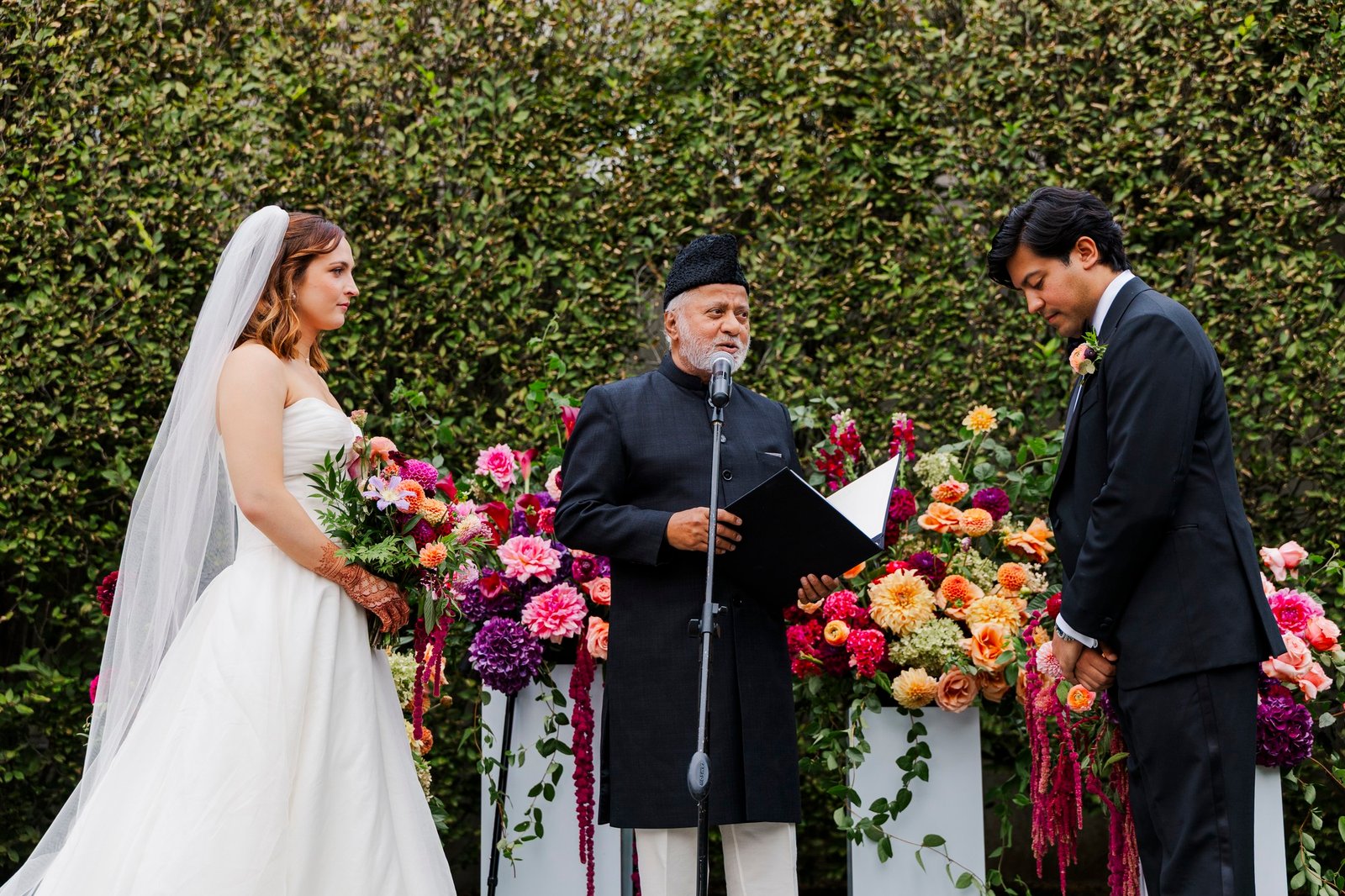
Your wedding ceremony should reflect YOUR commitment. I take the time to understand your relationship, the traditions you value, and any concerns you or your families bring to the planning. Together, we prepare a customized ceremony that fully resonates with both of you and possibly your family members. You will get to review and make revisions and approve.
You will know what will be said, how your chosen traditions will be included, and what to expect on the day. The process begins with a conversation about the marriage you want to build.
The care behind your ceremony
From our first conversation to support beyond the wedding day, discover what each stage involves.
Select a card to discover more ↗
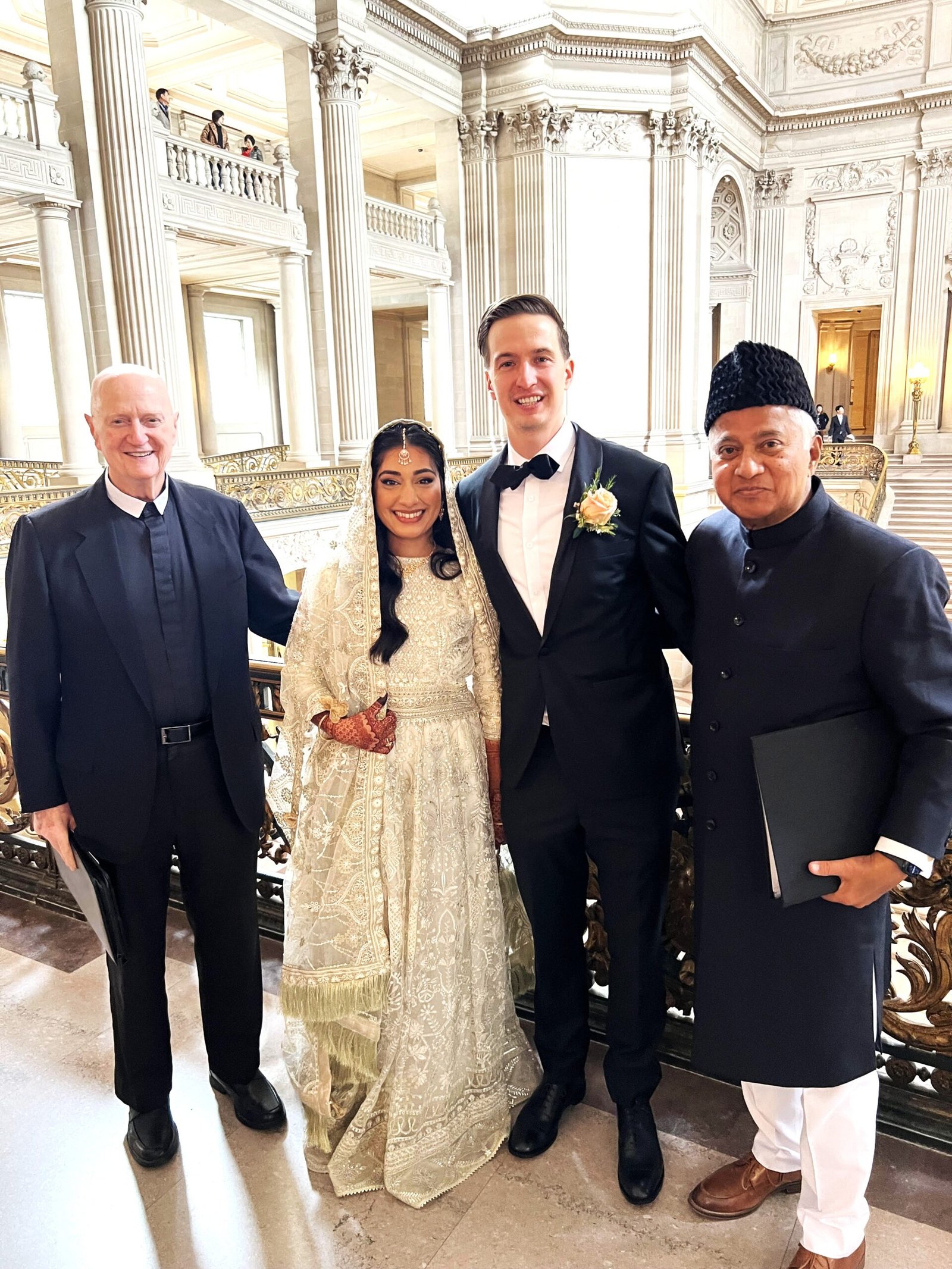
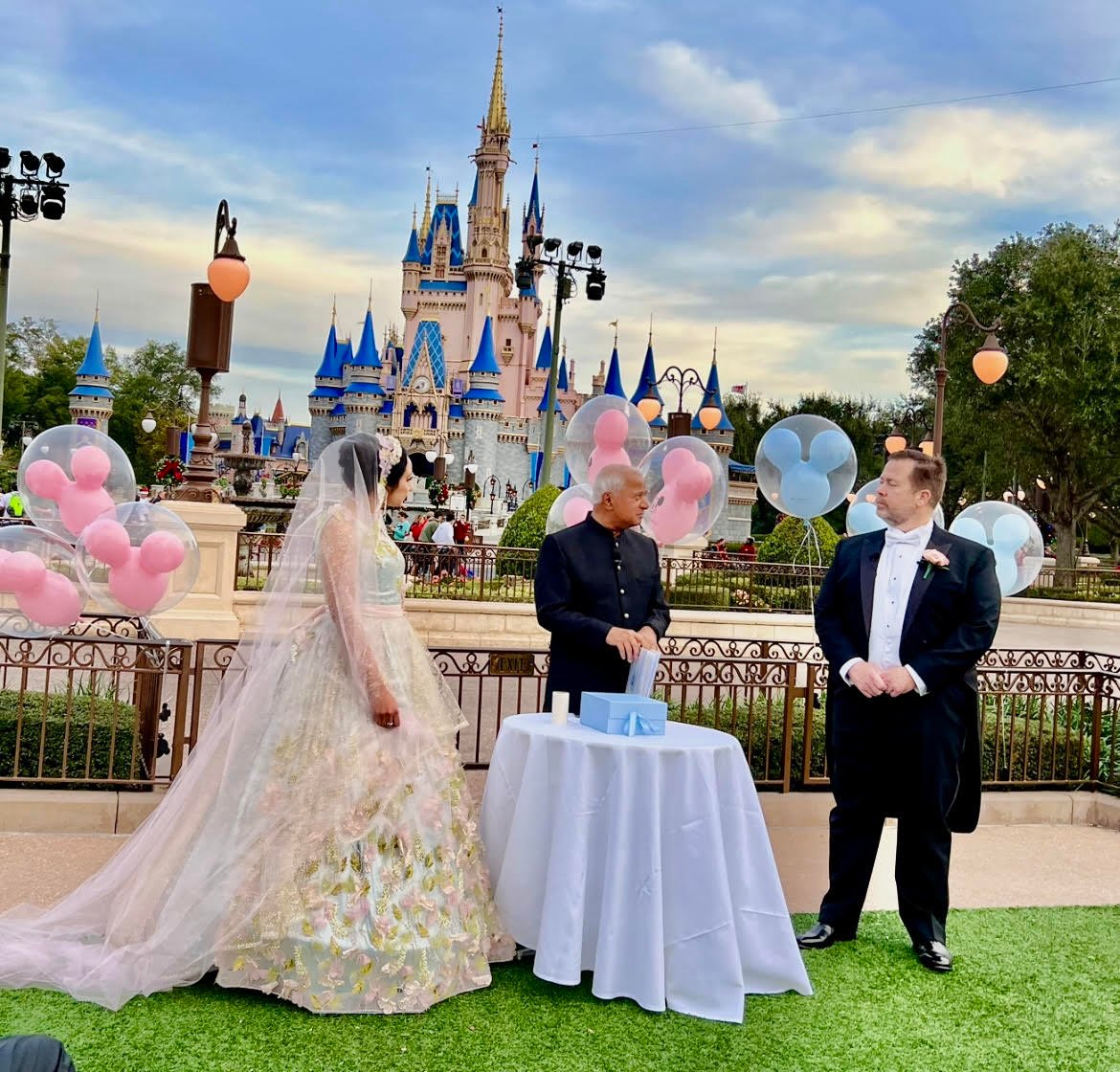

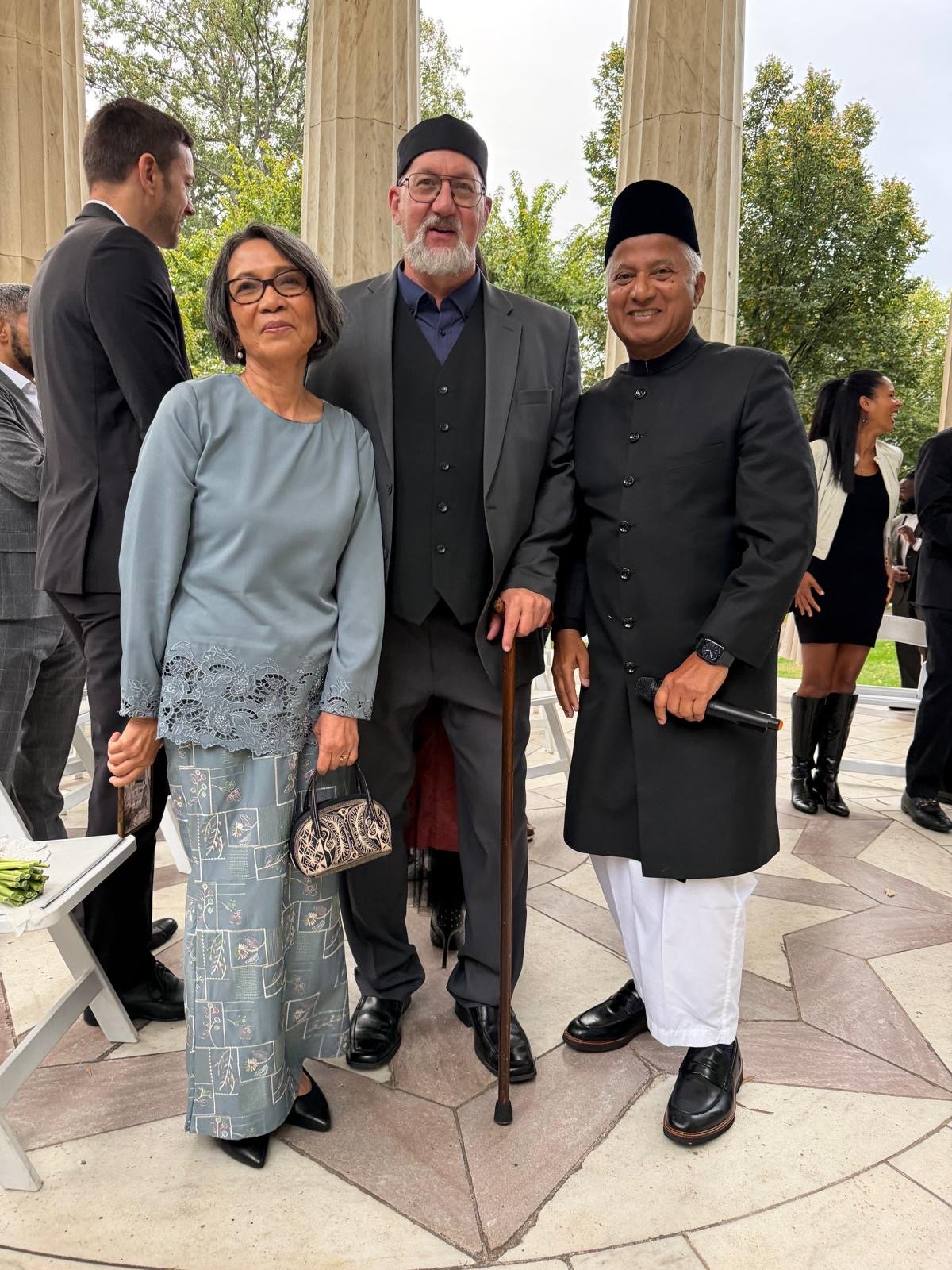


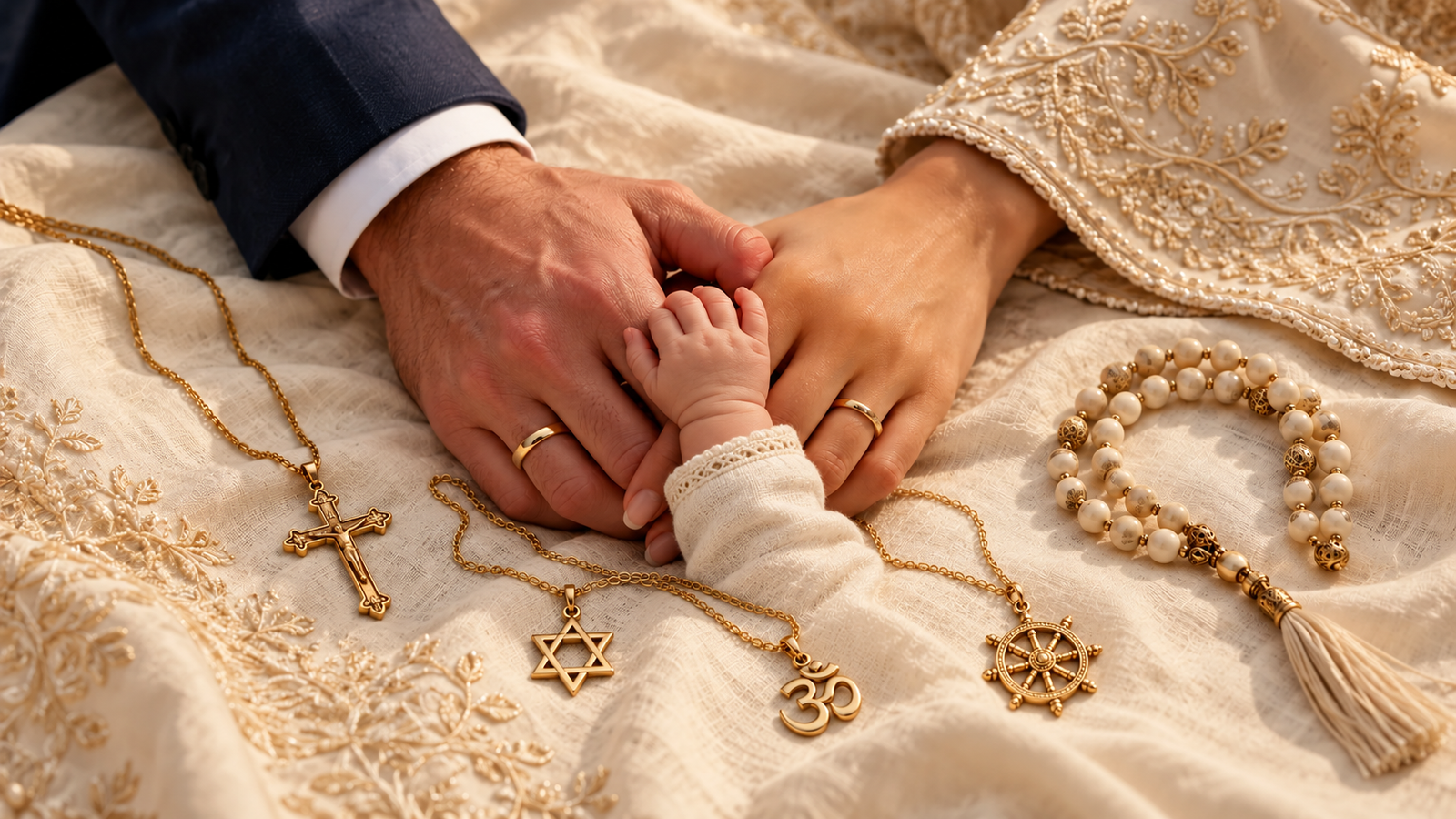
Your story. Your traditions. Your ceremony.
Traditions with meaning
Your day. Your vows. Your way.
The program is shaped around the choices we agree on together. It can include greetings that welcome people of different faiths, appreciation of the couple, traditions from one or both families, acceptance of each other as spouses, an exchange of rings, and the marriage pronouncement.
Depending on the format, it may also include signatures, a personalized sermon, selected prayers, or additional rituals you request. We discuss these elements during planning and include the agreed wording and sequence in your script.
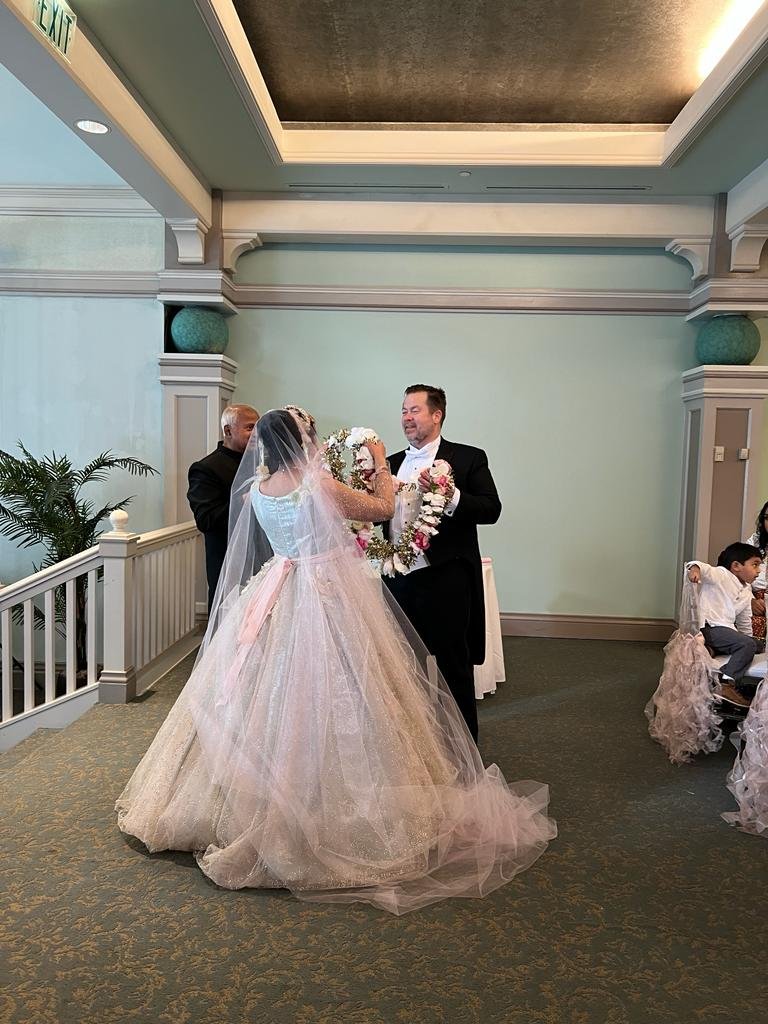
Ring exchanges, garlands, and other symbolic gestures can be included when they carry meaning for you as a couple.
A visual moment of joining, blessing, and family participation that can bring shared meaning to a gathering of different traditions.
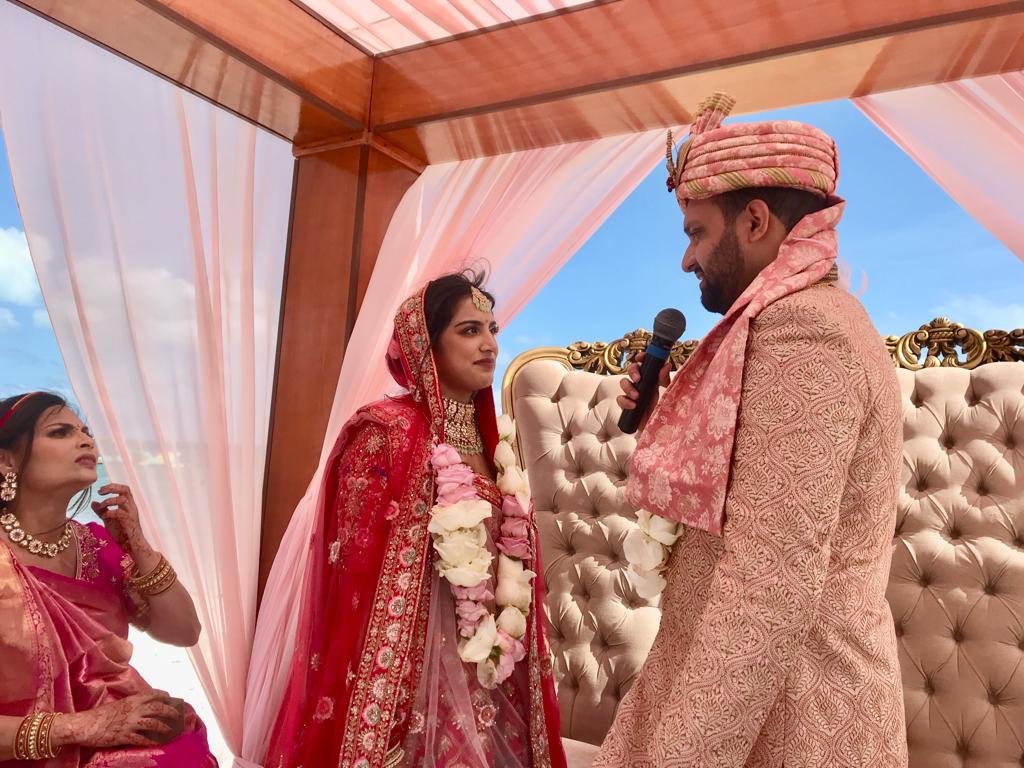
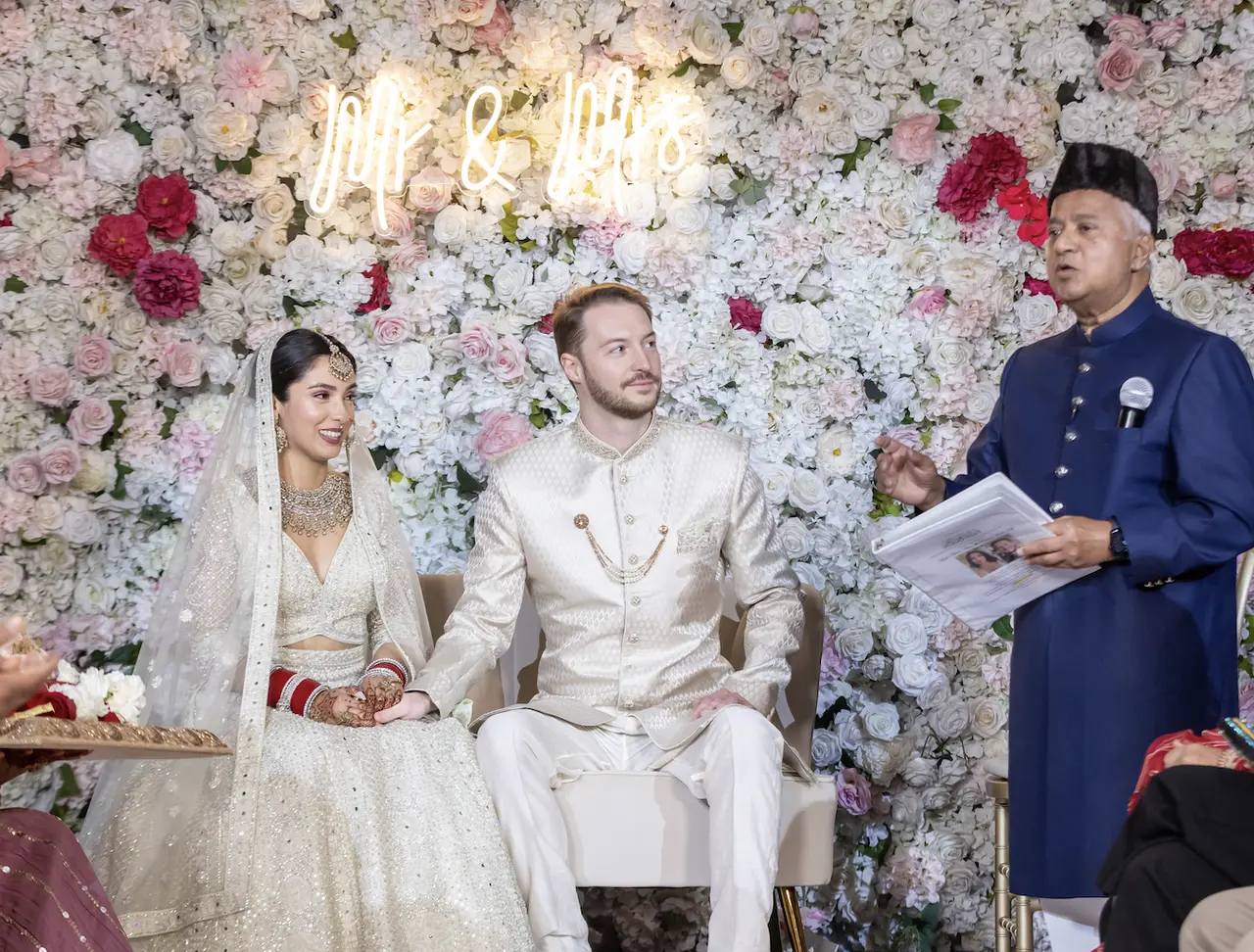
Personal vows, “I do,” “Qabool hai,” or another form of acceptance can reflect your chosen language and what feels comfortable to both of you.
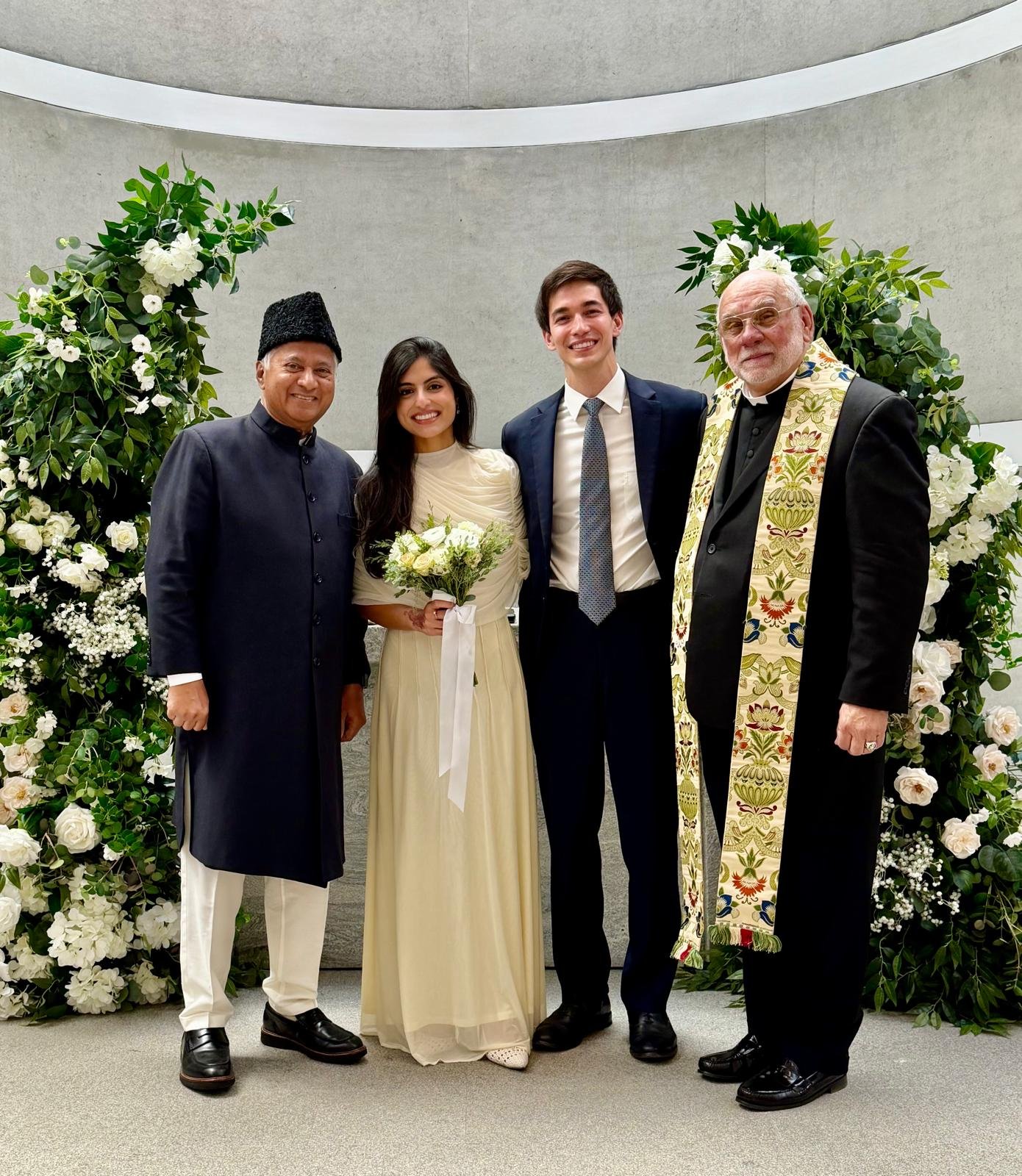
I can work alongside clergy from another tradition, including priests, rabbis, pandits, imams, and other faith leaders.
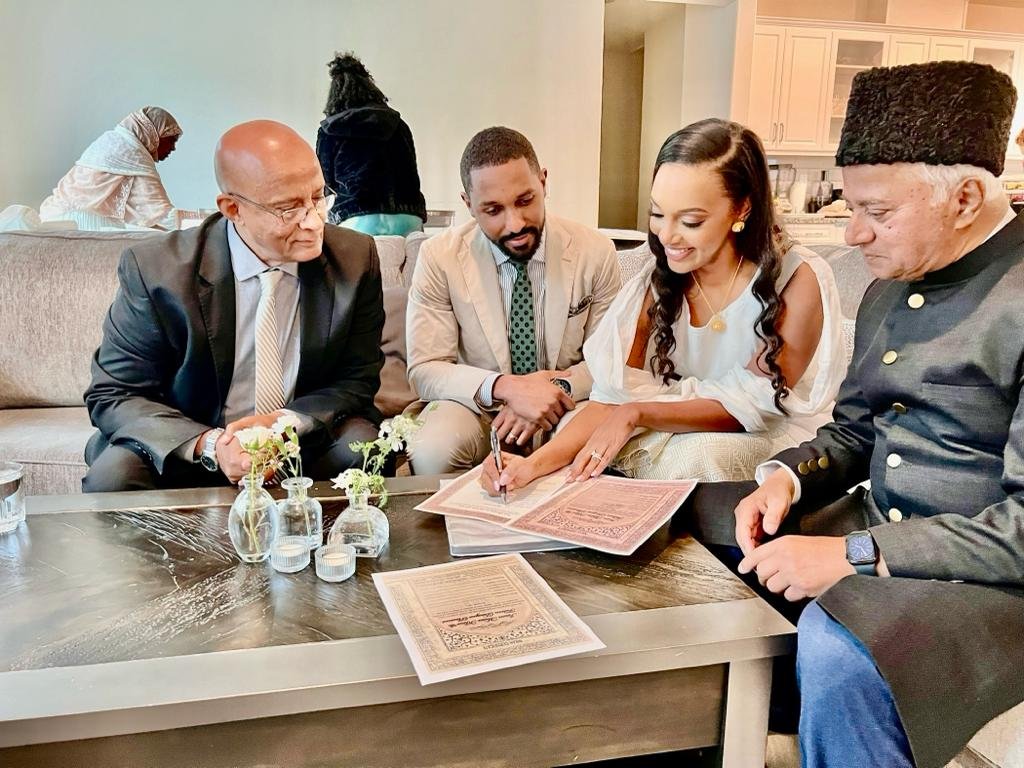
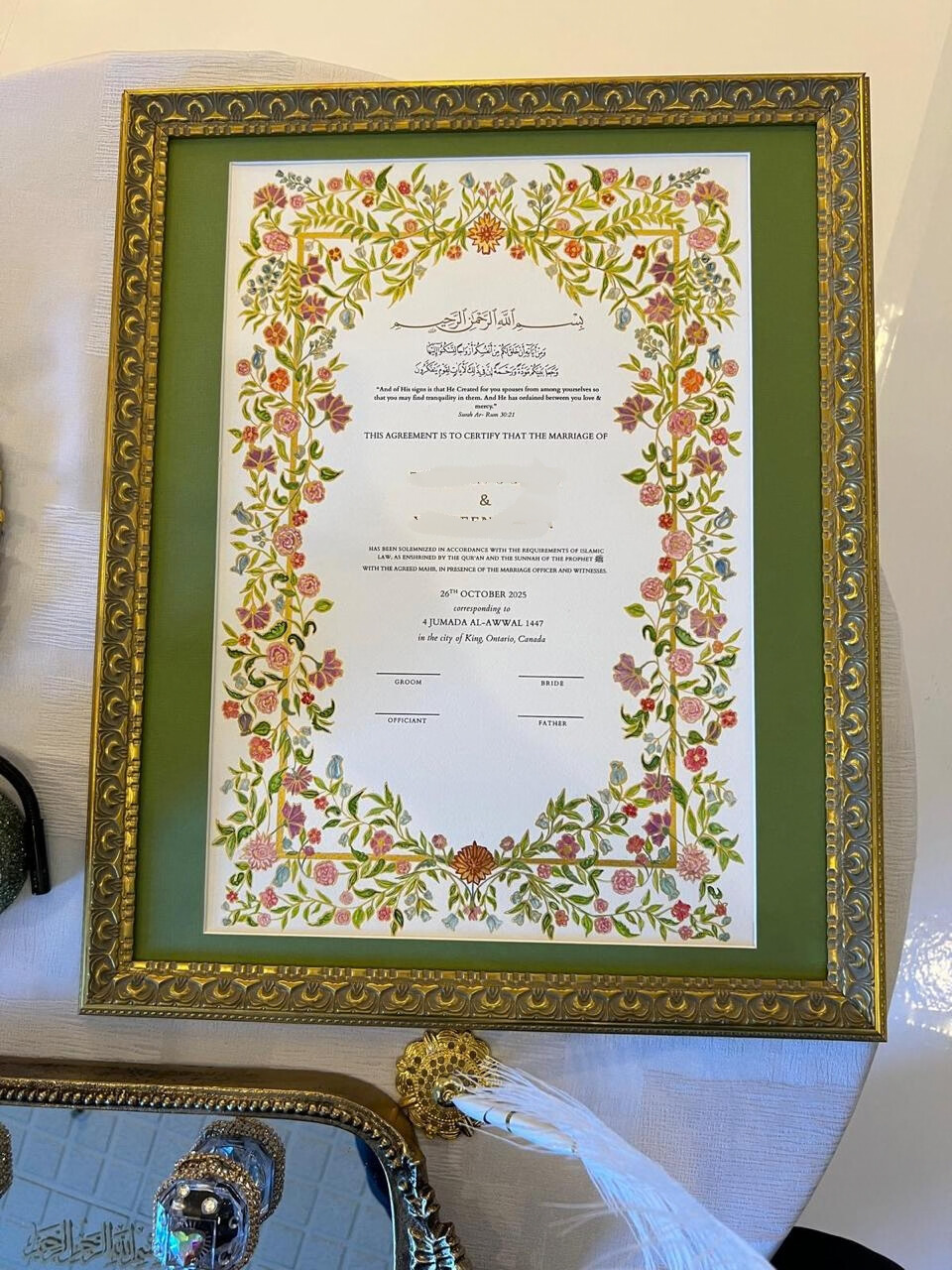
The signing of marriage documents can be included in the ceremony, with the arrangements and witnesses discussed in advance.
From homes and gardens to destination venues, your ceremony can take place somewhere that holds meaning for you.
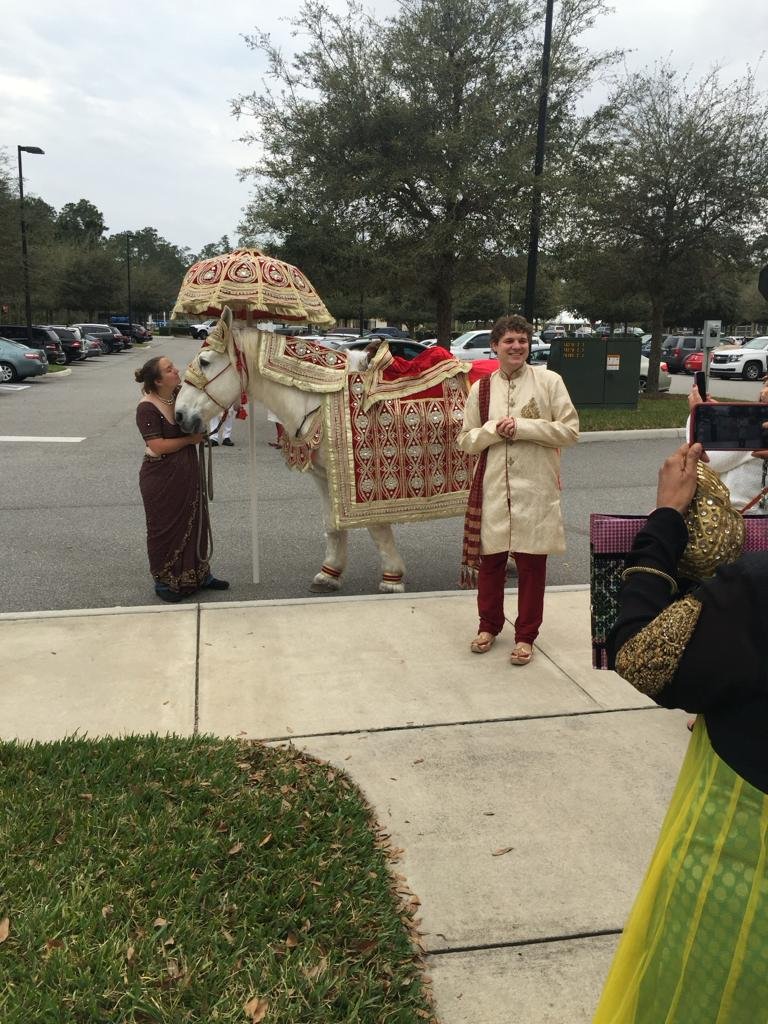
Entrances, blessings, readings, and family gestures can be woven into your ceremony with care and a thoughtfully planned sequence.
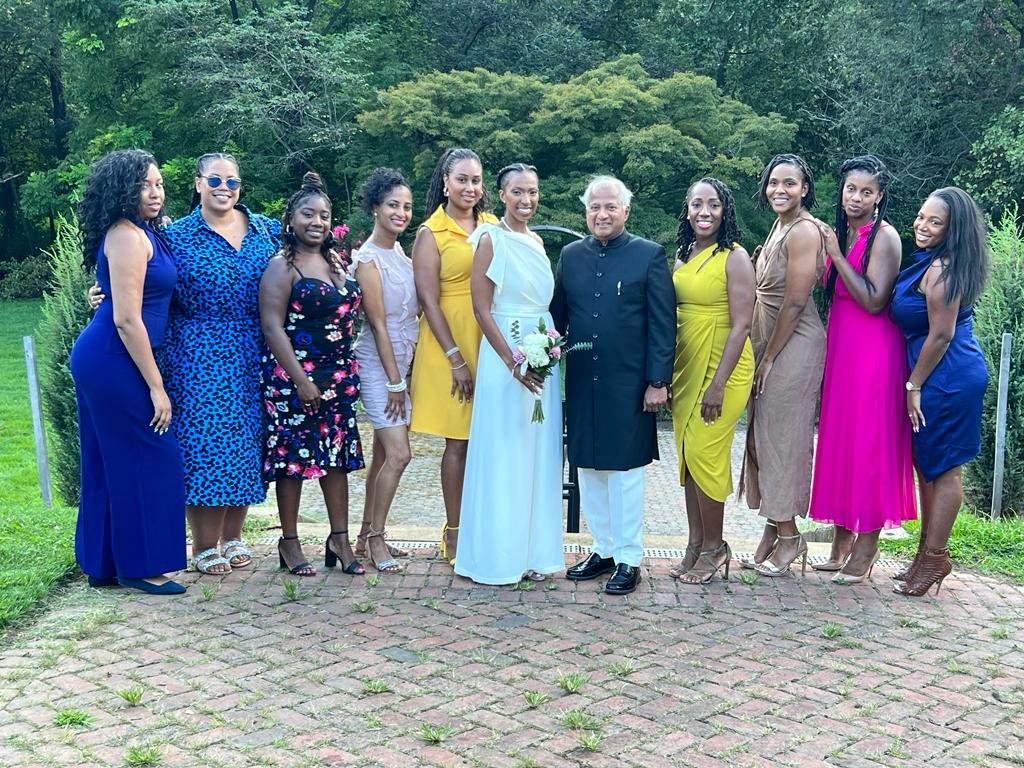
Welcoming words, translations, and explanations help your guests understand and participate in the moment they are witnessing.
You do not need to have every detail settled before contacting me. Tell me about your relationship, the ceremony you are considering, and the questions you would like to discuss. We can work through the next steps together.
Ceremony Options
Your traditions. Your celebration.
We will discuss the ceremony that best reflects your relationship, beliefs, and the traditions you want to honor. Some options describe the ceremony itself; others describe where it takes place or how it is conducted. These choices can be combined to create a celebration that feels right for both of you.
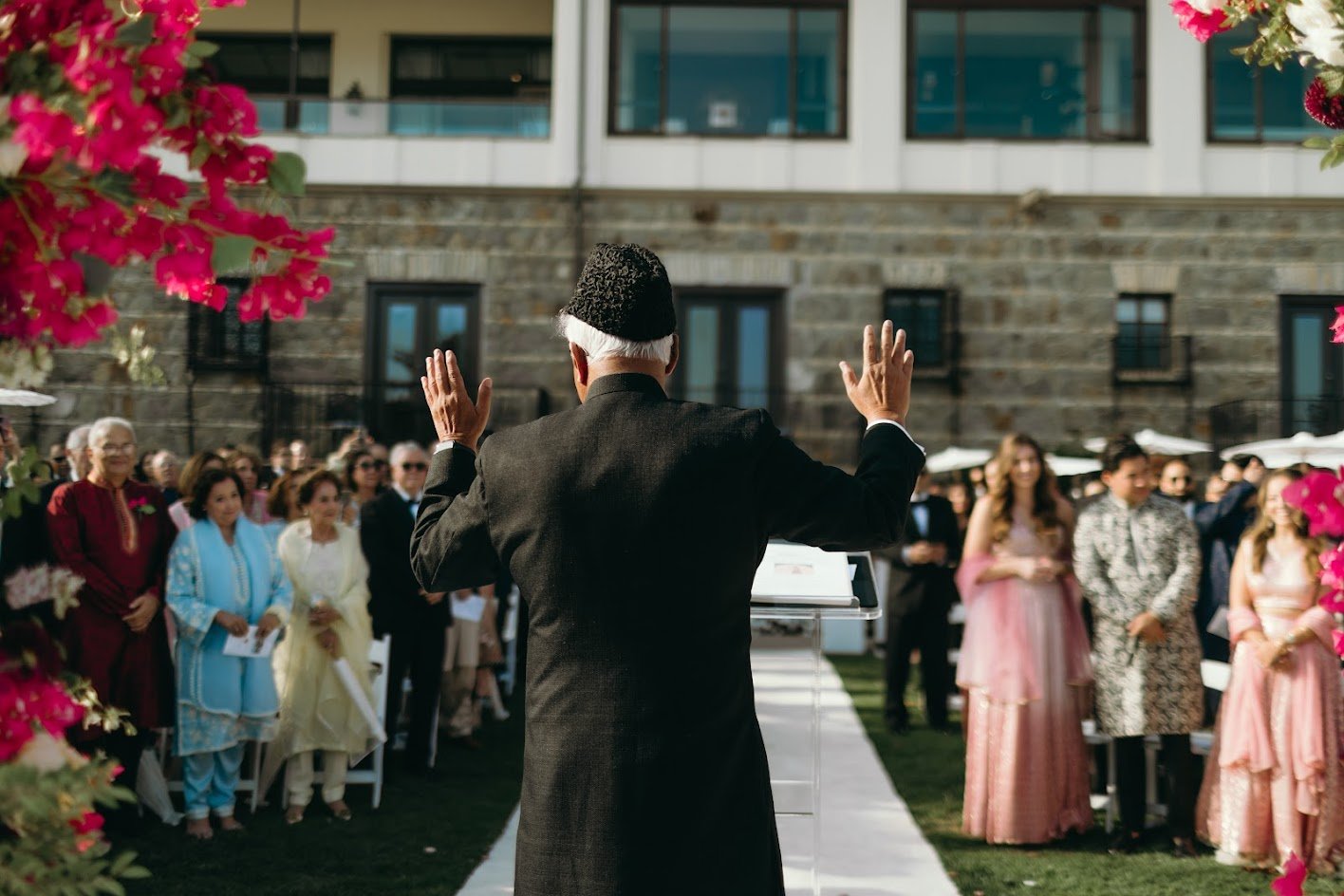
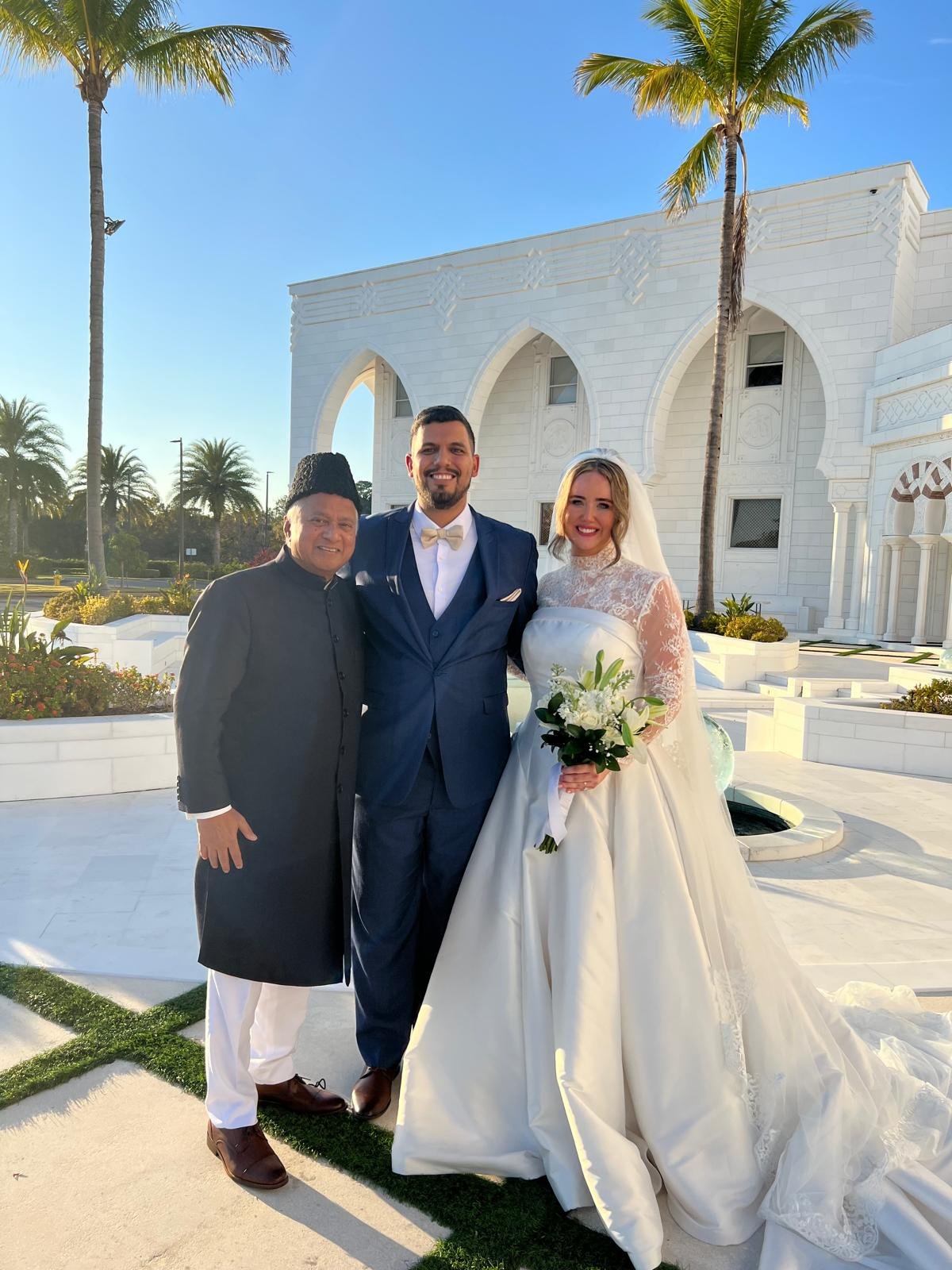
01 / Faith & Family
A traditional Muslim marriage ceremony, with the wording, Quranic passages, family participation, and relevant religious documents discussed during planning. Together, we prepare a ceremony that respects your traditions and the commitment you are making.
A Nikah that includes additional rituals chosen by the couple, along with selected readings or elements from another religious tradition. We agree on these additions together and include them in the script you review and approve.
For couples requesting an Aqd, often associated with Persian and Afghan marriage traditions, we discuss the preferred ceremony format, family customs, and documentation in advance. The program is prepared around the traditions you wish to observe.
For couples who refer to their marriage ceremony as Katb al Kitab, we discuss the wording, family involvement, customs, and relevant documentation. These details are agreed upon during preparation and reflected in your ceremony program.
A Ceremony in Motion
A ceremony shaped around the religious practices, prayers, and readings you wish to include. We discuss their meaning and place within the program.
For a Muslim ceremony, this may include discussing a recitation of the 99 Names of Allah, along with other requested devotional elements.
02 / Honoring Each Other
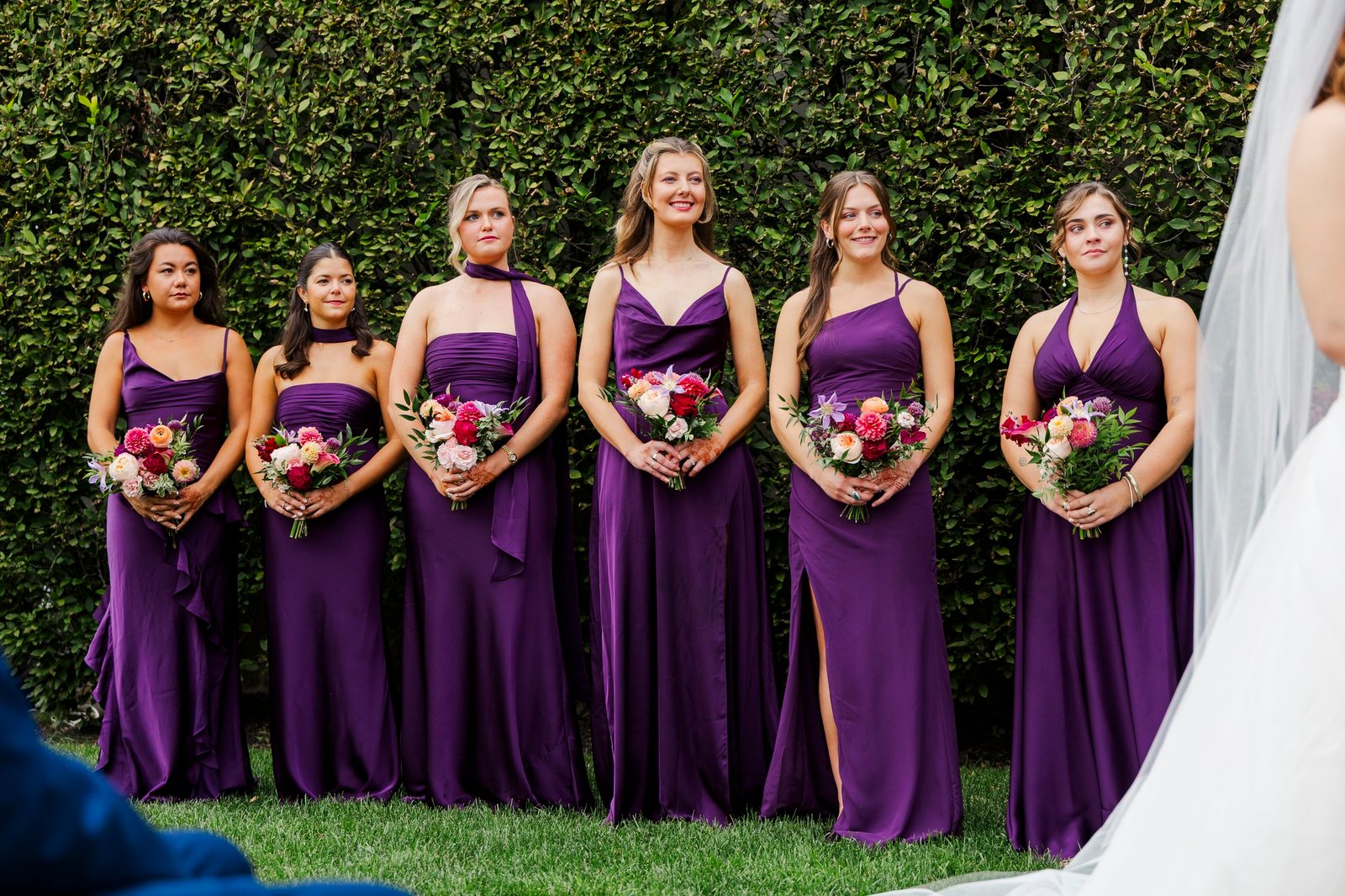
A ceremony that honors both partners’ faith traditions through distinct, thoughtfully coordinated parts. Readings, prayers, or rituals from each tradition can be presented alongside one another, giving both backgrounds their own meaningful place within the celebration.
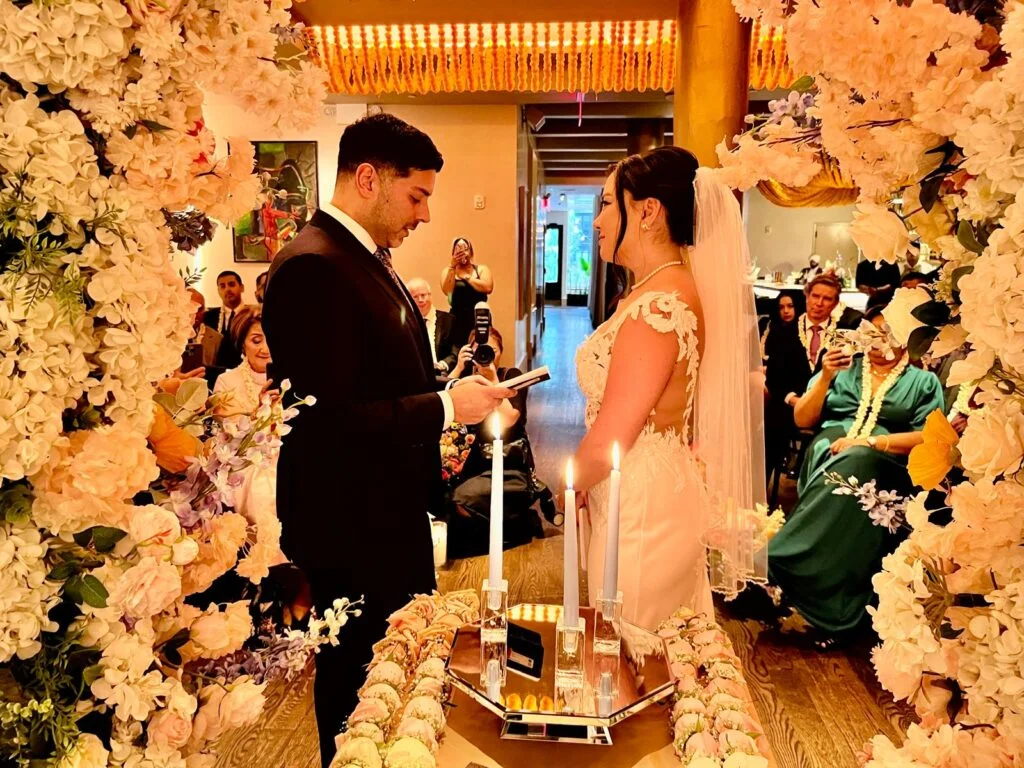
A ceremony that weaves selected elements from both partners’ religious, cultural, or civil traditions into one shared program. Hindu-Muslim, Christian-Muslim, Jewish-Muslim, and other couples can choose the elements that best express their relationship and commitment.
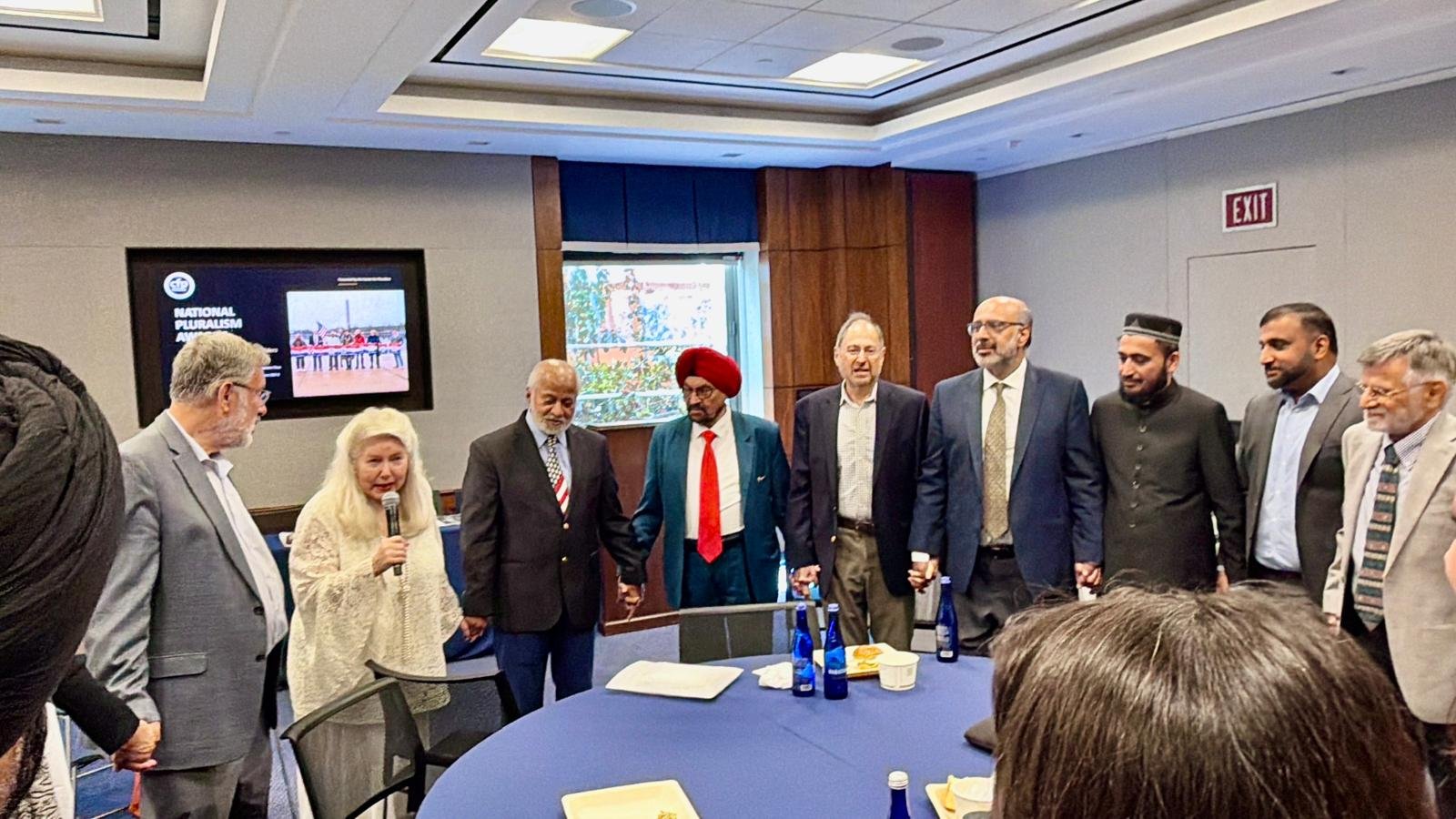
A ceremony incorporating several religious traditions, with each contribution thoughtfully included in the agreed program. One wedding I conducted in New York brought together Sikh, Hindu, Christian, Muslim, and Buddhist traditions within the same celebration.
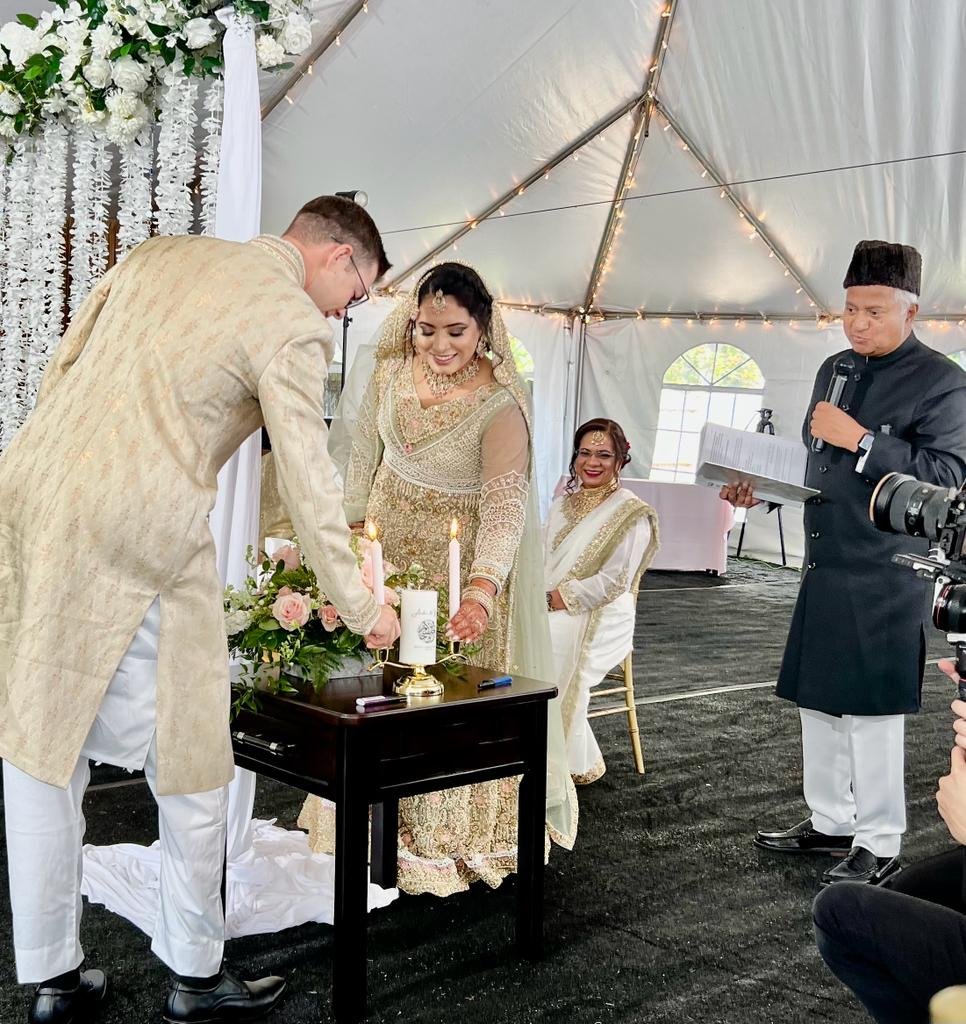
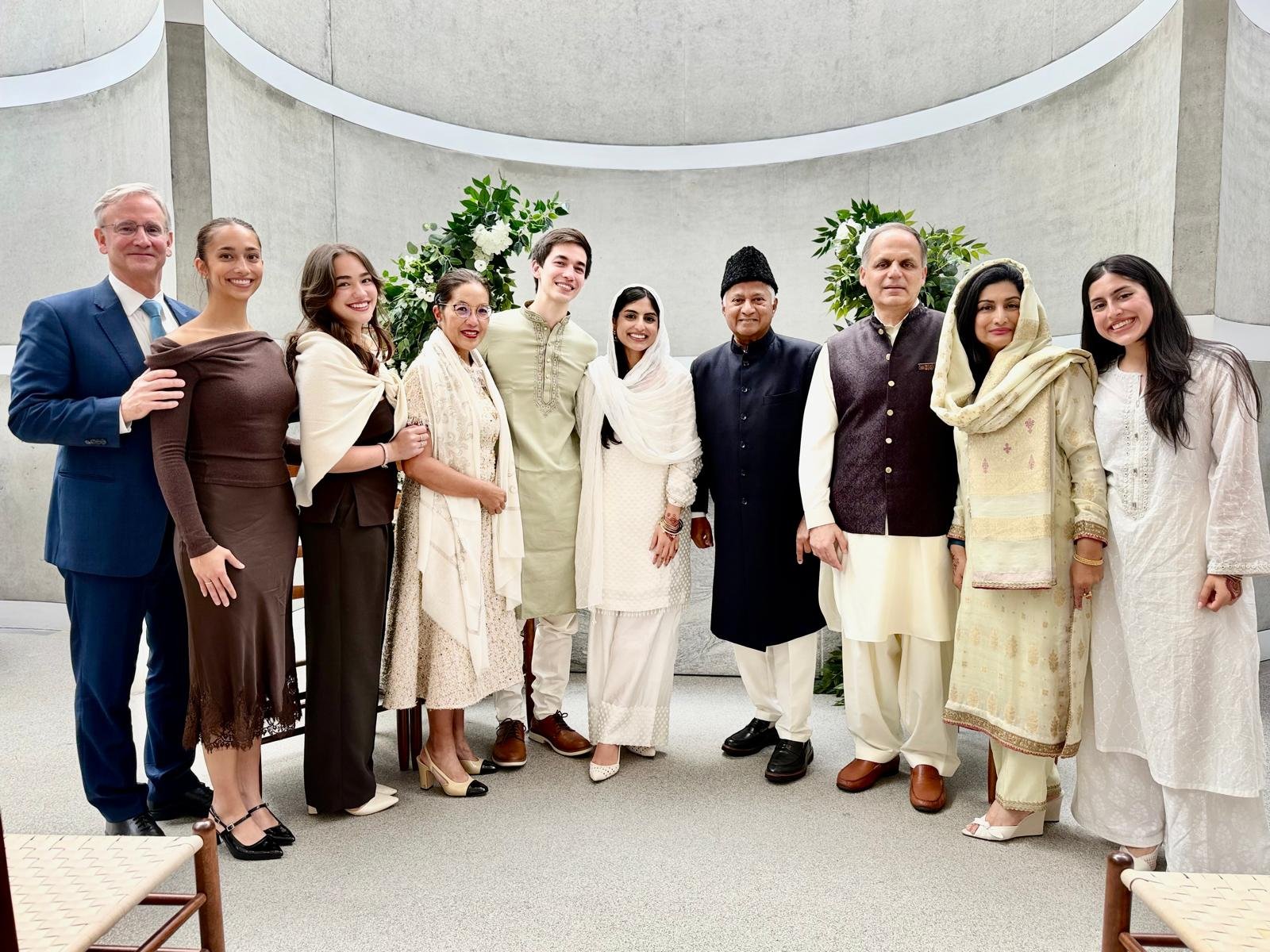
03 / The Promise You Make
A ceremony centered on your marriage commitment and the applicable civil paperwork. Dr. Fatima and I discuss the officiation and signing arrangements for your wedding location, explaining civil requirements separately from any religious documents you may also wish to include.
A ceremony centered on your relationship, shared values, and promises to one another. The wording is secular, with space for personal readings, family participation, and meaningful cultural traditions you choose to include.
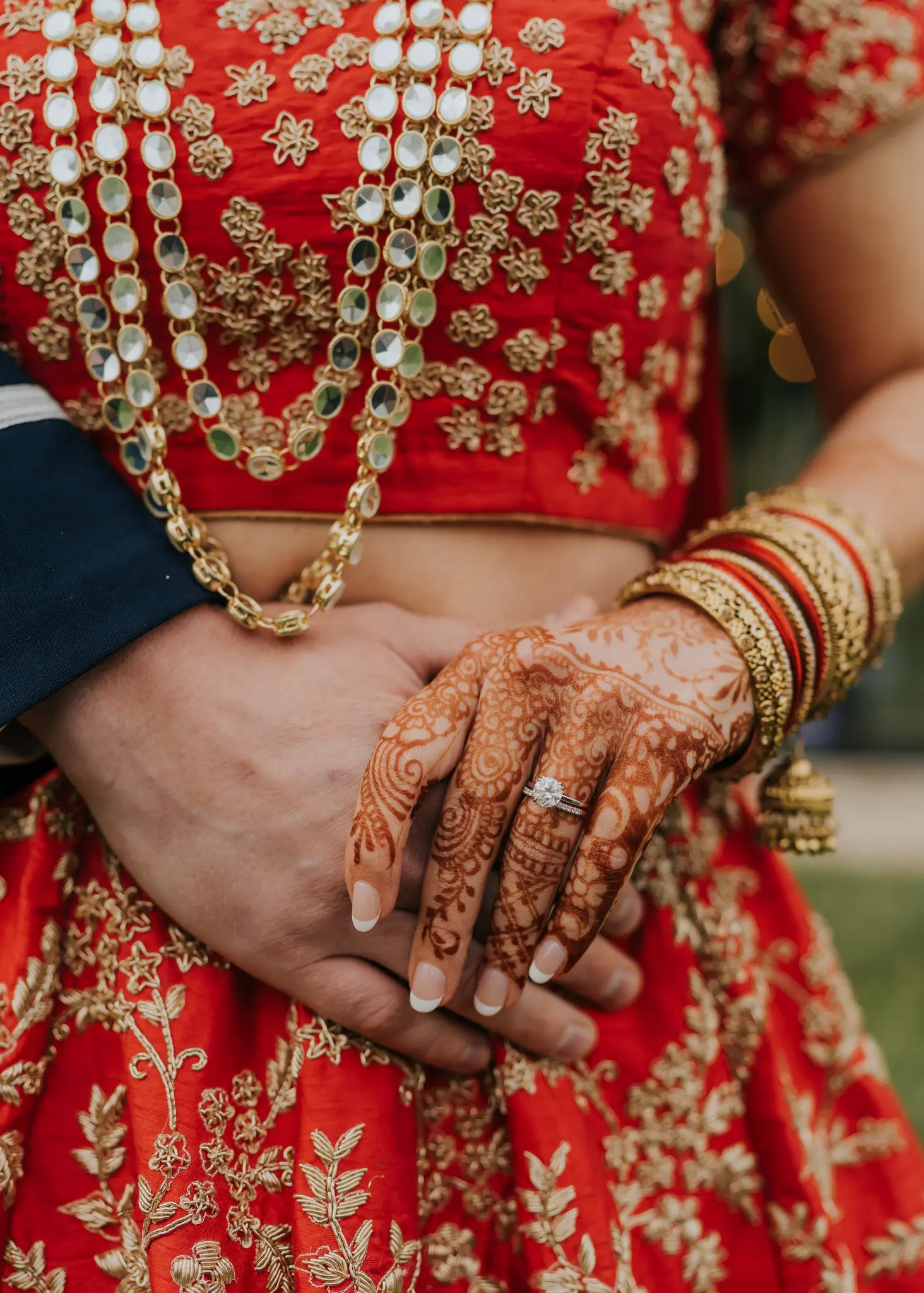
04 / A Place That Matters
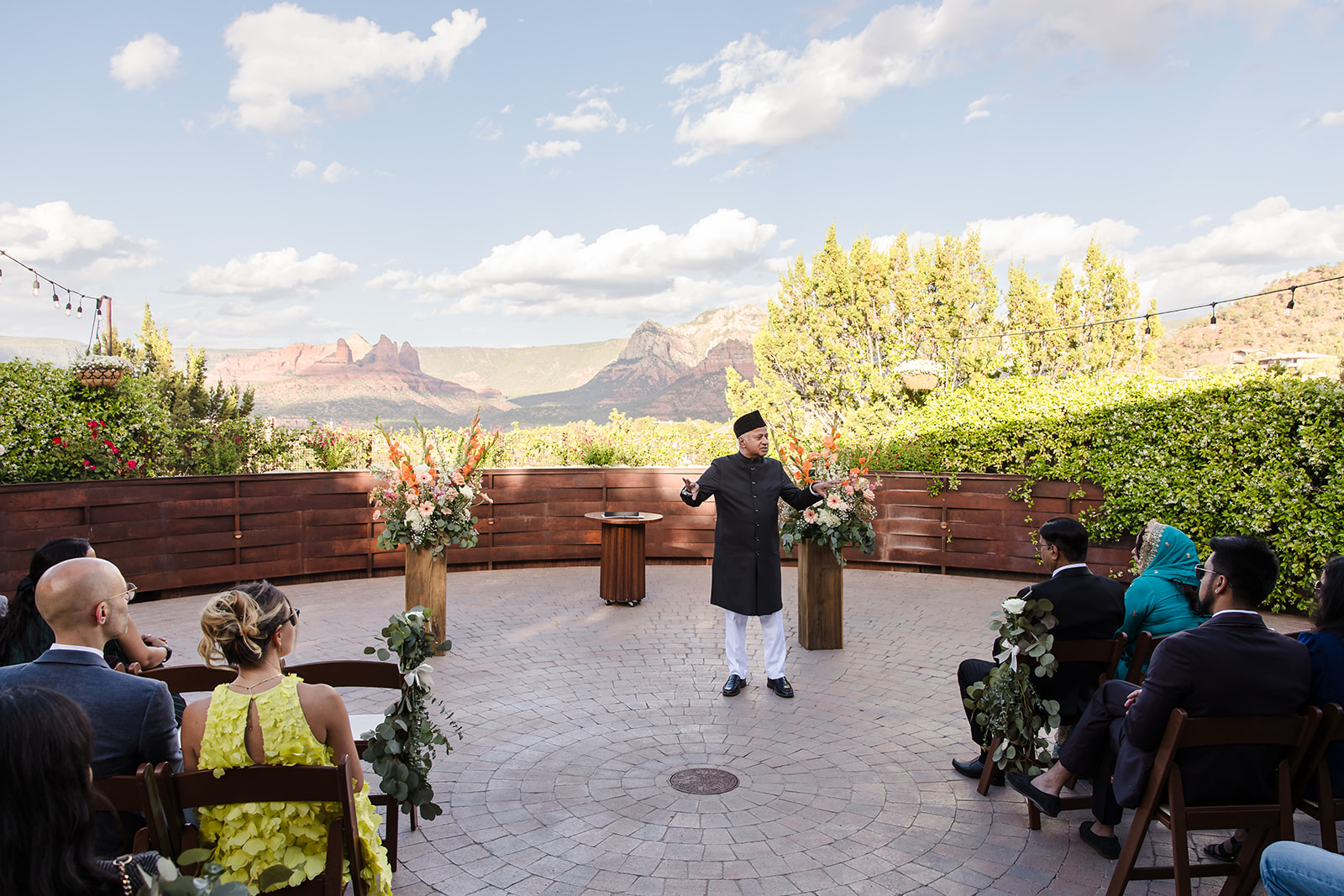
A wedding in a setting that holds special meaning for you, whether a garden, resort, historic venue, or another destination away from home. Ceremonies in the United States, United Kingdom, Canada, Mexico, and elsewhere can be discussed, with travel arrangements agreed upon in advance.
05 / Across the Distance
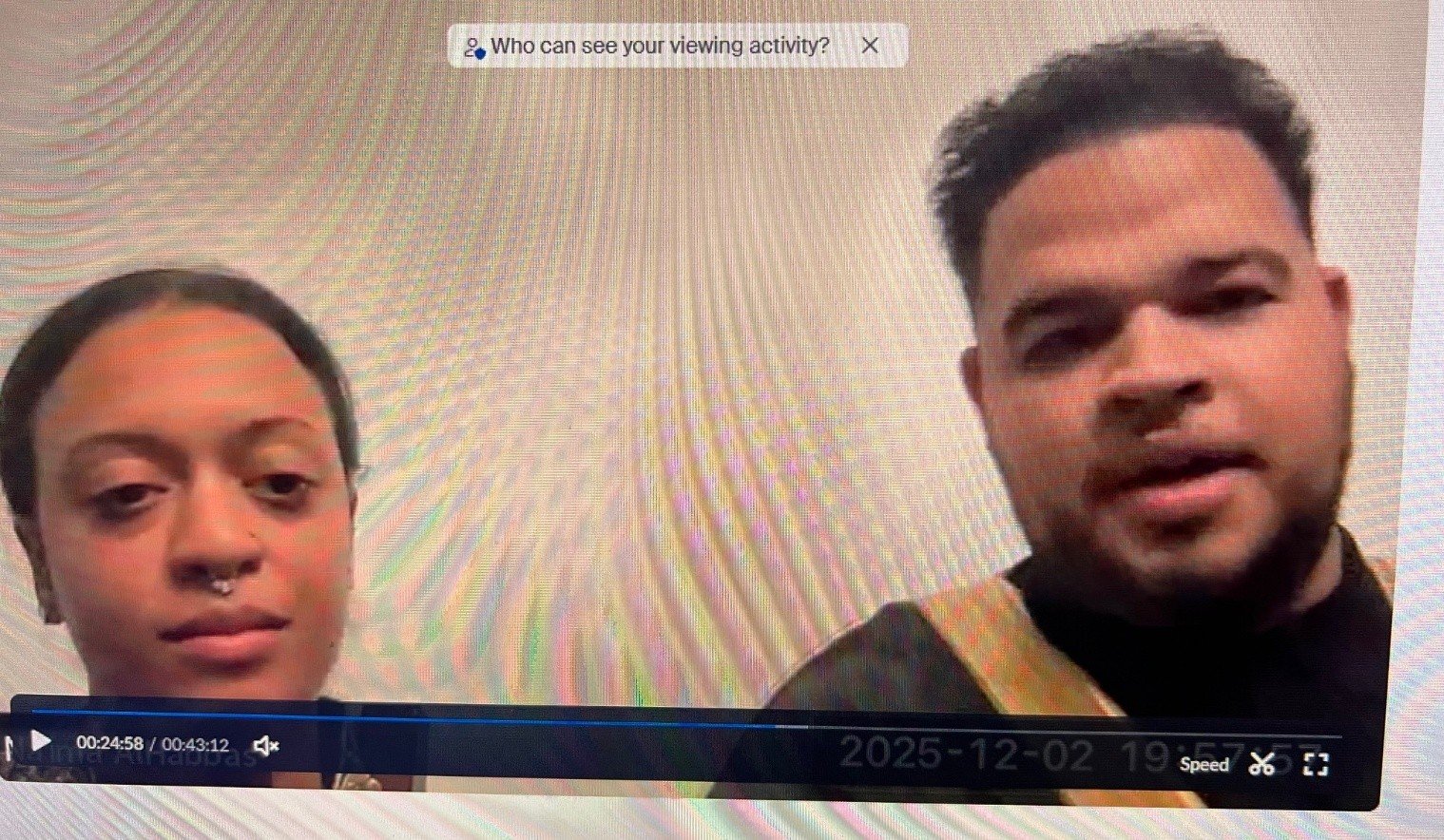
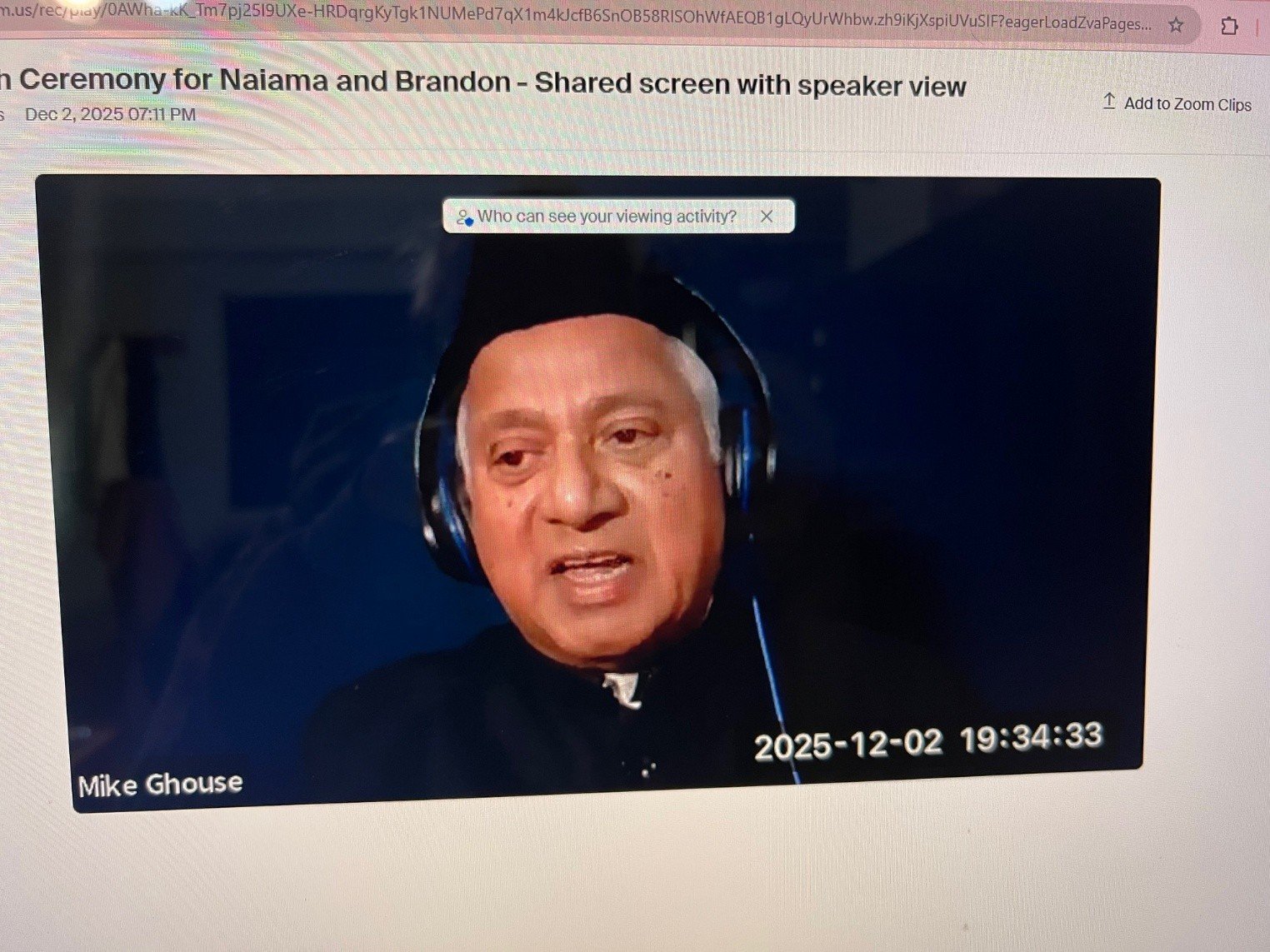
Approximately 5% of our weddings are conducted virtually, and we have developed an organized process for guiding couples through a remote ceremony.
We discuss the format, participation of family and guests, practical arrangements, and any applicable civil paperwork for your circumstances.
06 / Officiating Together
A ceremony conducted with another officiant, either through a shared program or consecutive ceremonies. I have worked with rabbis, pastors, imams, priests, pandits, Baha’i leaders, and others.
We coordinate our roles and the sequence beforehand so the celebration feels thoughtfully prepared.
Room for both traditions.
Practical Information & Next Steps
Let’s make the arrangements feel simple.
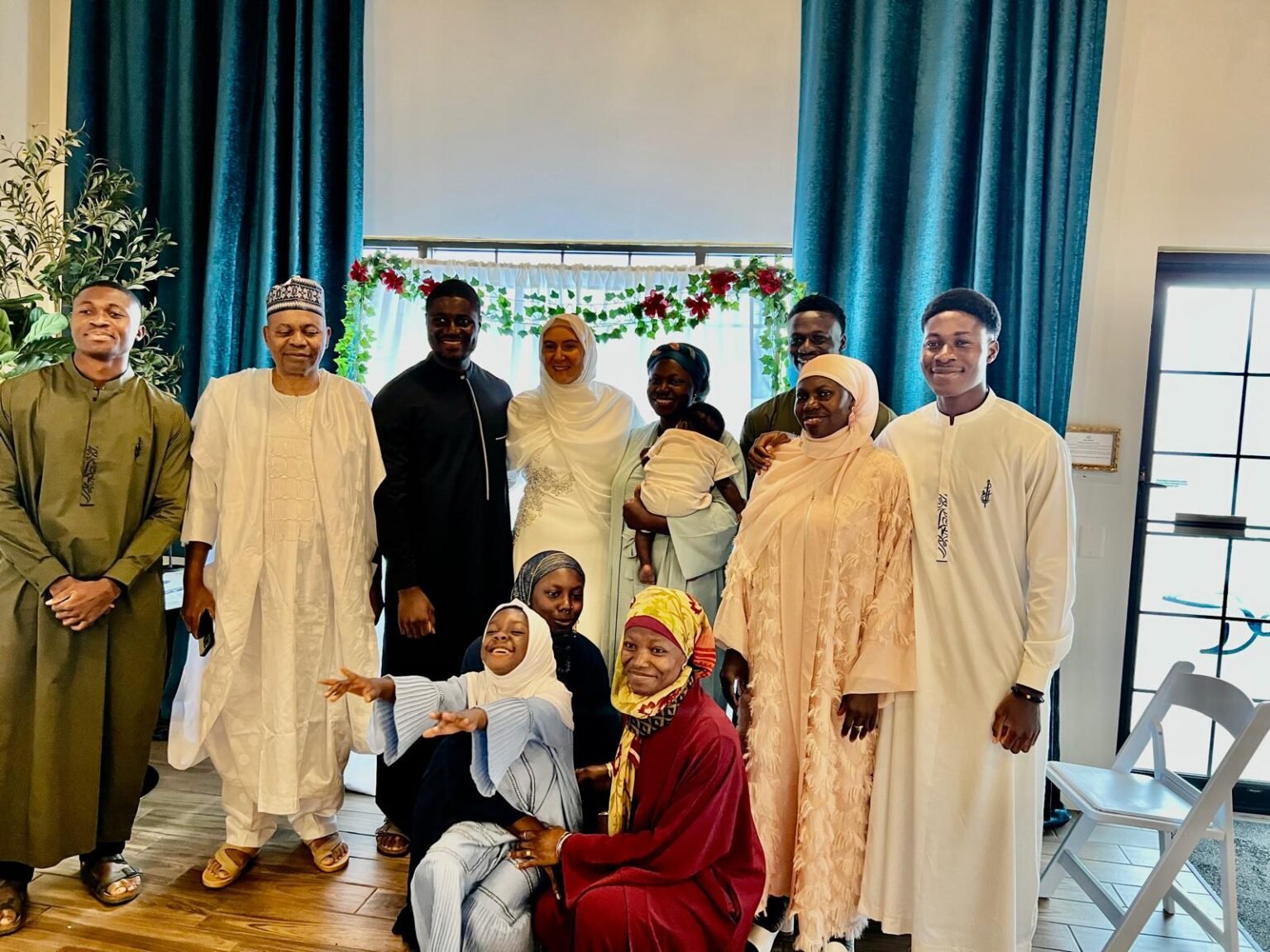
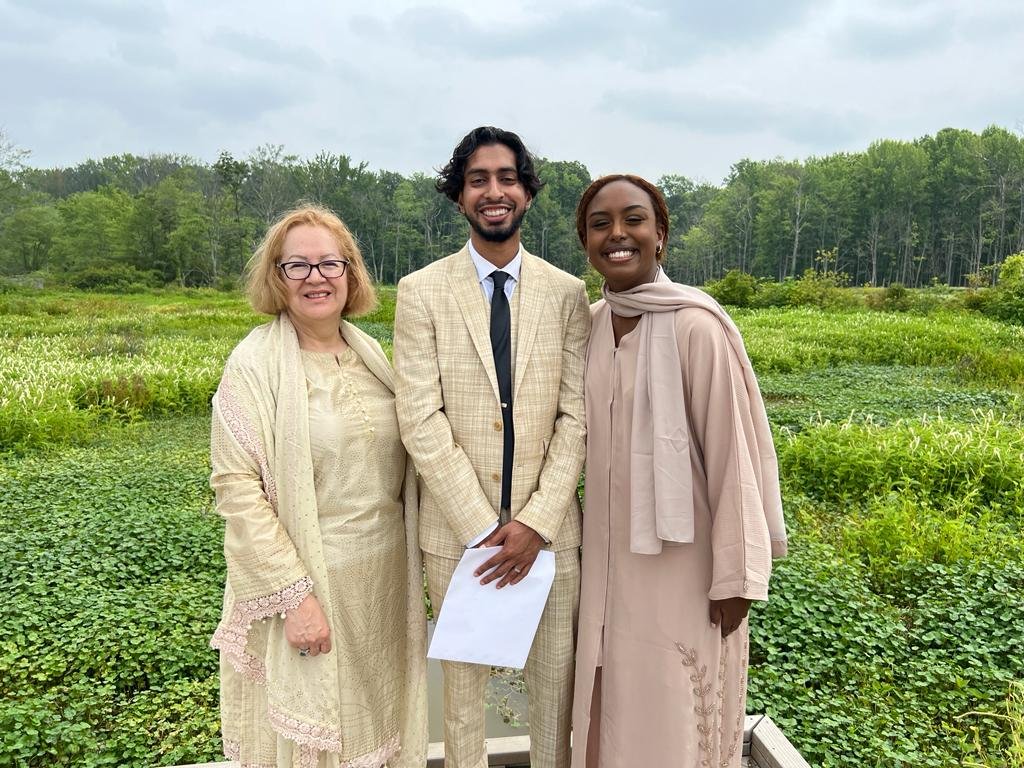
I can speak with parents and grandparents in Urdu-Hindi, fairly well in Kannada, and to some extent in Telugu. I also understand Punjabi, Marathi, and some Tamil.
Please tell me about your family’s language needs so we can discuss how I can help.
My home airport is Dallas/Fort Worth International Airport (DFW). For weddings requiring travel, the couple is responsible for flights and ground transportation, with a possible hotel stay for an evening wedding.
My preferences are American Airlines and Marriott or Holiday Inn Express. We discuss and agree on the arrangements before travel is booked.
All consultation times are Eastern Time
Saturdays and Sundays are often reserved for weddings. You are welcome to reach me by text.