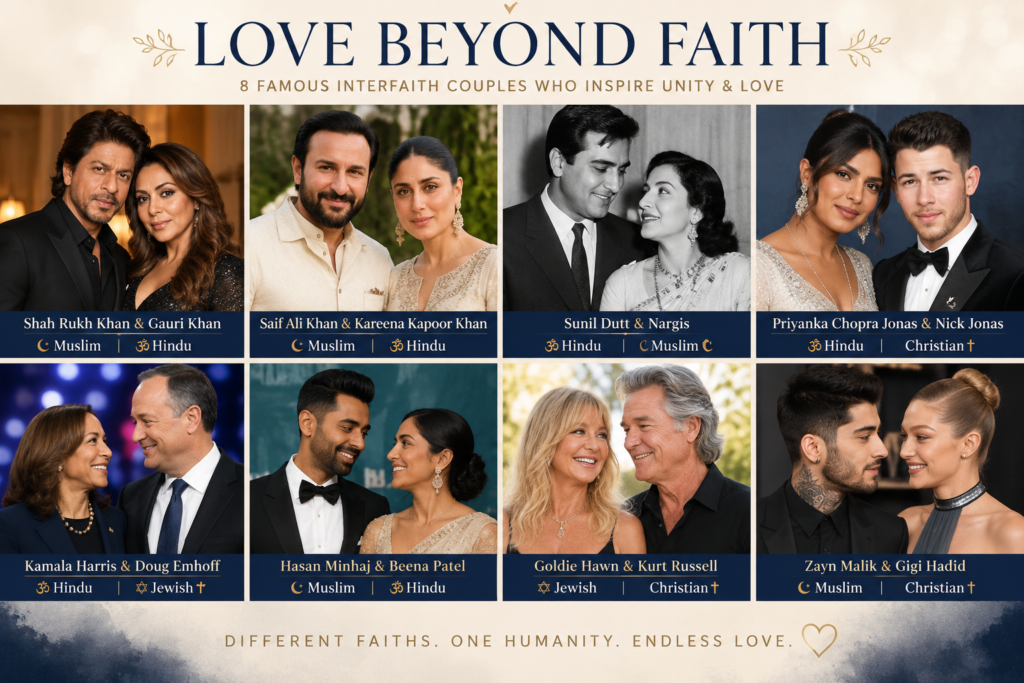
Across faiths, cultures, nationalities, and traditions, countless couples have demonstrated that meaningful relationships are built on respect, understanding, communication, and shared values.
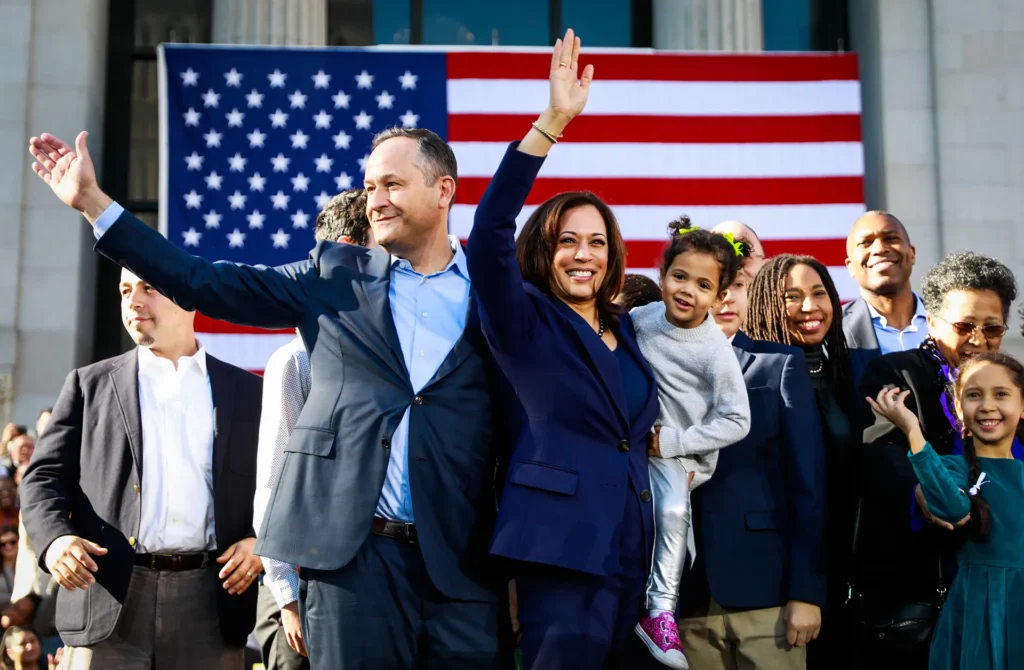
This page highlights well-known public figures whose relationships reflect the growing reality of our interconnected world. Their stories offer insight into how people from different backgrounds can build strong partnerships while honoring their individual identities.
These examples are not presented as celebrity entertainment. Rather, they serve as reflections of coexistence in action—showing how families, relationships, and communities can thrive when differences are approached with dignity, empathy, and mutual respect.
Through stories, interviews, videos, and relationship insights, this page explores the human values that often matter more than labels.
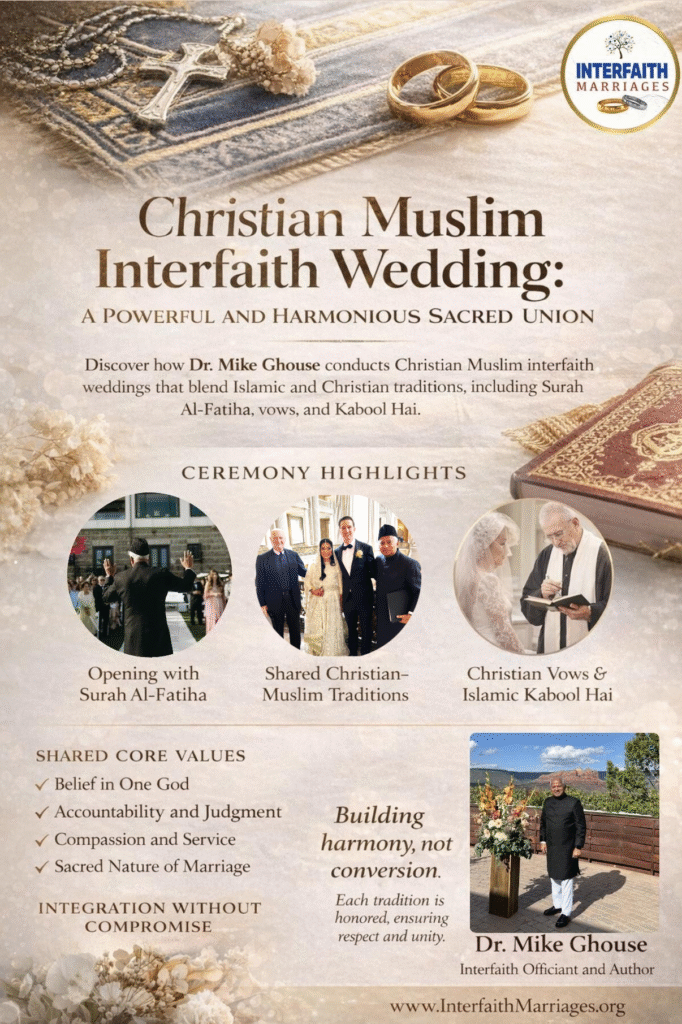
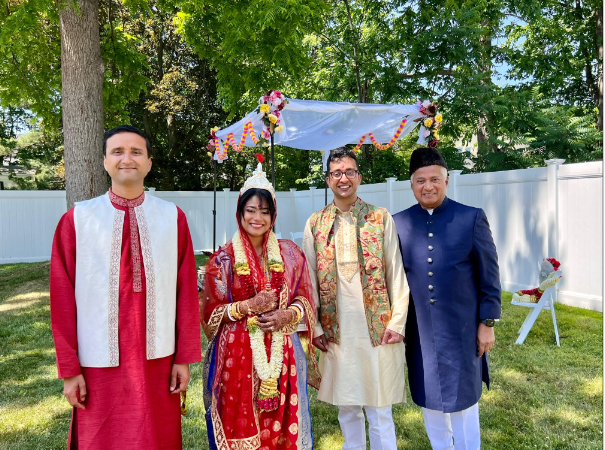
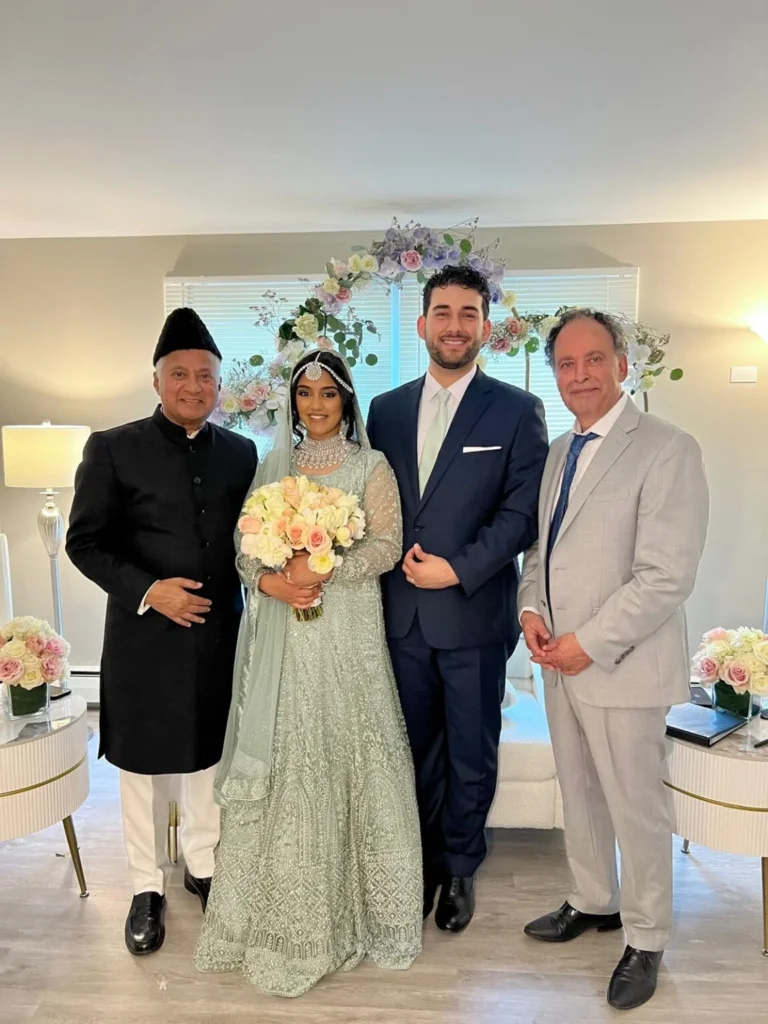
For more than 17 years, Dr. Mike Ghouse has been helping couples achieve what many believe is impossible—bringing different faiths, traditions, and families together in celebration rather than division.
What We Can Learn From Successful Interfaith & Intercultural Relationships
While every relationship is unique, many successful interfaith and intercultural couples share common qualities that help them navigate differences with understanding and respect. Their experiences remind us that strong relationships are rarely built on identical backgrounds alone. Instead, they are strengthened through communication, empathy, shared values, and a willingness to grow together.
Respect Before Agreement
Successful couples understand that respect does not require complete agreement. Healthy relationships create space for different beliefs, traditions, and perspectives while ensuring that both individuals feel valued and heard.
Communication Builds Trust
Open and honest communication helps couples address misunderstandings before they become conflicts. Many long-lasting relationships thrive because partners are willing to listen, learn, and communicate with empathy.
Shared Values Matter Most
While backgrounds may differ, many successful couples are united by common values such as kindness, integrity, responsibility, compassion, and commitment. Shared values often provide a stronger foundation than shared labels.
Diversity Can Strengthen Relationships
Different cultural and religious experiences can broaden perspectives and enrich family life. When approached positively, diversity often becomes a source of learning, growth, and mutual appreciation.
Families Can Create New Traditions
Many interfaith and intercultural families find meaningful ways to celebrate multiple traditions while creating new customs of their own. This flexibility often helps strengthen family bonds across generations.
Understanding Is an Ongoing Journey
Successful relationships are not built in a single conversation. They develop through patience, curiosity, and a willingness to continue learning about one another throughout life.
Video Gallery: Conversations on Love, Faith & Family
Public figures from around the world have shared valuable insights on marriage, family, faith, identity, and navigating cultural differences. These conversations highlight how respect, communication, and shared values help relationships thrive across diverse backgrounds.
Real Voices. Real Experiences. Real Relationships.
Shahrukh Khan on Faith, Family, Identity & Children
Shahrukh Khan on Spirituality & Coexistence
Priyanka Chopra on Marriage & Cultural Differences
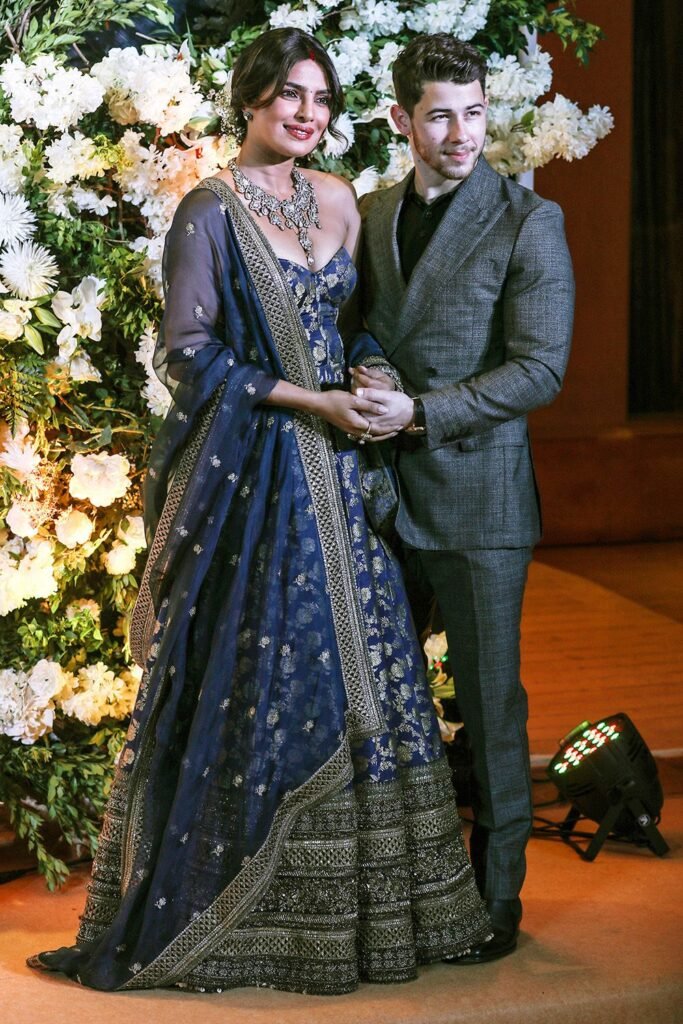
Priyanka Chopra & Nick Jonas – Relationship Insights
Nick Jonas on Raising His Daughter with Hindu Values
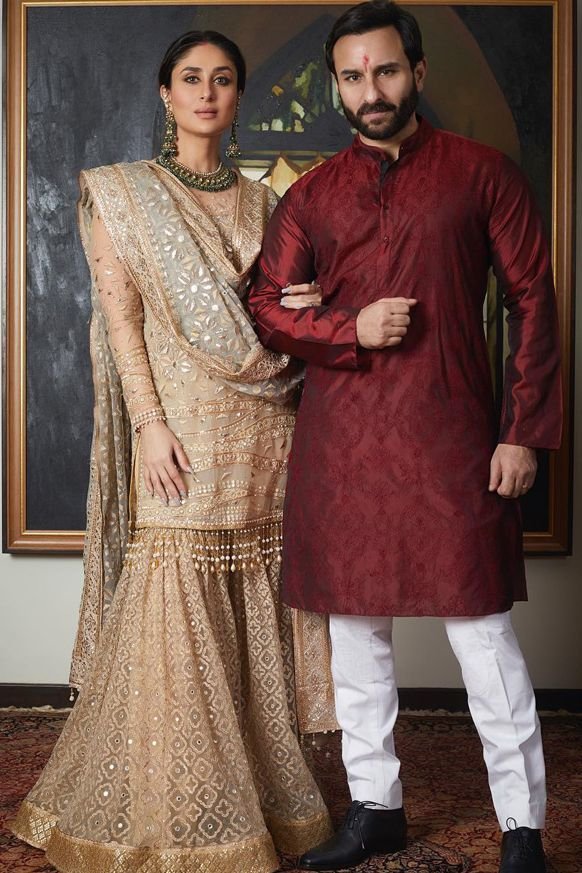
Why I Married Saif Ali Khan: Kareena Kapoor Khan
Lessons from 650+ Real Weddings
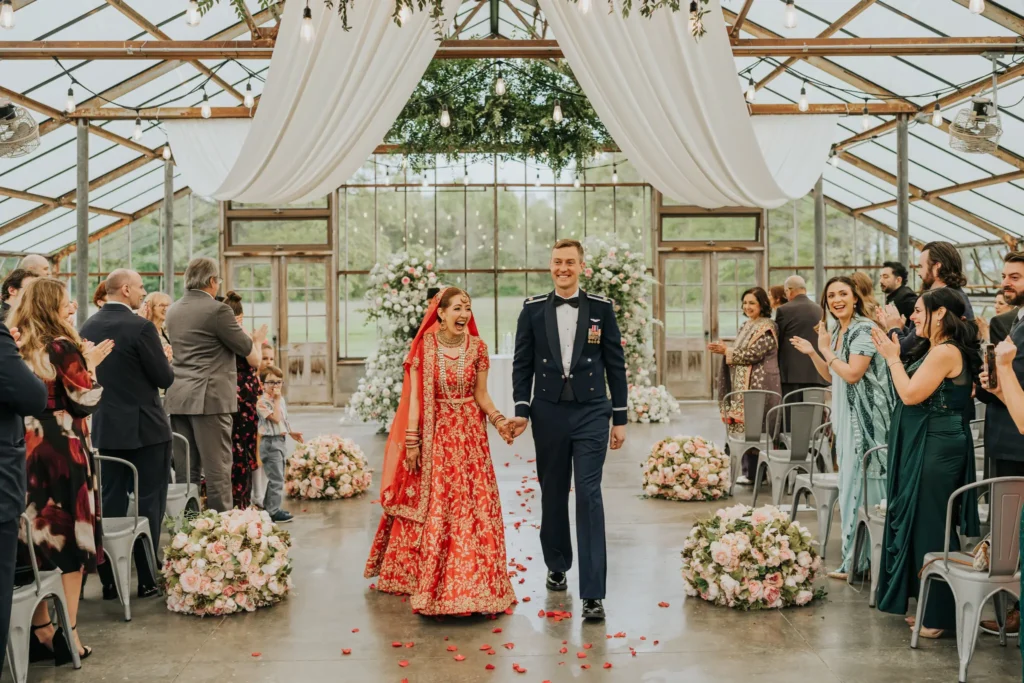
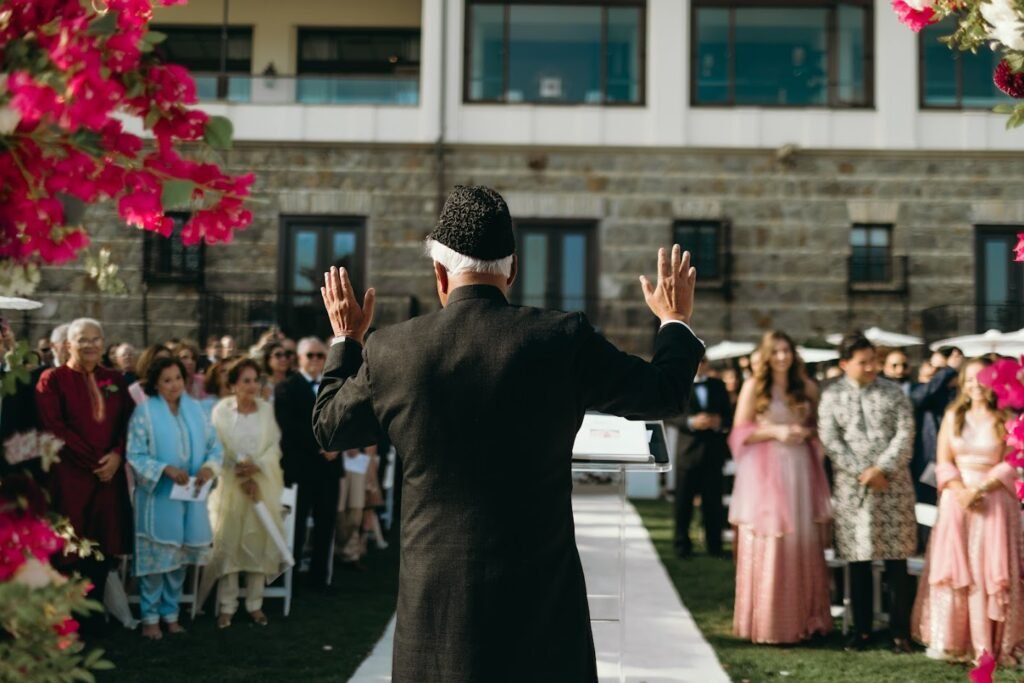
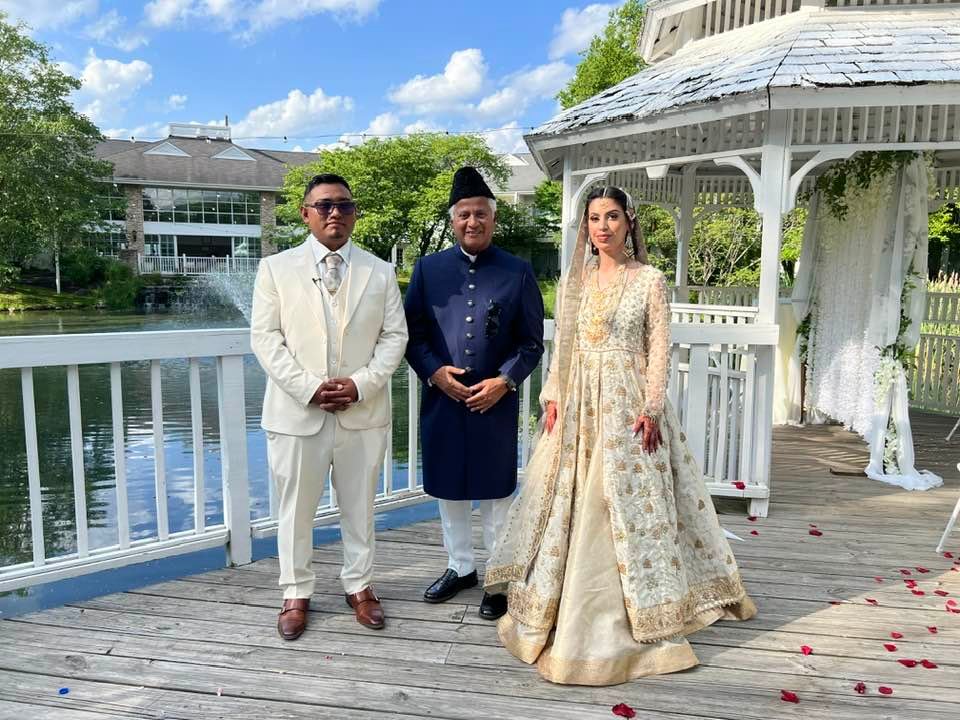
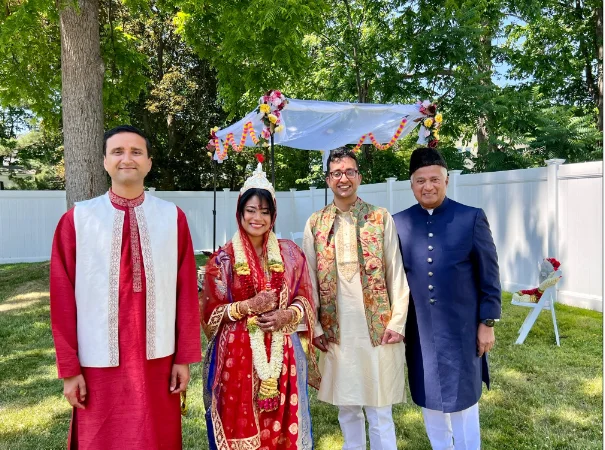
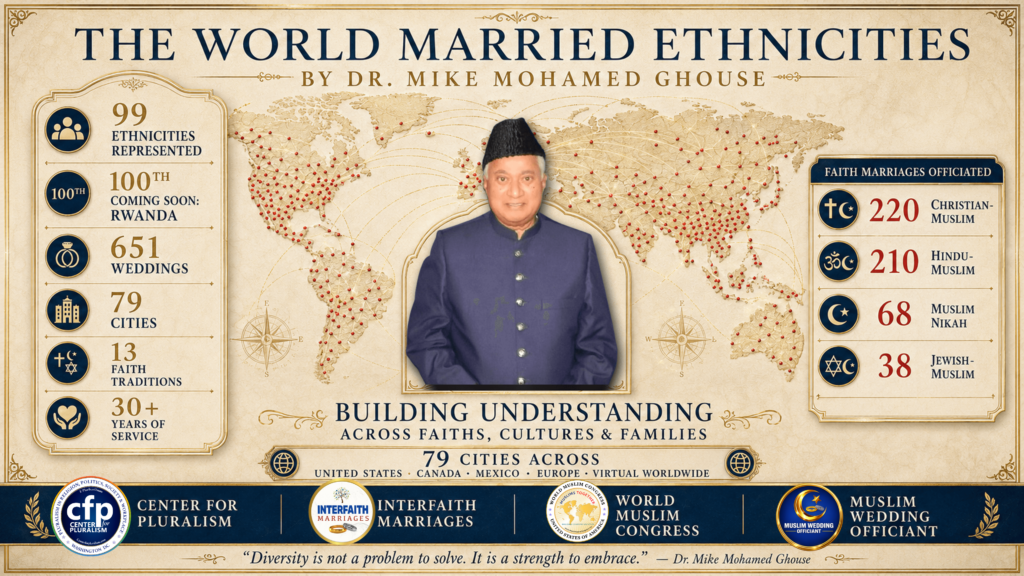
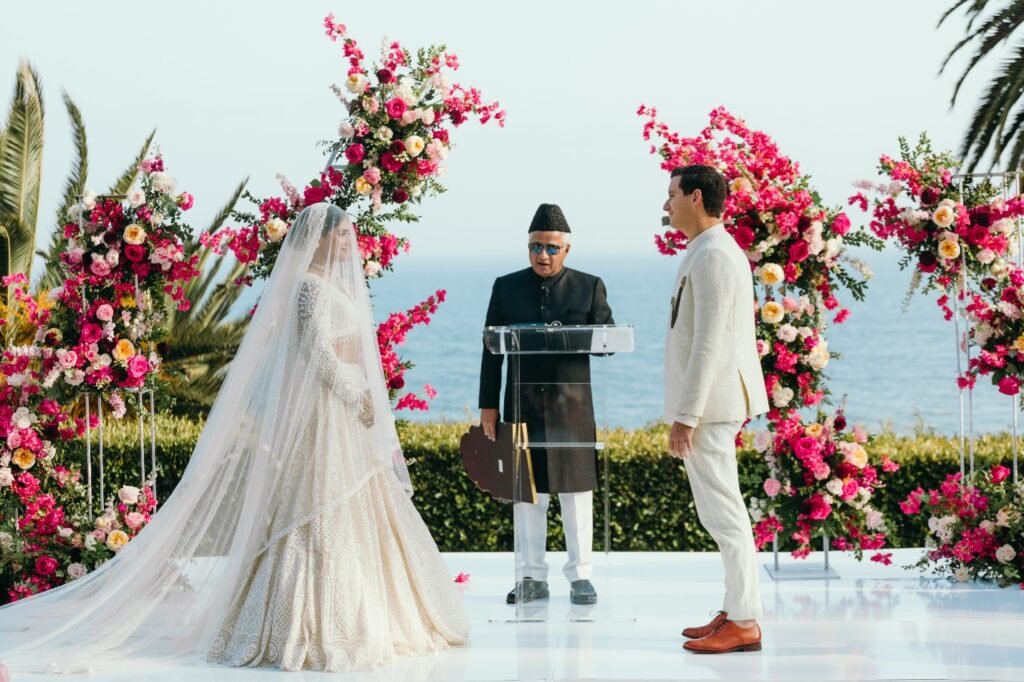
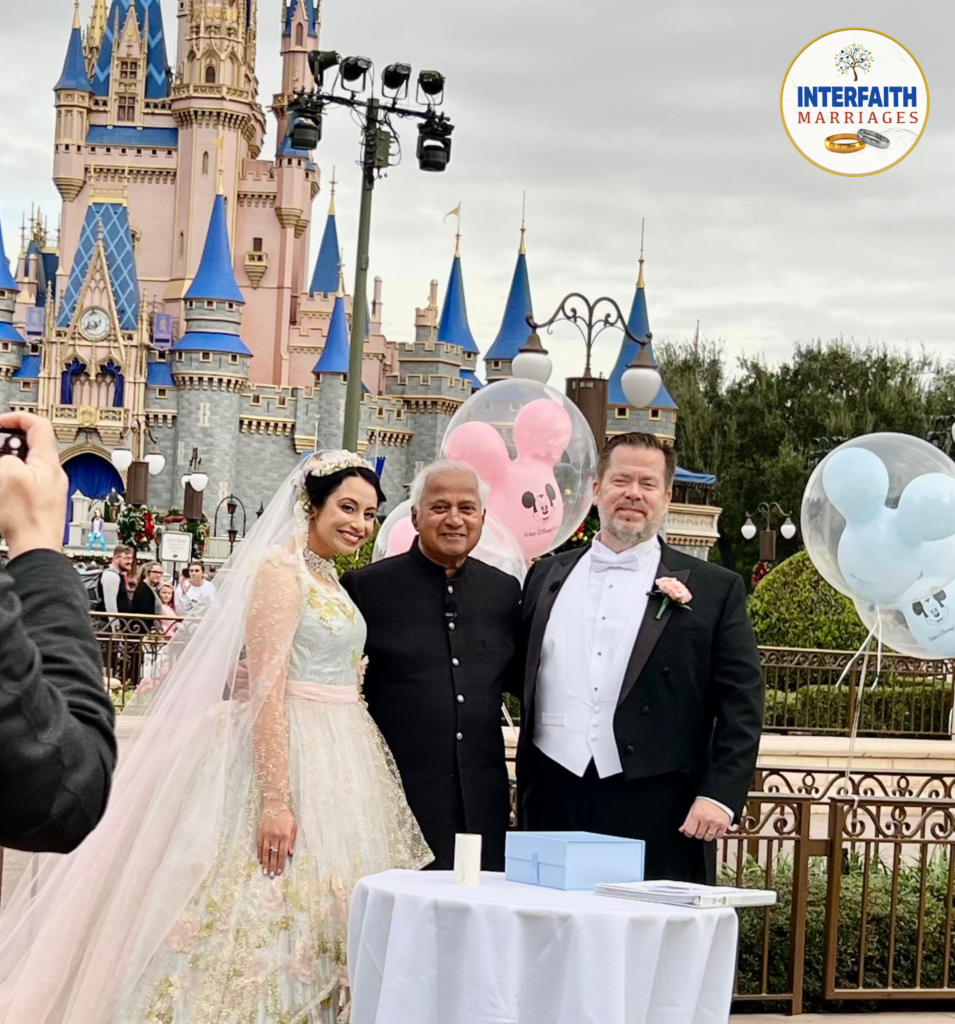
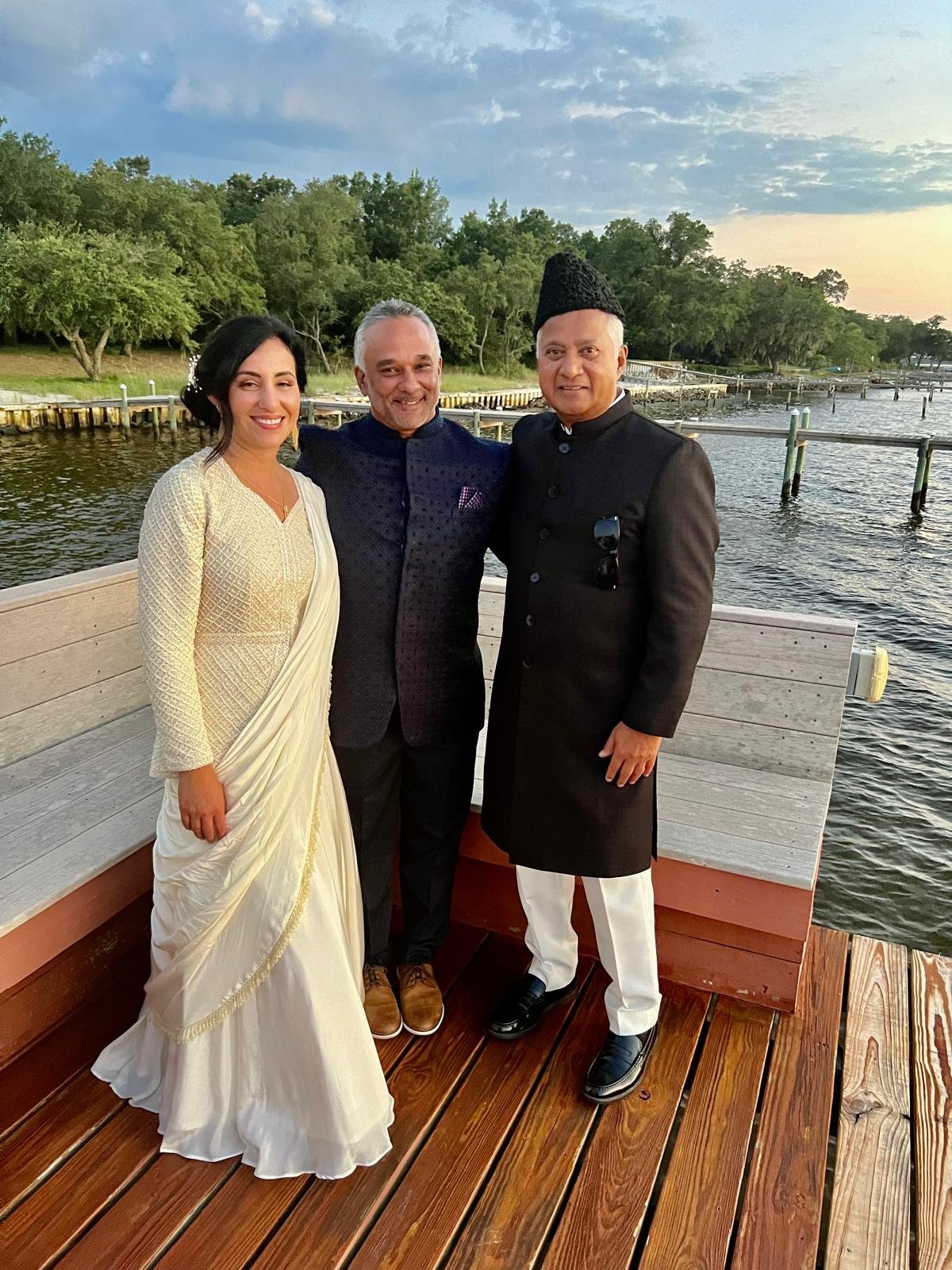
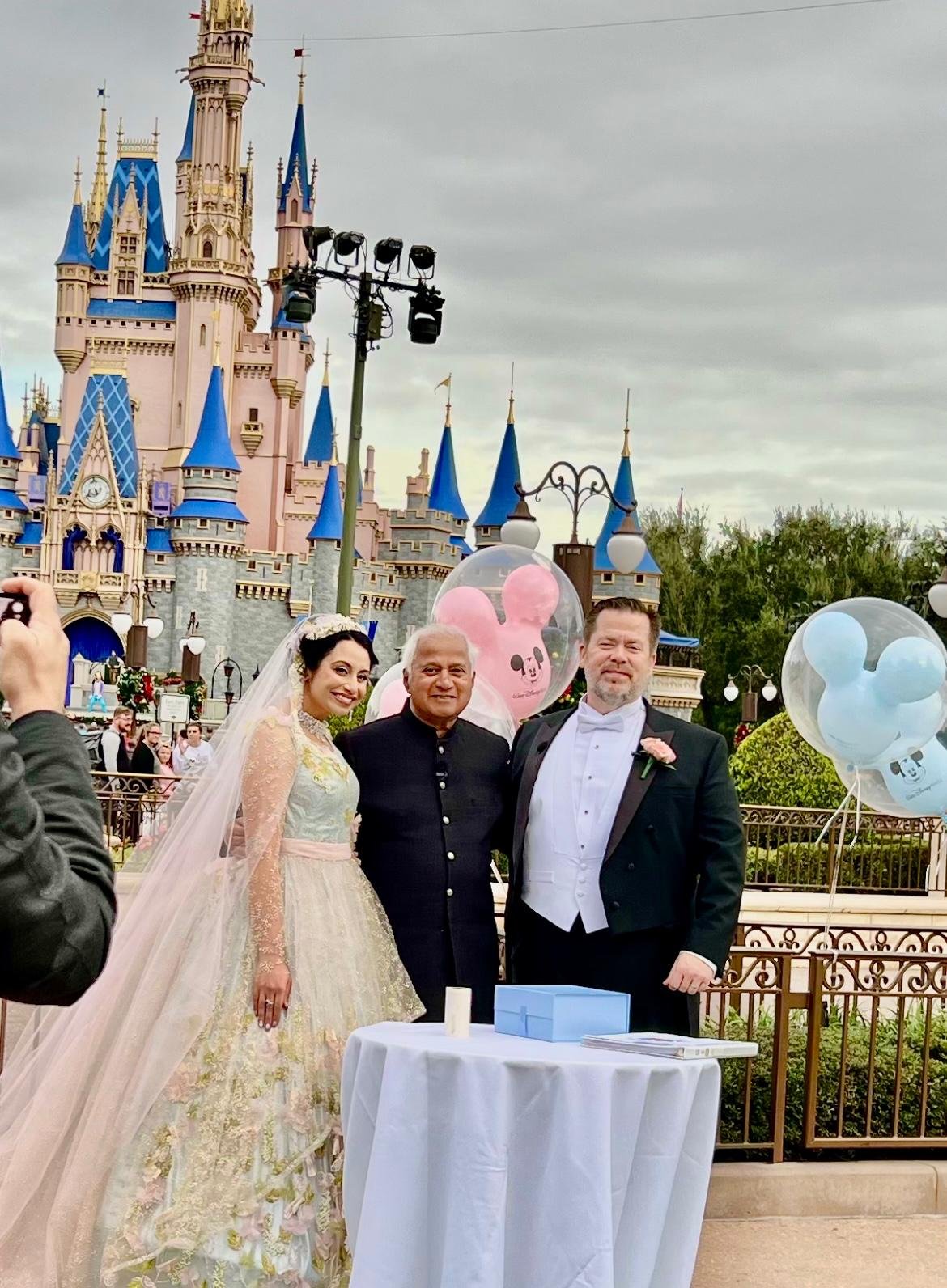
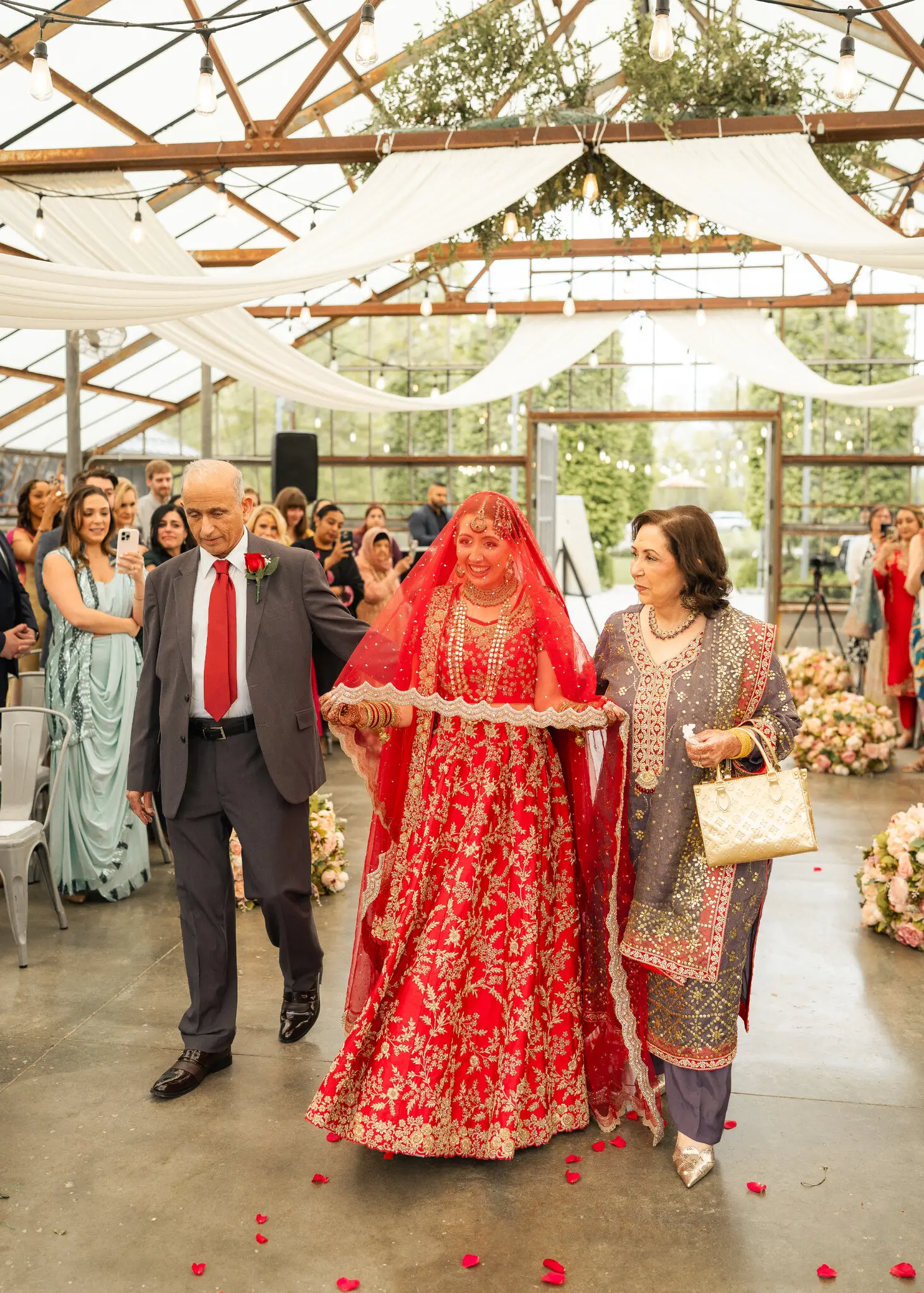
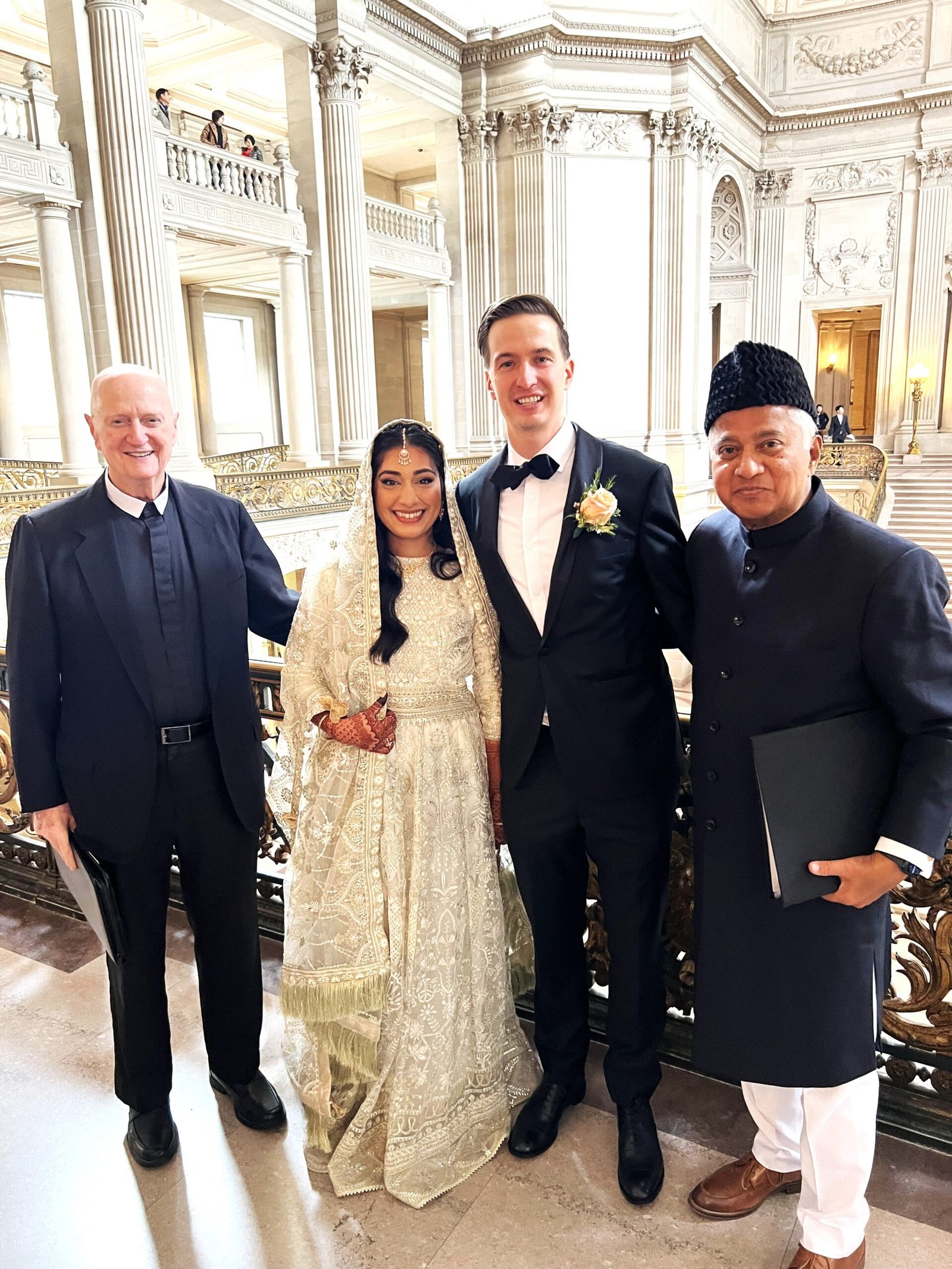
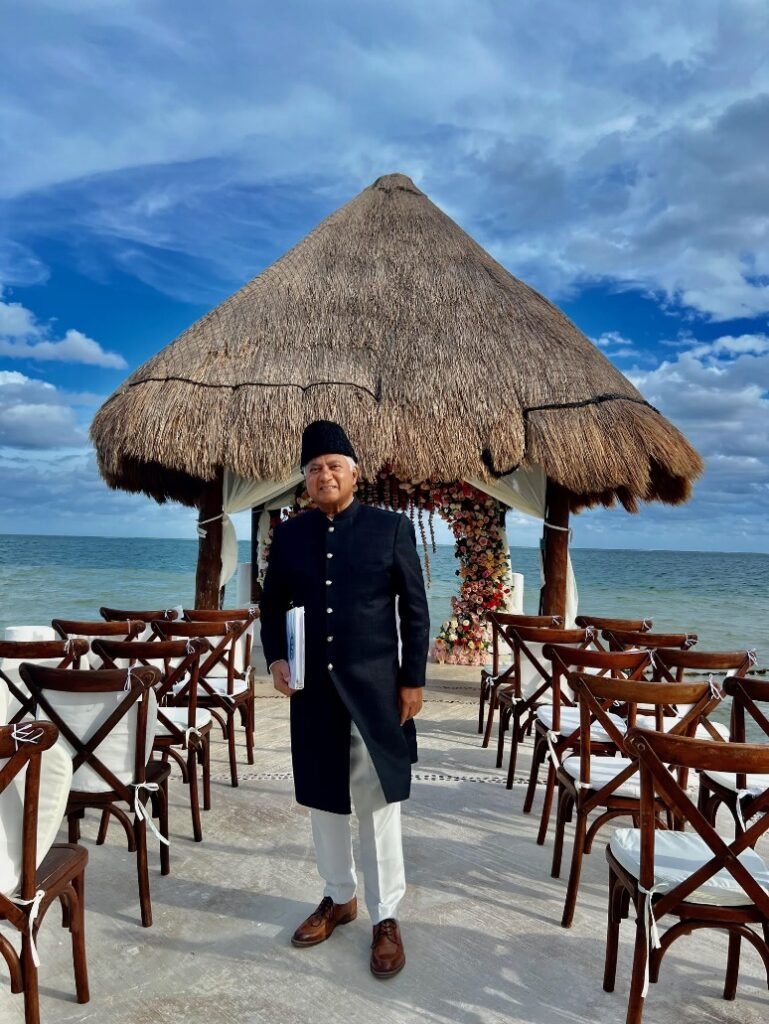
For more than 17 years, Dr. Mike Mohamed Ghouse has helped couples from diverse faiths, cultures, ethnicities, and national backgrounds create wedding ceremonies that honor their unique journeys. Having officiated more than 620 weddings—including interfaith, intercultural, interracial, civil, Nikah, secular, destination, and virtual ceremonies—he has witnessed firsthand how meaningful relationships are built across differences.
The stories featured on this page reflect many of the same realities encountered by couples around the world. While every relationship is unique, successful partnerships often emerge when individuals approach one another with curiosity, understanding, and a willingness to grow together.
Through his work, Dr. Ghouse has seen families create new traditions, bridge cultural divides, navigate religious differences, and build lasting relationships rooted in dignity and mutual respect. These experiences continue to reinforce a simple but powerful idea: coexistence is not merely a social principle—it is something people practice every day within their homes, families, and relationships.
One of the greatest honors of my life has been officiating more than 650 interfaith marriages, bringing together individuals from 13 faith traditions, 99 ethnic backgrounds, and across 77 cities in the U.S., Canada, Mexico, the UK, and Europe. Many of these have been beautiful destination weddings.
Separating Myth from Reality
Many assumptions about interfaith relationships are repeated so often that they are accepted as fact. Yet after officiating more than 625 weddings involving couples from diverse faiths, cultures, races, and ethnic backgrounds, Dr. Mike has found that successful relationships are built on qualities far deeper than stereotypes.
Myth 1:
"Interfaith marriages rarely last."
Reality
The success of a marriage is determined far more by communication, emotional maturity, shared values, and mutual respect than by whether two people share the same religious background. Faith differences can present challenges, but so can differences in personality, family expectations, finances, or life goals. Couples who intentionally learn, communicate, and grow together often build relationships that are just as strong—and sometimes stronger—because they have learned to navigate differences with empathy.
Myth 3:
"Our families will never accept us."
Reality
Family concerns are real, but they are not always permanent. Many parents simply want reassurance that their son or daughter will be loved, respected, and supported. Patience, transparency, and continued dialogue often transform fear into understanding. Acceptance may take time, but countless families eventually embrace relationships they once questioned.
Myth 5:
"Love alone is enough."
Reality
Love is where every great relationship begins, but lasting marriages are sustained by commitment, communication, trust, patience, and shared purpose. The happiest couples don’t avoid difficult conversations—they learn how to have them with kindness and respect.
Myth 2:
"One person must abandon their faith for the marriage to work."
Reality
Healthy interfaith marriages are rarely built on abandoning one’s identity. Instead, they thrive when both partners respect each other’s beliefs and create space for honest conversations about traditions, values, celebrations, and future family life. Mutual respect—not religious uniformity—is often the strongest foundation.
Myth 4:
"Children from interfaith families grow up confused."
Reality
Children raised in homes where both parents model respect, honesty, and understanding often develop a deeper appreciation for diversity. Rather than confusion, many gain empathy, curiosity, and the ability to understand different perspectives—qualities that prepare them for an increasingly interconnected world.
Myth 6:
"Our differences are the problem."
Reality
Differences are rarely what weaken a relationship. The real challenge is how couples respond to those differences. When approached with curiosity instead of judgment, diversity becomes an opportunity to learn, grow, and build a richer life together. Some of the strongest marriages are not those with the fewest differences—but those where both partners choose understanding over assumption, every single day.
❤️ A Message to Families ❤️
When a loved one chooses to marry someone from a different faith or cultural background, questions and concerns are natural. But the most meaningful conversations begin not with fear, but with understanding.
A word of encouragement can replace fear with confidence. A willingness to listen can open doors that disagreement never could. Choosing curiosity over assumption often becomes the first step toward acceptance, healing, and lasting relationships—not only between two individuals, but between two families coming together.
Every family’s journey is unique, and meaningful conversations often take time. When love is met with compassion, respect, and understanding, differences no longer become walls that separate us—they become opportunities to learn, grow, and build relationships that enrich everyone involved.
Perhaps the most important question is not, “How are we different?” but “How can we build a future together while honoring what makes each of us unique?”
That conversation has the power to transform not only a marriage—but generations to come.
Explore More Interfaith Stories & Resources
Every relationship has a unique story. Explore more articles, guides, real wedding stories, and educational resources designed to help couples and families navigate love across faiths and cultures.
Every Lasting Marriage Begins With One Meaningful Conversation.
Every relationship is unique. Every couple deserves to be heard.
Whether you’re exploring an interfaith relationship, navigating cultural differences, preparing for marriage, or simply looking for thoughtful guidance, you don’t have to walk the journey alone. For more than 17 years, Dr. Mike Ghouse has officiated over 625 weddings involving couples from 99 ethnic backgrounds and 13 faith traditions. His experience has shown that successful marriages are not built because two people are the same—but because they choose to understand, respect, and support one another every single day. Your story is unique, and every meaningful journey begins with a single conversation.