
Film 01 · A family’s reflection
What remains after the vows.
A personal reflection on the meaning, care and human presence surrounding a wedding celebration.

Interfaith love is rarely just about two people. It often carries the hopes of two families, the memories of two traditions, and the quiet questions that come with building a life across difference.
Which prayers will be included? Will either person be expected to convert? How will parents feel represented? What happens during future holidays? How will children be raised? How can both families feel respected without turning the wedding into a negotiation?
Dr. Mike Ghouse approaches these questions through the philosophy that has shaped his life’s work: people do not have to abandon who they are in order to live together in peace. A cohesive family begins when each person feels secure, respected, and understood.
An interfaith ceremony is not about choosing one identity over another. It is not about watering down faith, culture, or family history. It is about creating a dignified space where differences can be acknowledged without becoming divisions.
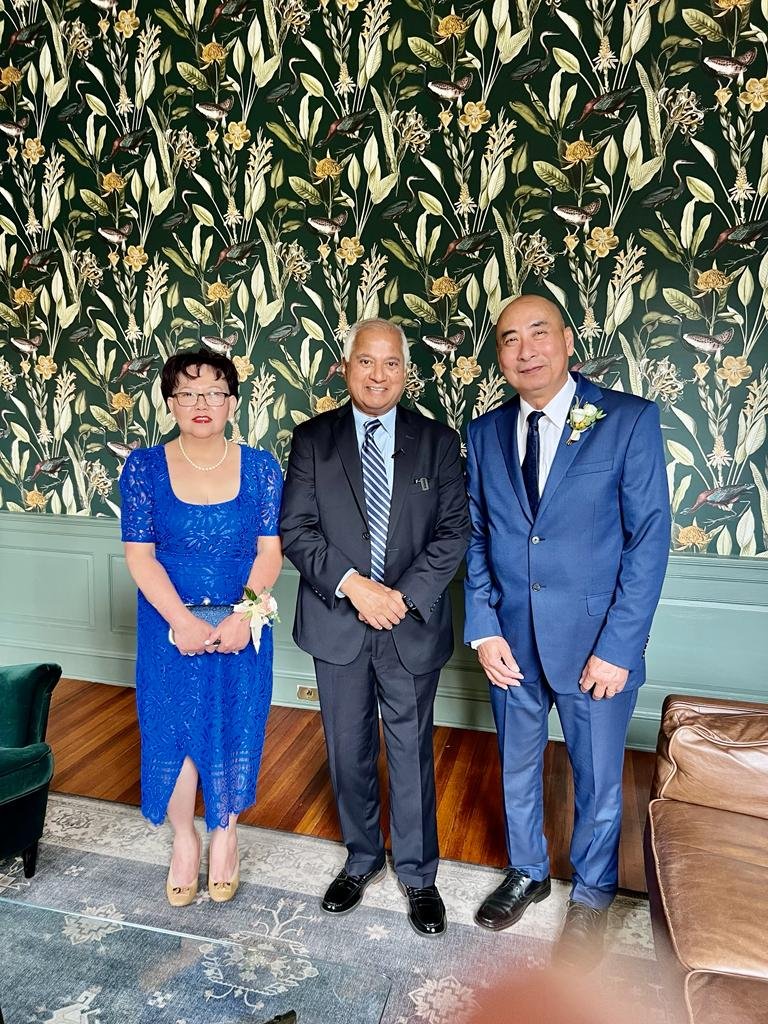
Respect does not require religious compromise.
Differences can be acknowledged without becoming divisions.
The ceremony can reveal what both people already hold sacred.
Families grow closer when they learn about one another sincerely.
Respecting the otherness of the other helps families move from concern to understanding.
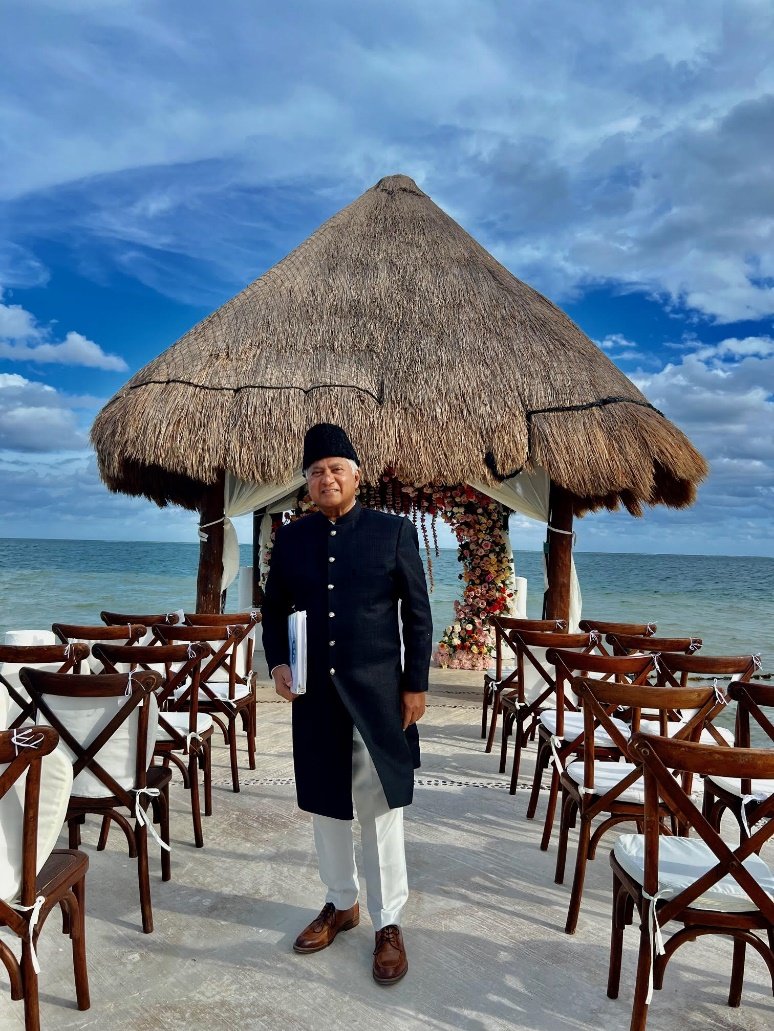
The ceremony is not a script. It is a room he knows how to hold.
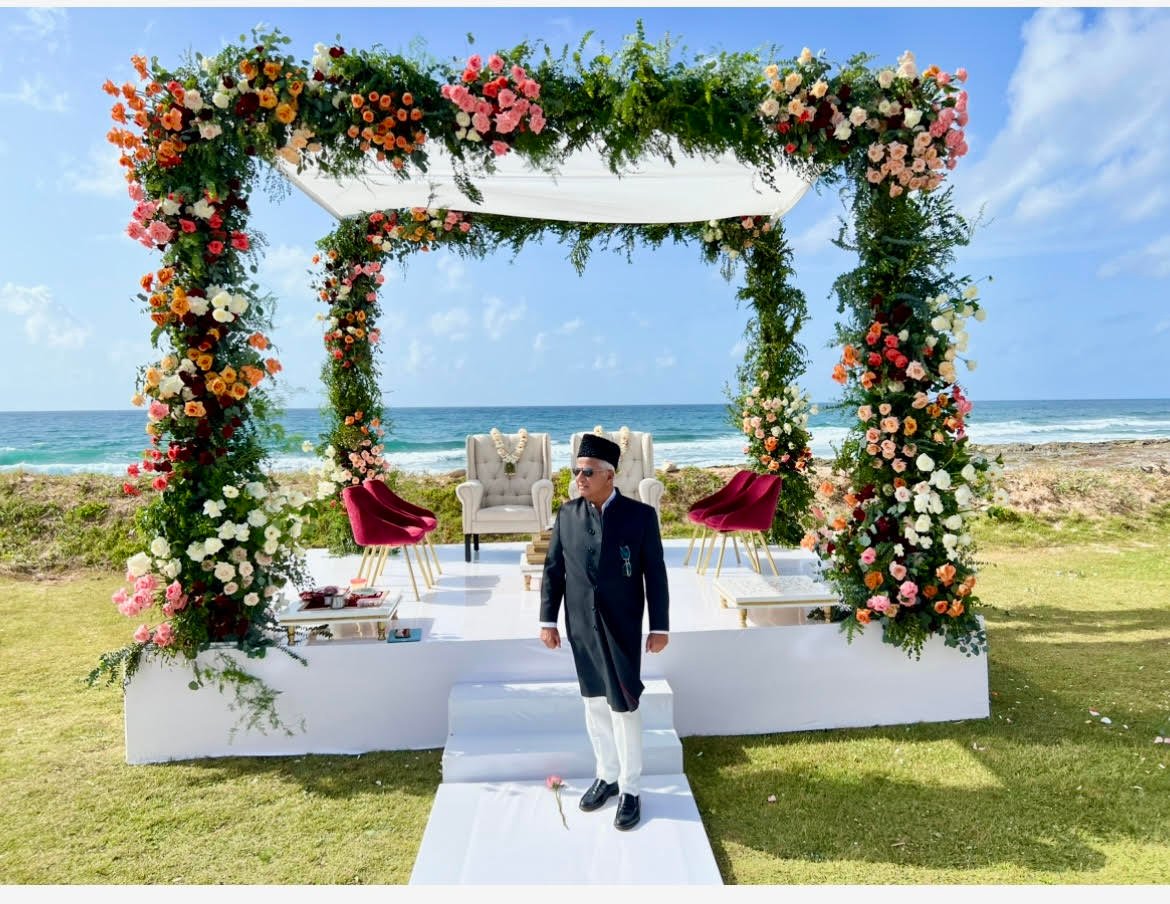
Dr. Mike brings the judgment of a pluralist, the discipline of a social scientist, and the warmth of a bridge-builder who has spent decades bringing people into conversation.
His public work has moved through interfaith dialogue, religious literacy, civic engagement, community conflict, writing, speaking, and public education. That wider experience gives his ceremonies a different quality: careful language, emotional steadiness, and a clear sense of how to make people feel included without forcing sameness.
Couples do not come to him only for formal officiation. They come because the ceremony needs someone who can honor sacred traditions, explain unfamiliar customs, welcome both families, and keep the day centered on dignity, love, and mutual respect.
Founder and officiant for couples creating ceremonies across faith, culture, and family traditions.
Center for PluralismFounder and President, advancing dialogue, religious literacy, and cohesive communities.
World Muslim CongressDirector, working at the intersection of Muslim civic life, understanding, and pluralism.
Author & SpeakerA social scientist and public bridge-builder with more than three decades of civic and interfaith work.
Across 17 years of wedding officiating, Dr. Mike Ghouse has helped couples create ceremonies shaped by faith, culture, race, ethnicity, nationality, language, and family tradition.
As of June 1, 2026, Interfaith Marriages records 626 weddings across 99 ethnicities, 13 faith traditions, 4 racial backgrounds, and 77 cities, including in-person, virtual, and destination ceremonies.
View Full Statistics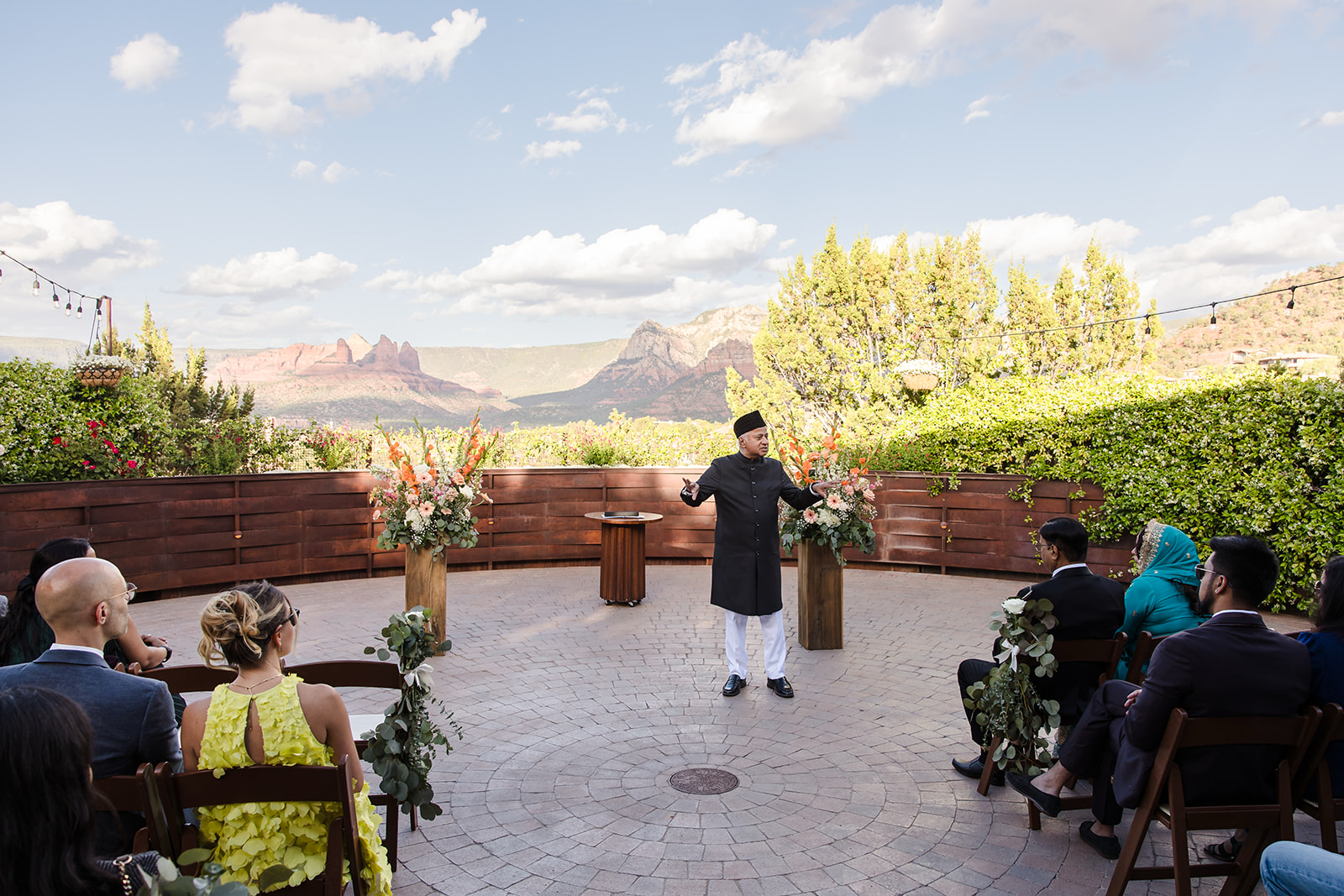
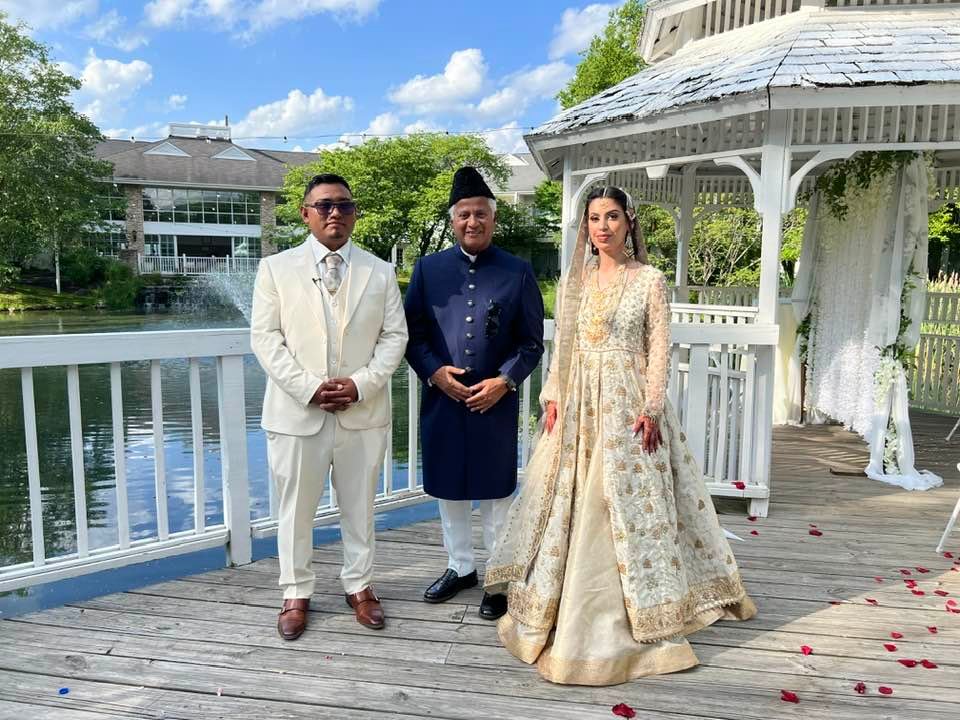
Experience is not repetition. It is knowing how to honor every story as its own.
A focused sample from the full June 2026 statistics, showing the range of couples and families Dr. Mike has served.

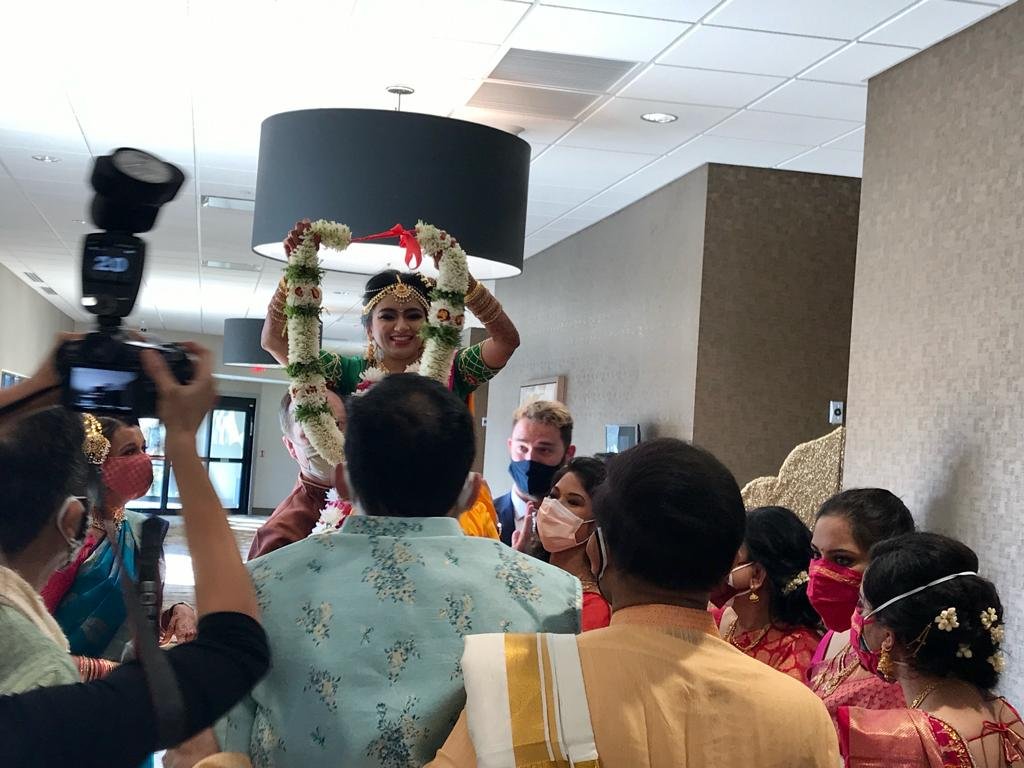
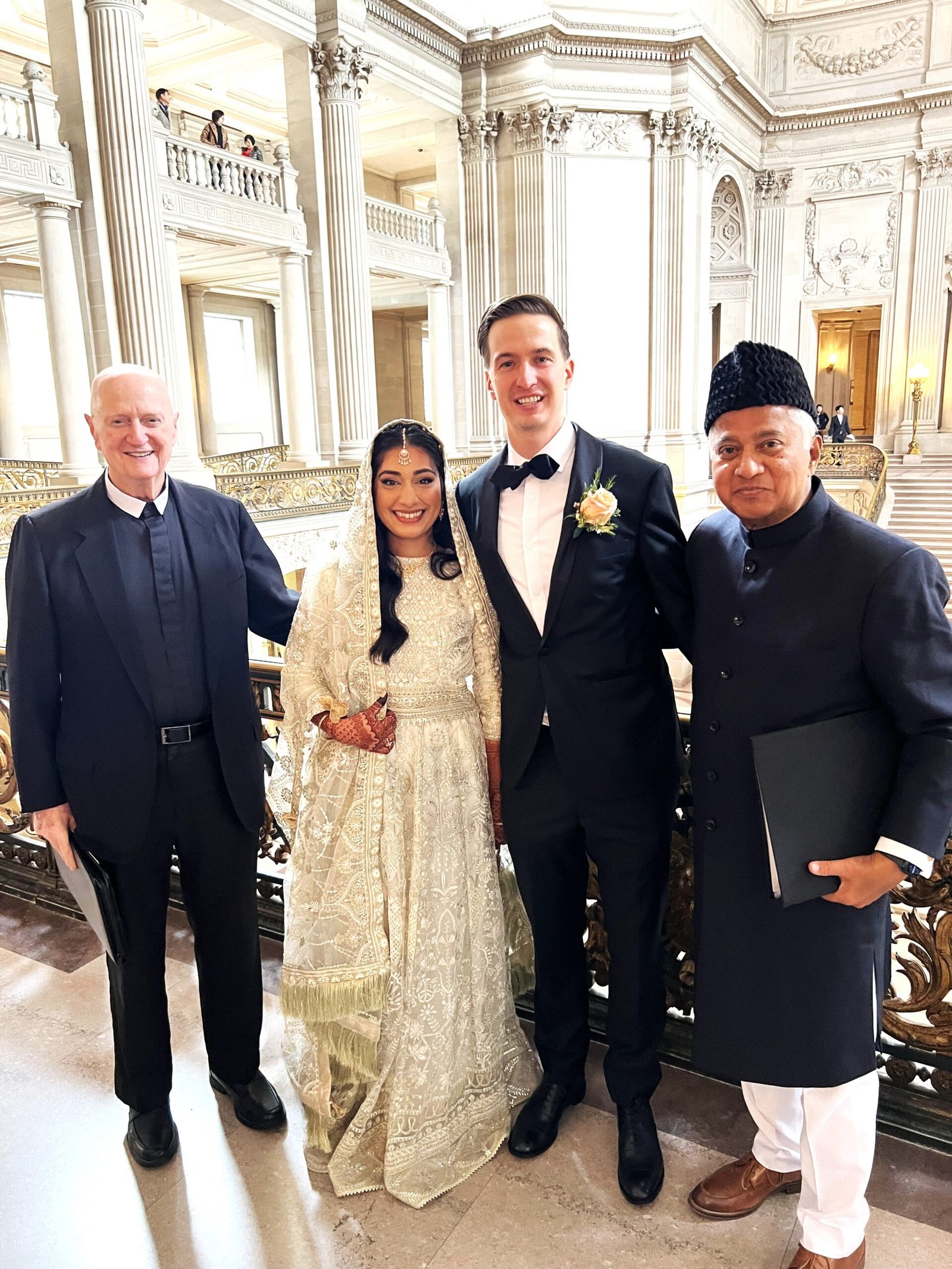
No two couples arrive with the same story, and no ceremony should feel copied from someone else’s wedding.
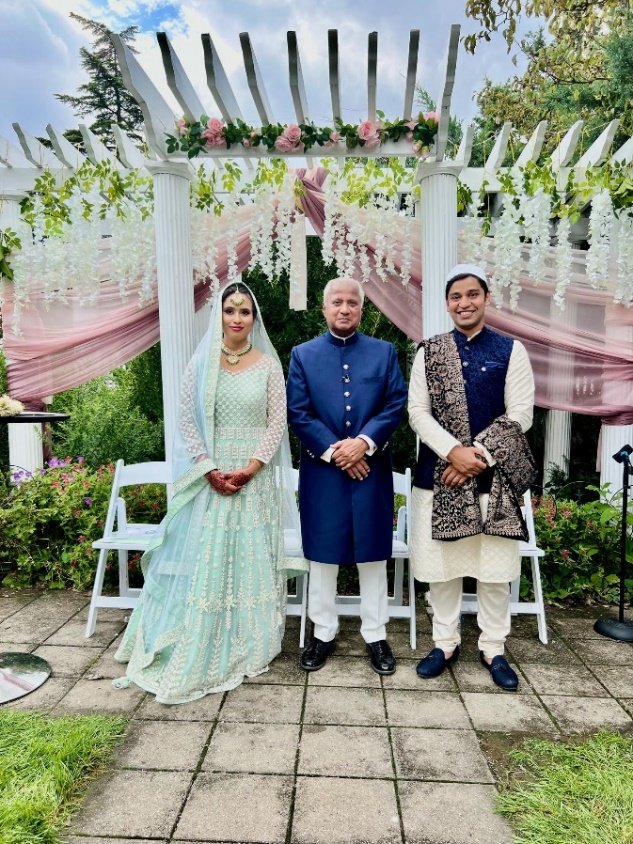
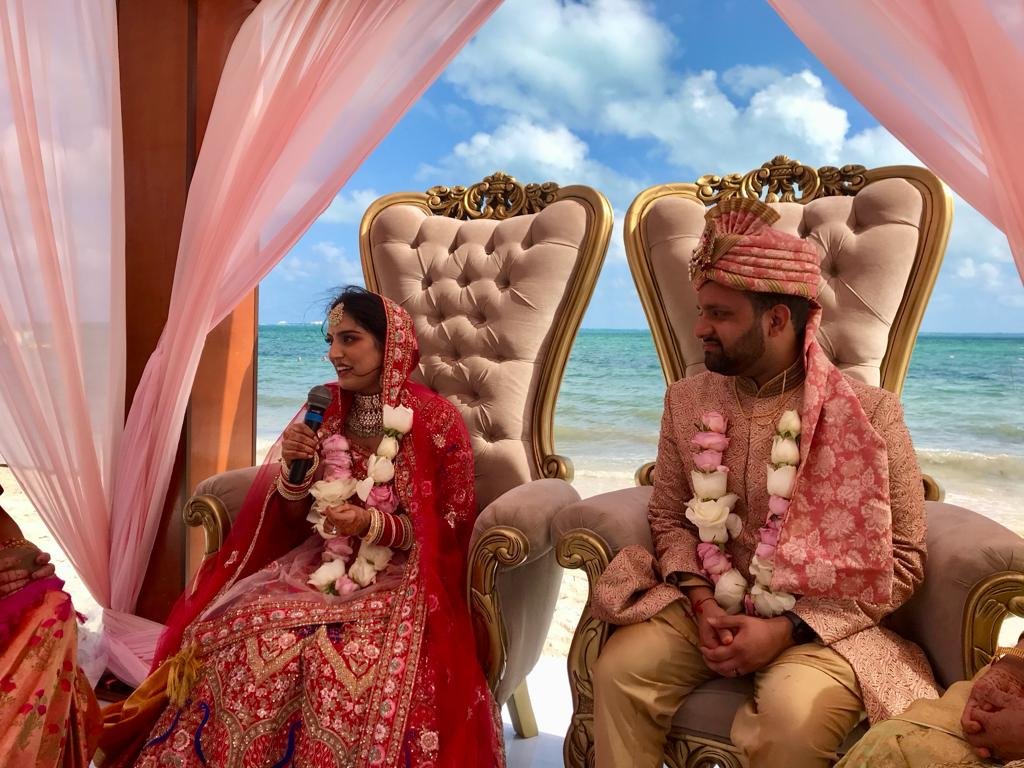
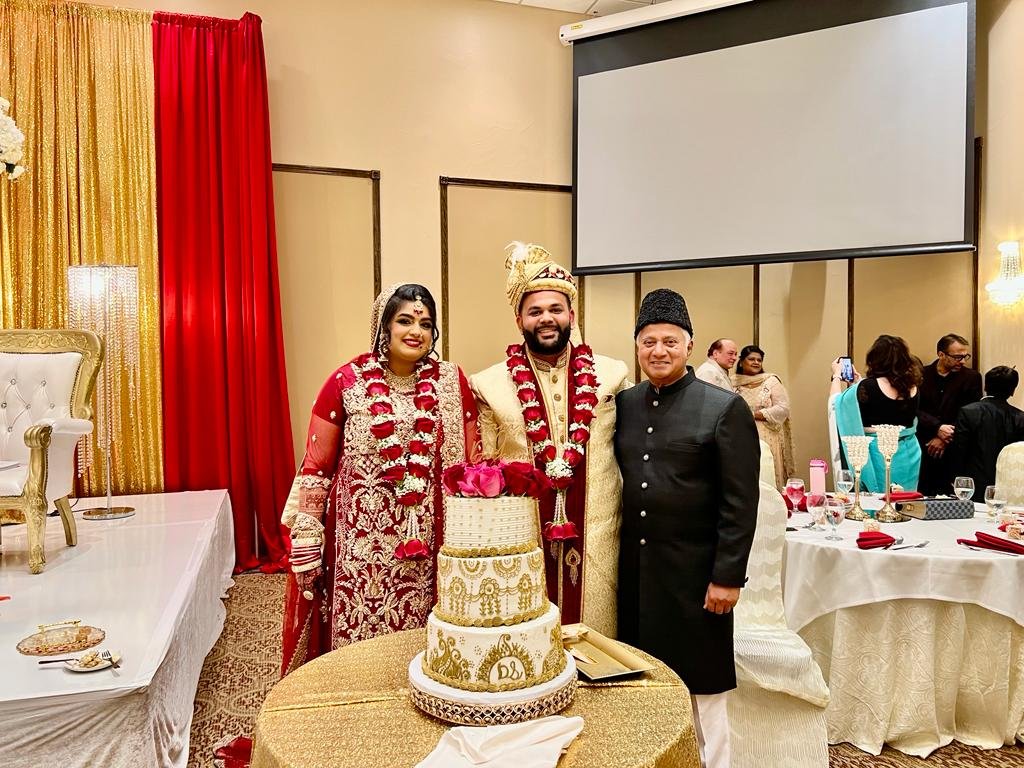
Some couples want prayers from both traditions. Some want a civil ceremony with a spiritual tone. Some want a Nikah element, a Hindu garland exchange, a Christian reading, Jewish blessings, family customs, personal vows, or a simple and dignified “I do” before the people they love.
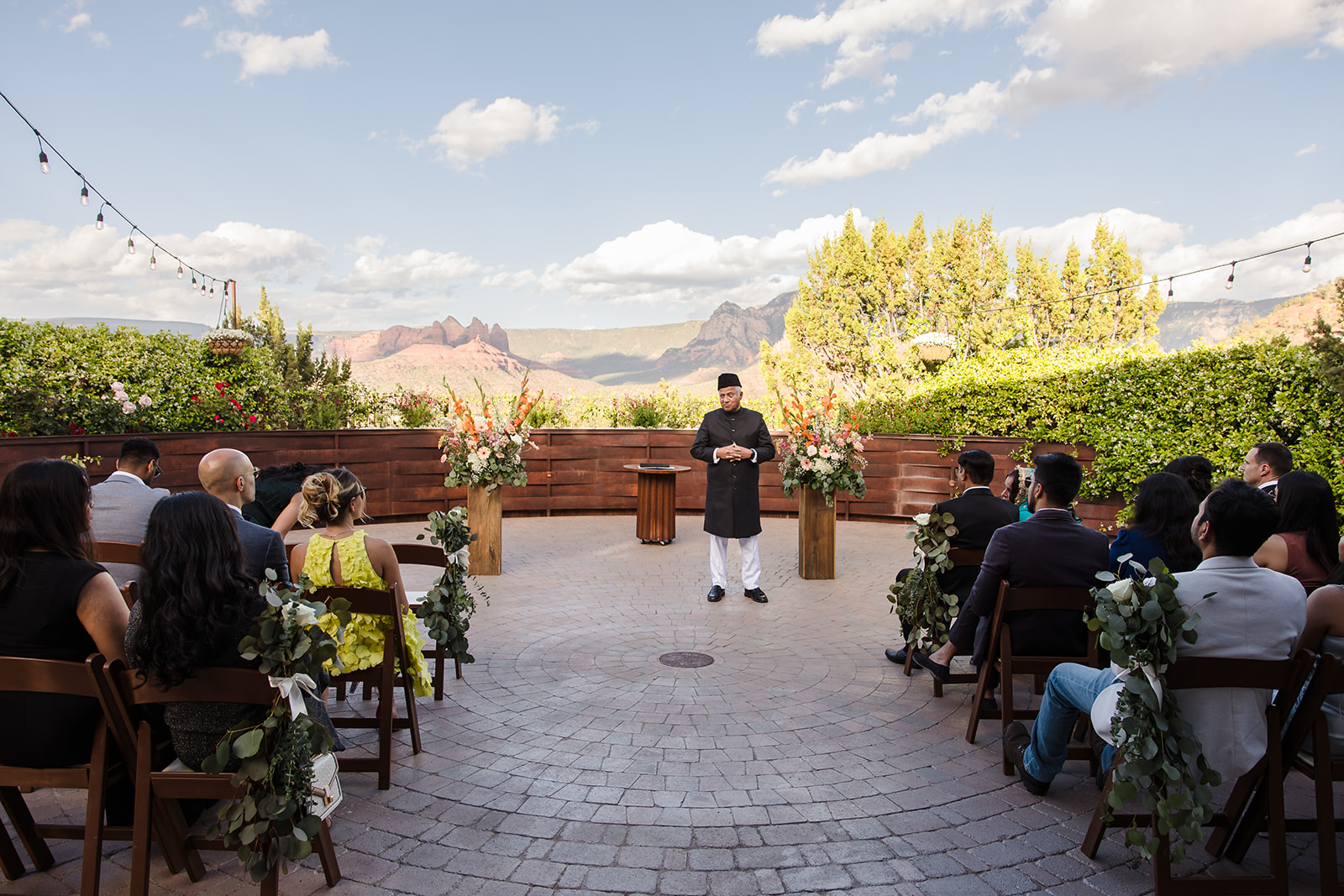
Dr. Mike works with each couple to shape a ceremony that feels natural, respectful, and true to them: intimate or grand, traditional or modern, religious or secular, in a home, garden, chapel, ballroom, destination venue, online gathering, or another meaningful place.
The goal is not to include everything. The goal is to include what matters.
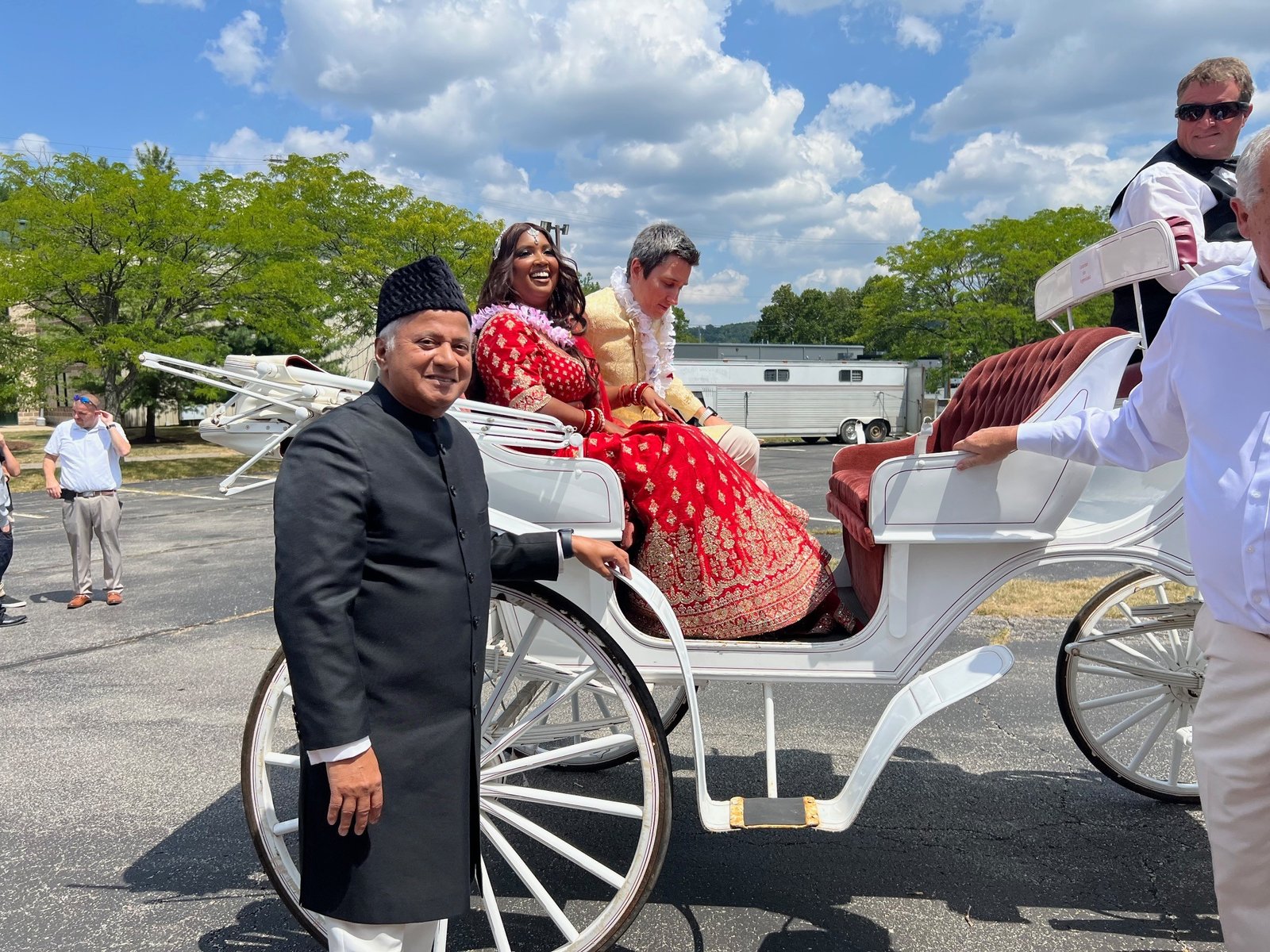
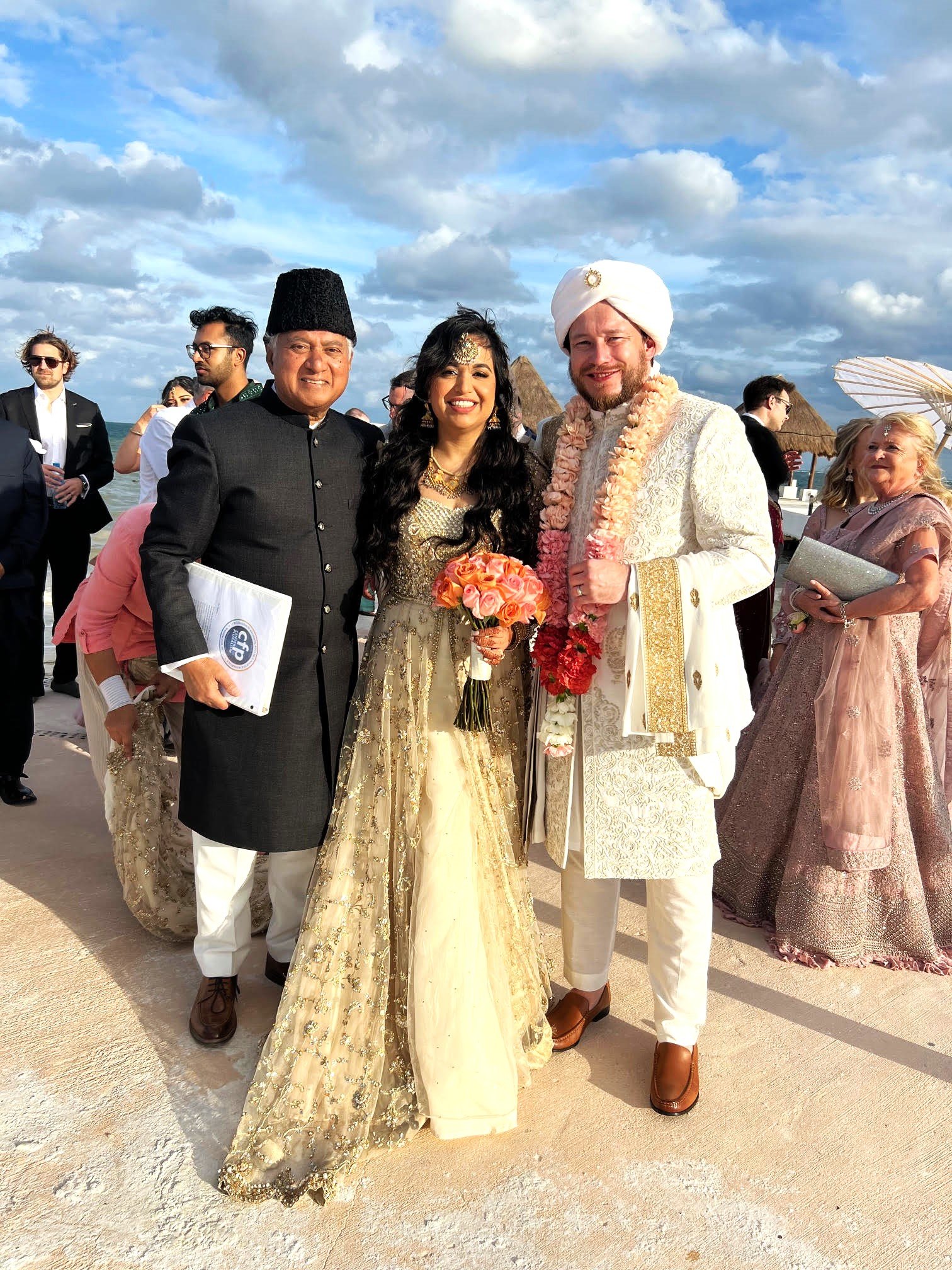
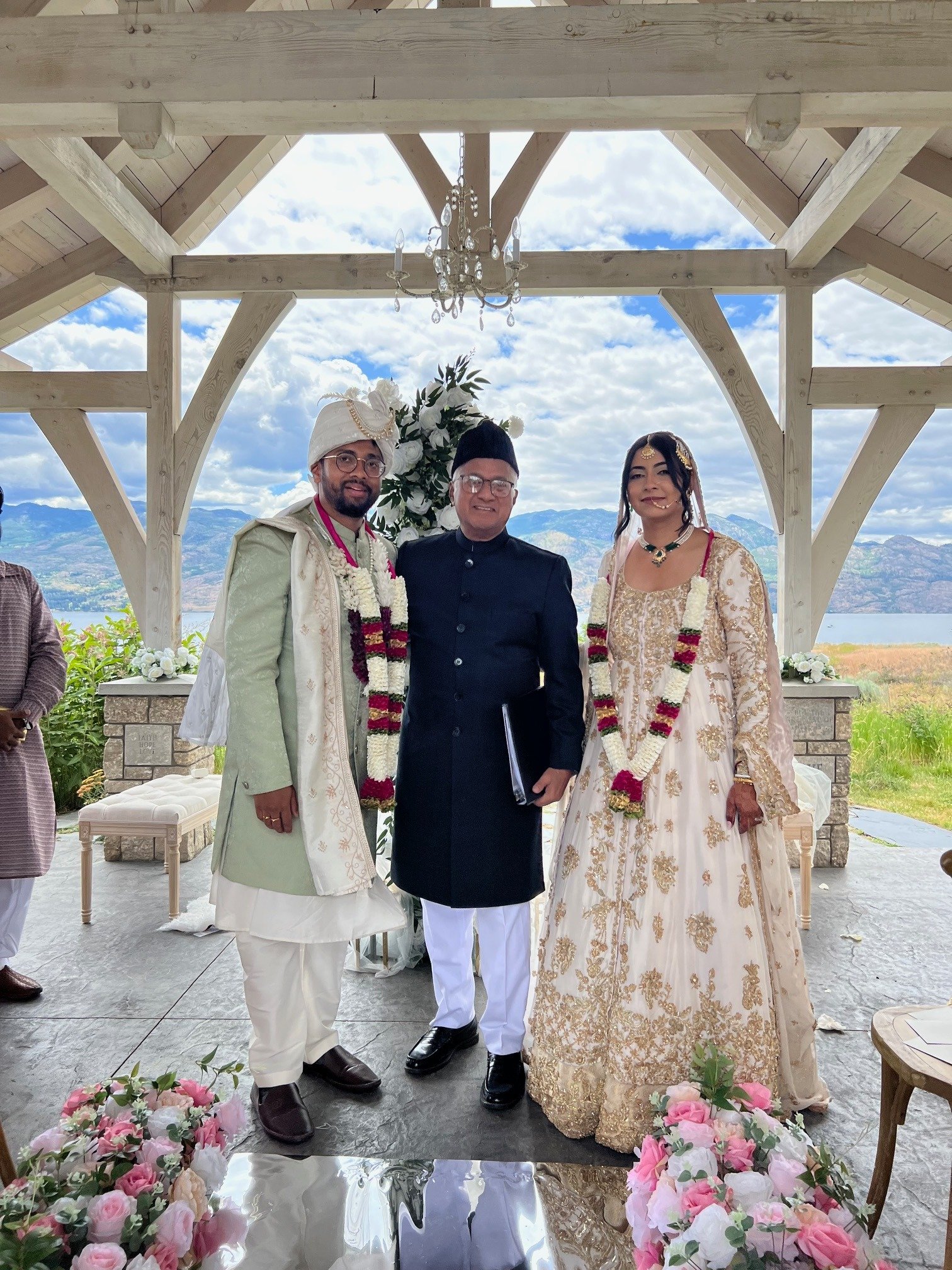
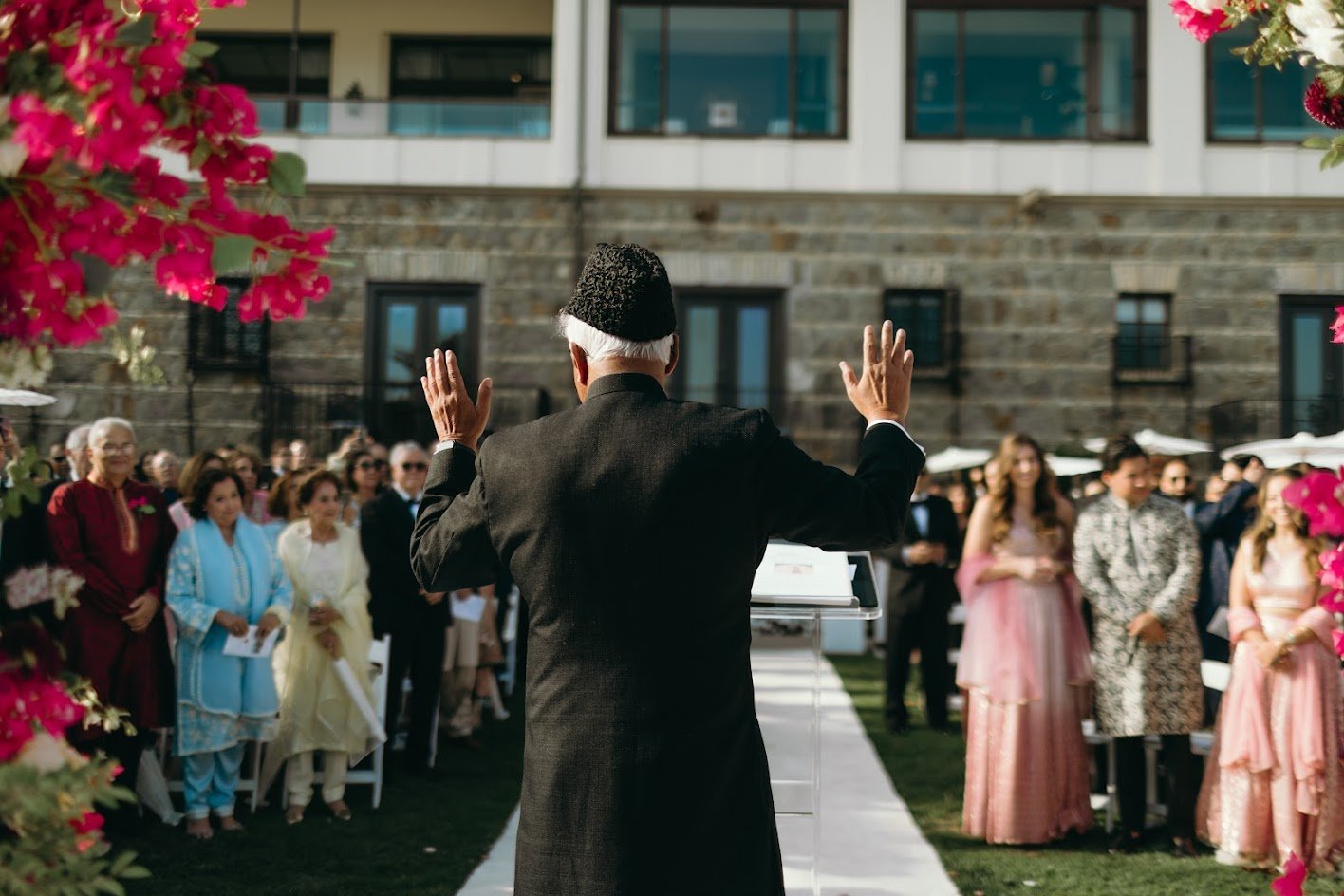
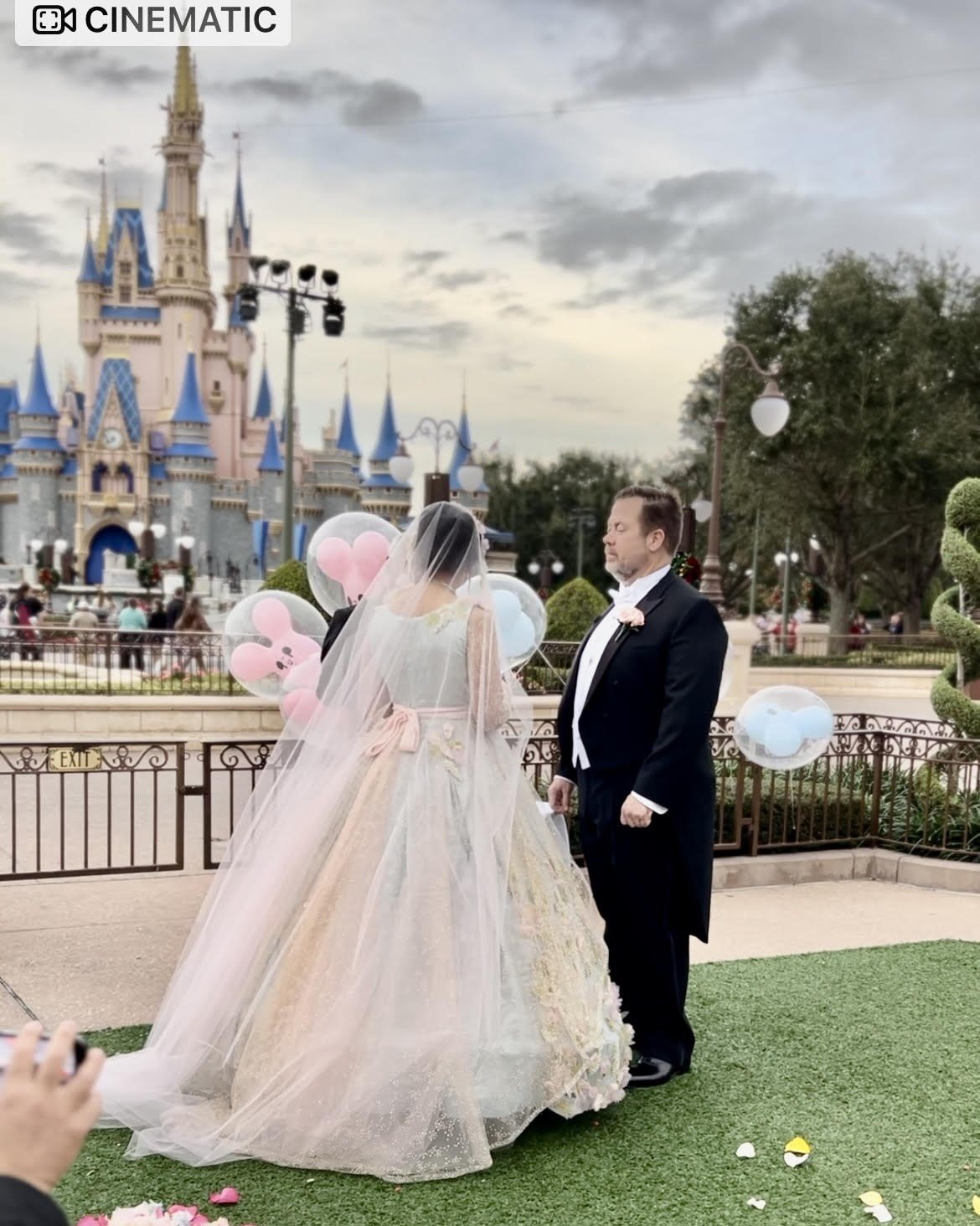
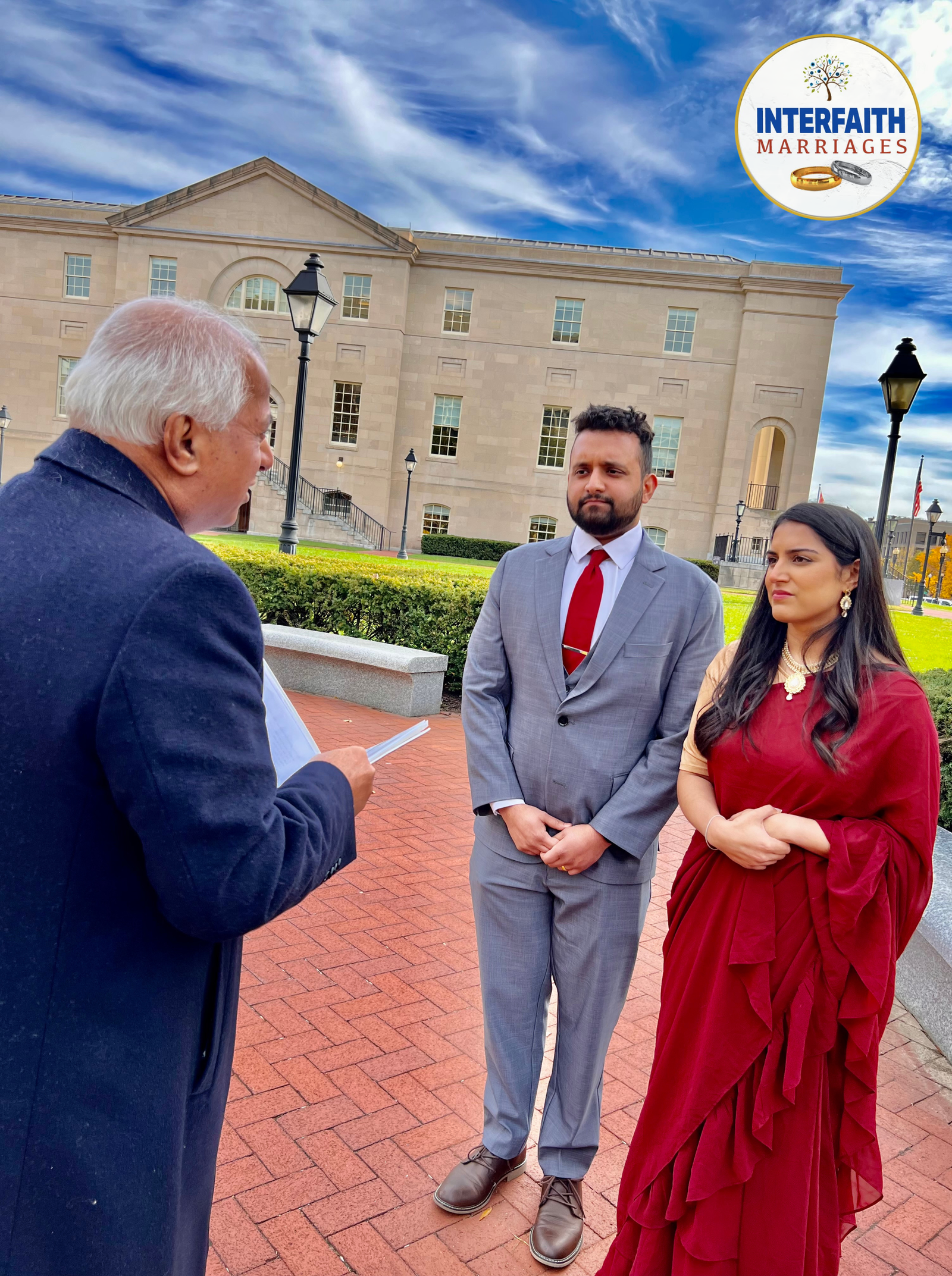
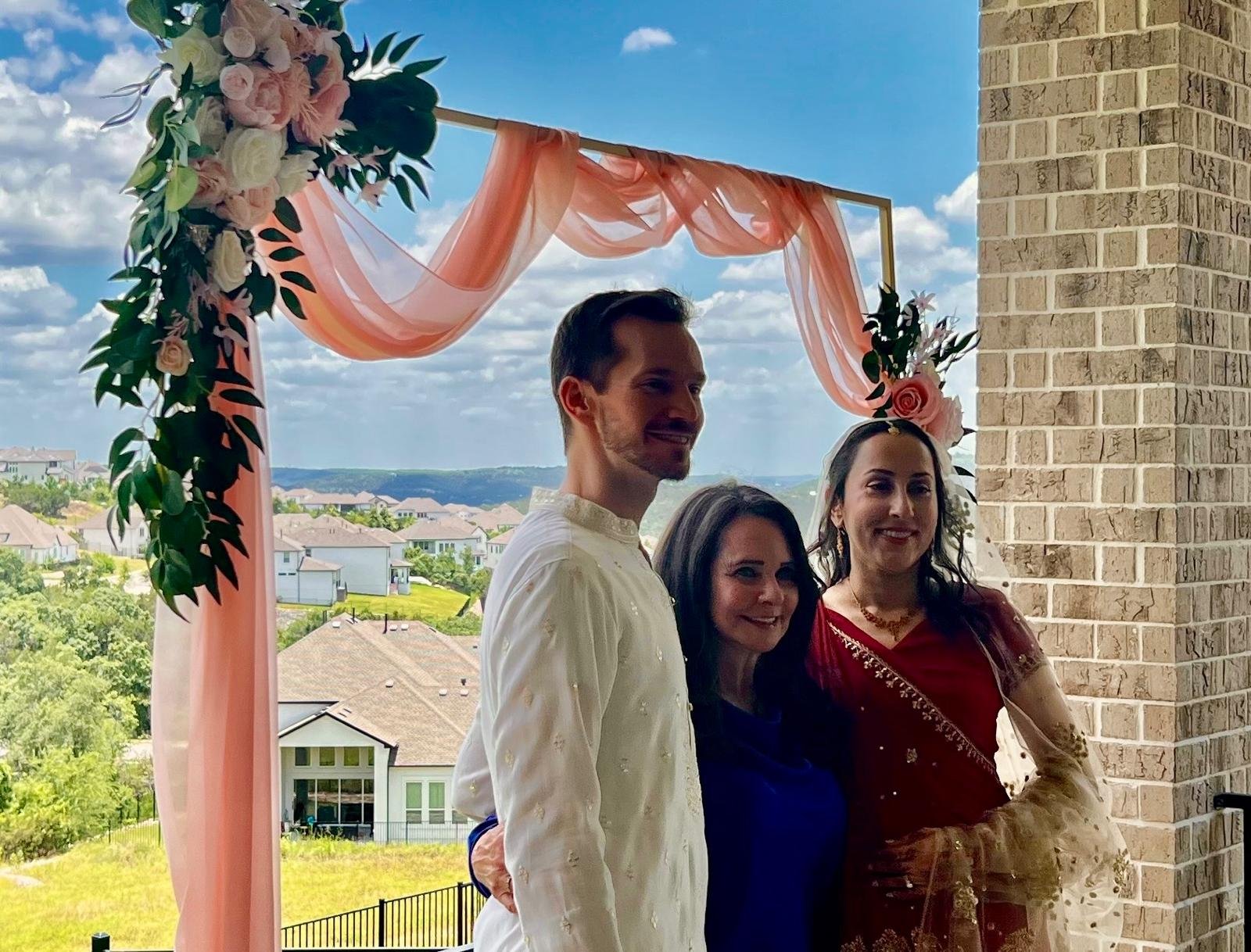
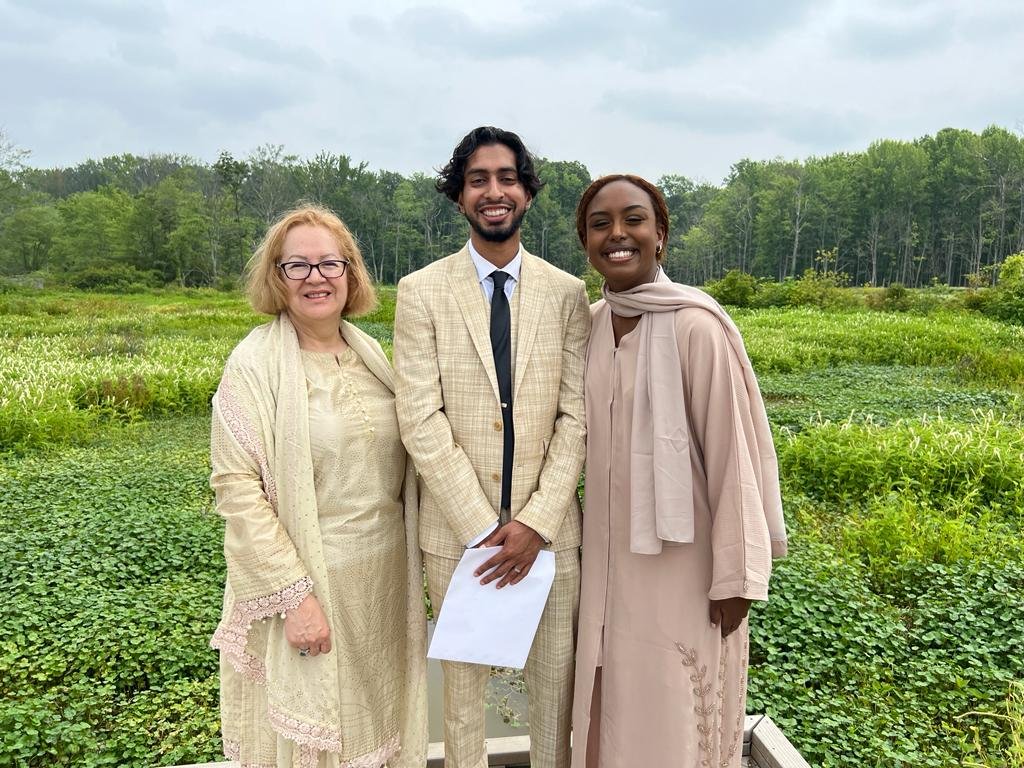
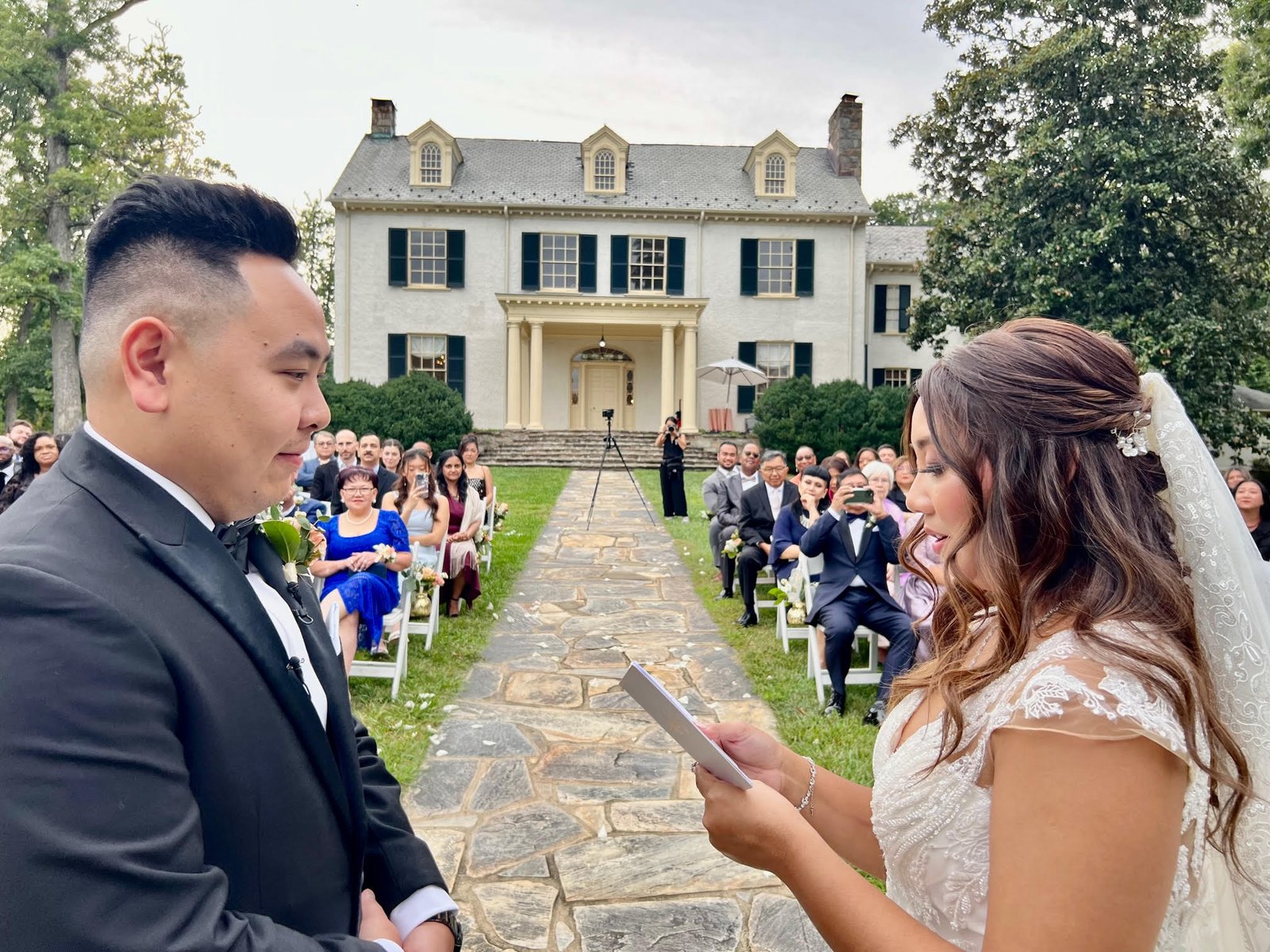
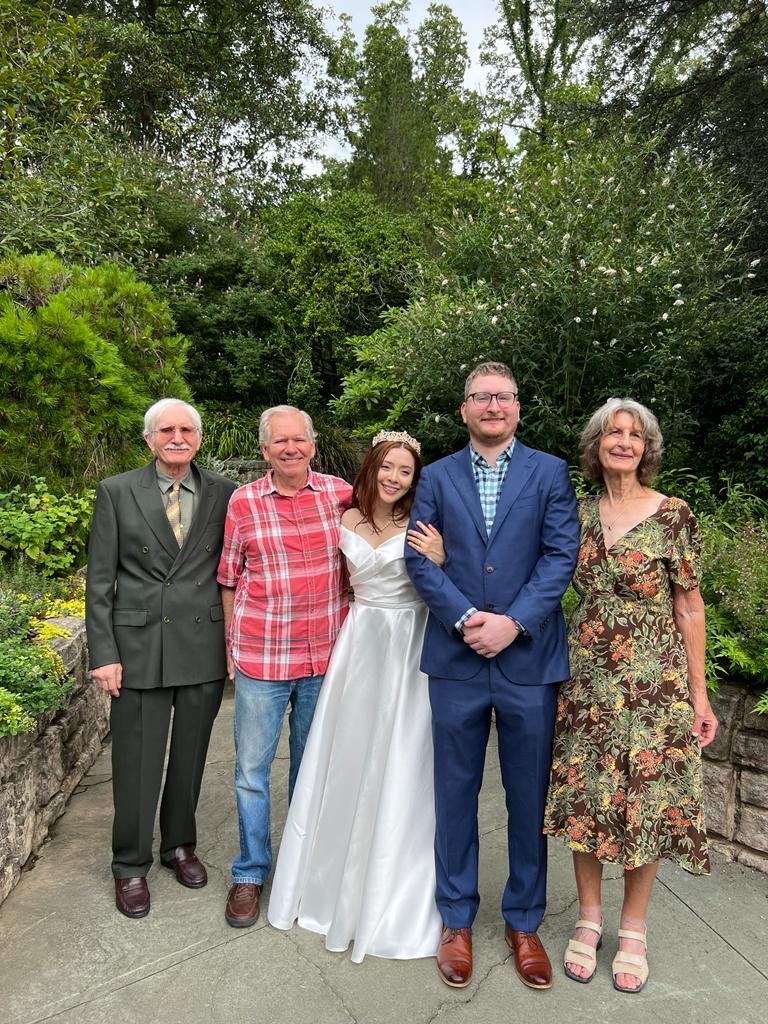
Photos show the beauty of the day, but video reveals the pace, warmth, and emotion of a ceremony shaped around the couple’s story.
Every element is selected with intention. Dr. Mike helps couples decide what belongs, what needs explanation, and how each tradition can be honored with dignity.
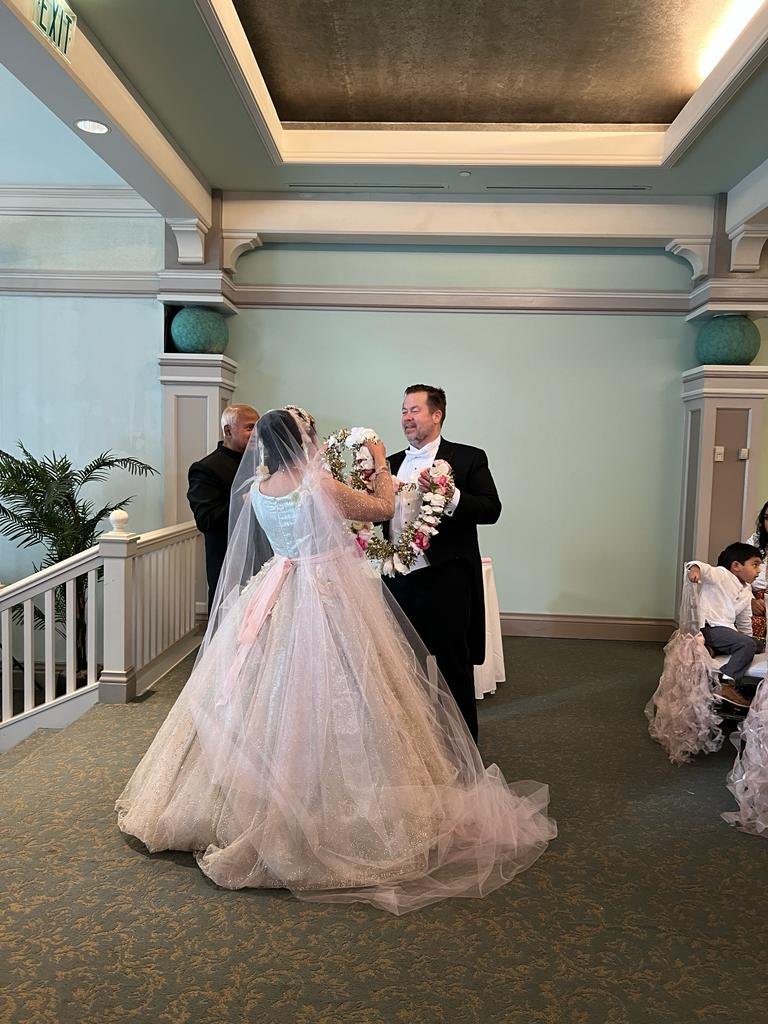
Ring exchanges, garlands, unity candles, and other gestures can be included when they carry meaning for the couple.
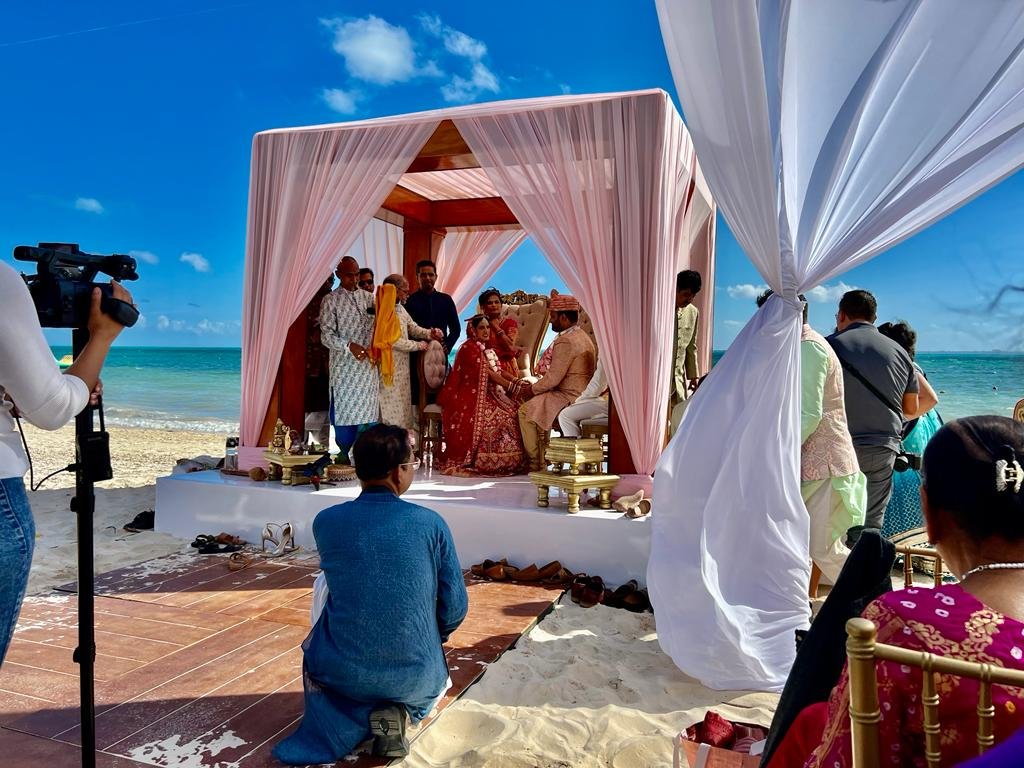
A visual moment of joining, blessing, and family participation, especially useful when guests come from different traditions.
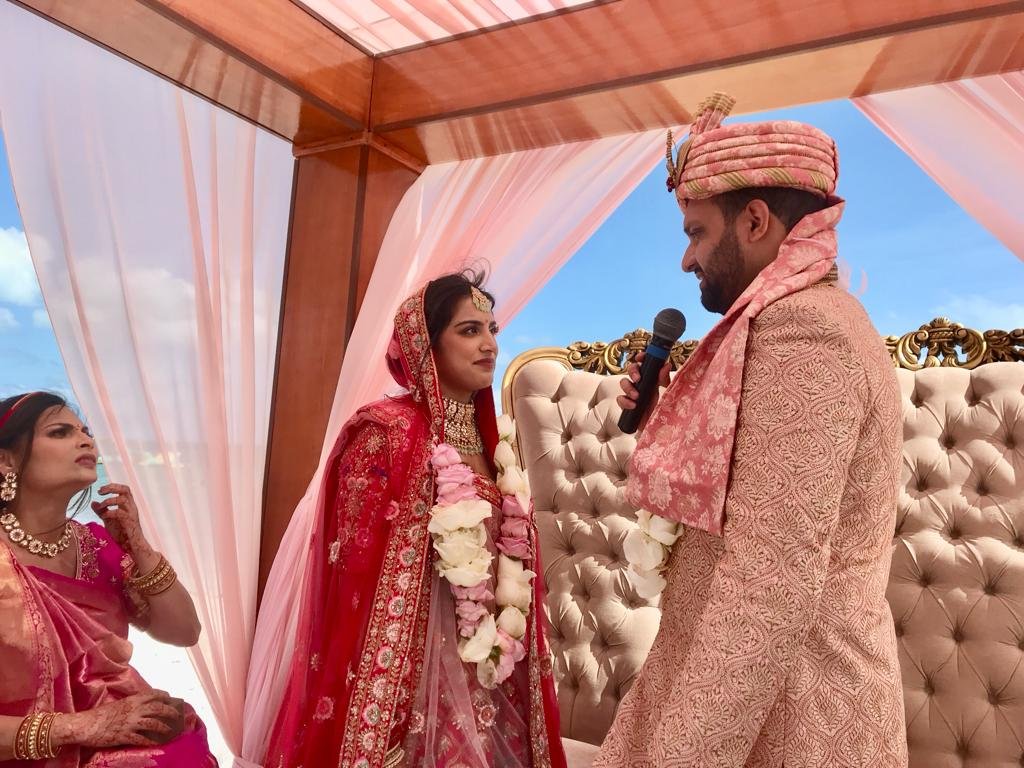
Personal vows, “I do,” “Qabool hai,” or another form of acceptance can be shaped around the couple’s language and comfort.
Dr. Mike can work alongside clergy from another tradition, including priests, rabbis, pandits, imams, and other faith leaders.
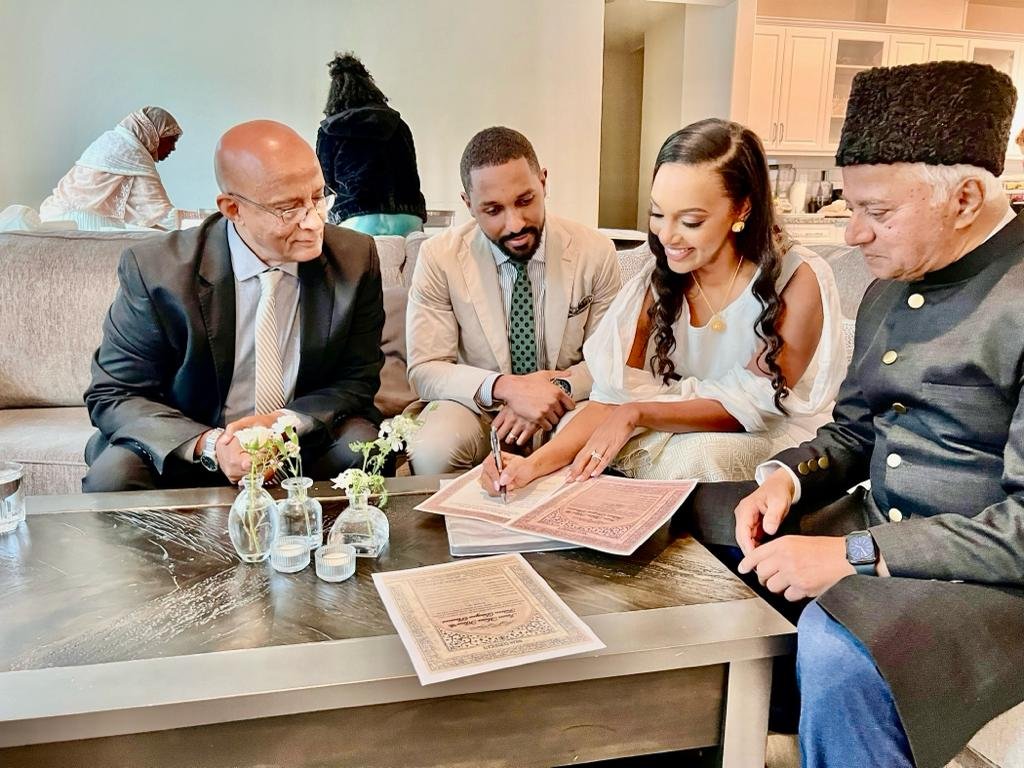
The legal/document signing moment can be included with clarity, dignity, and the right witnesses present.
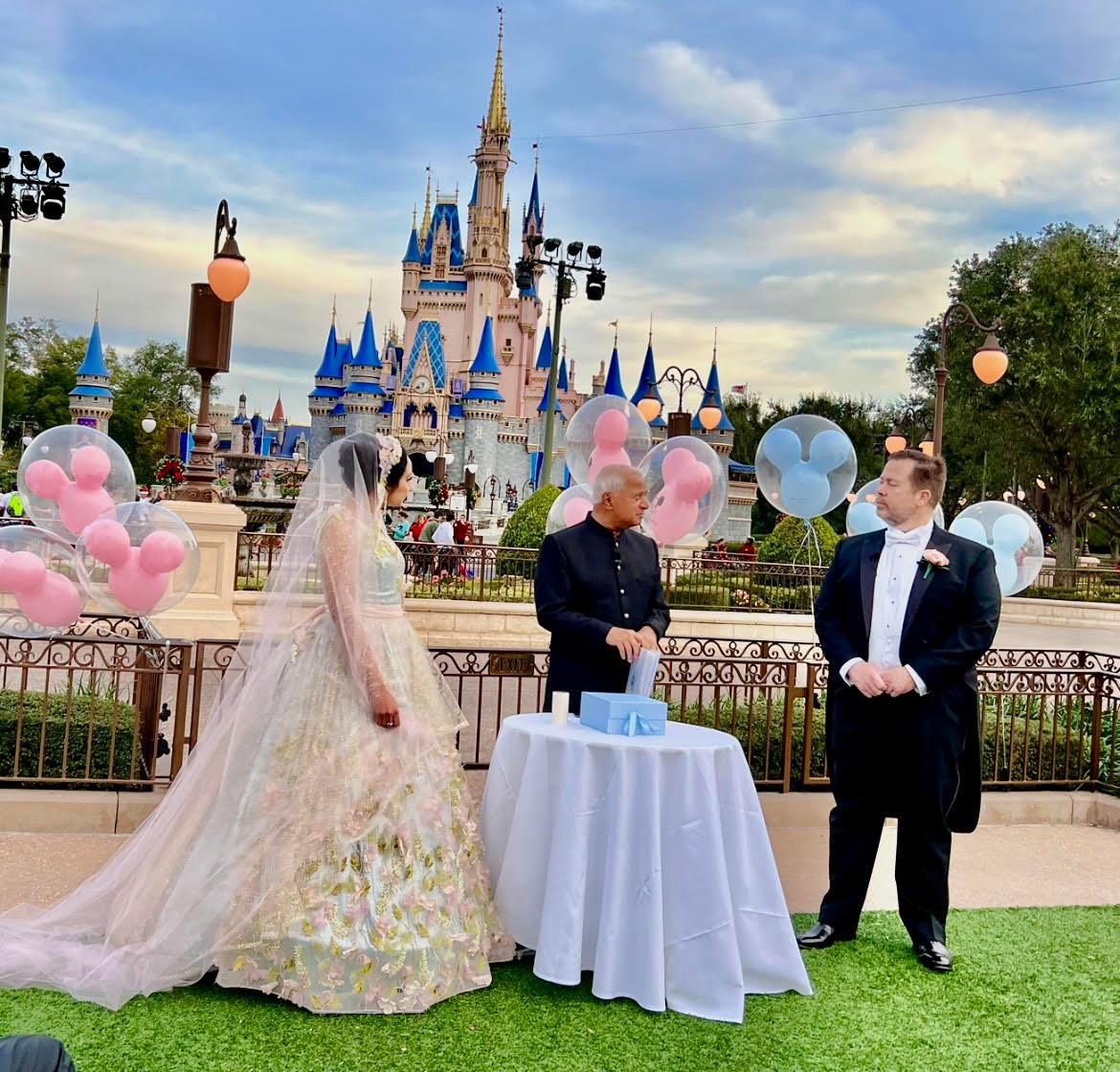
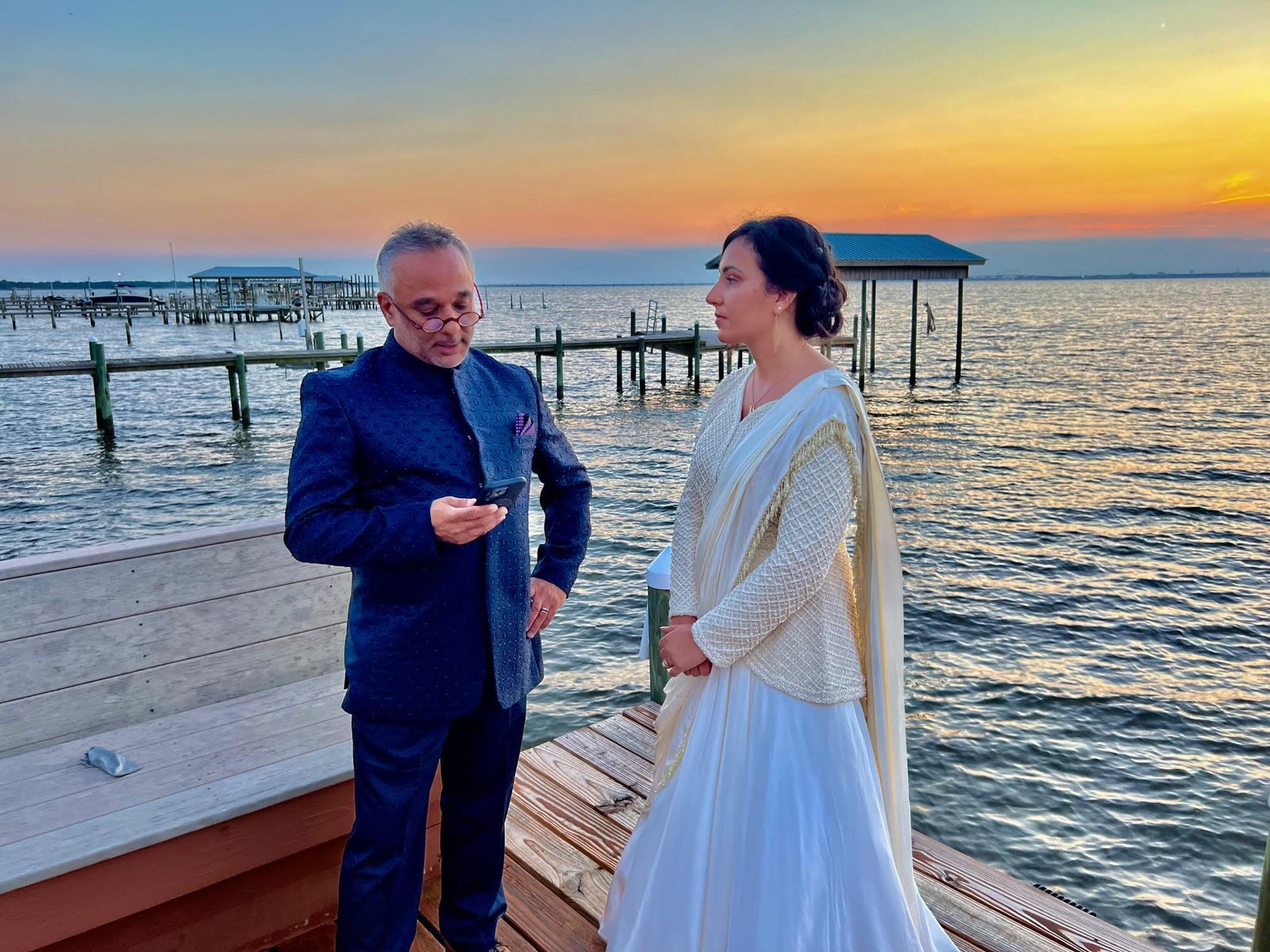
From homes and gardens to destination venues, the ceremony can travel to the place that holds meaning for the couple.
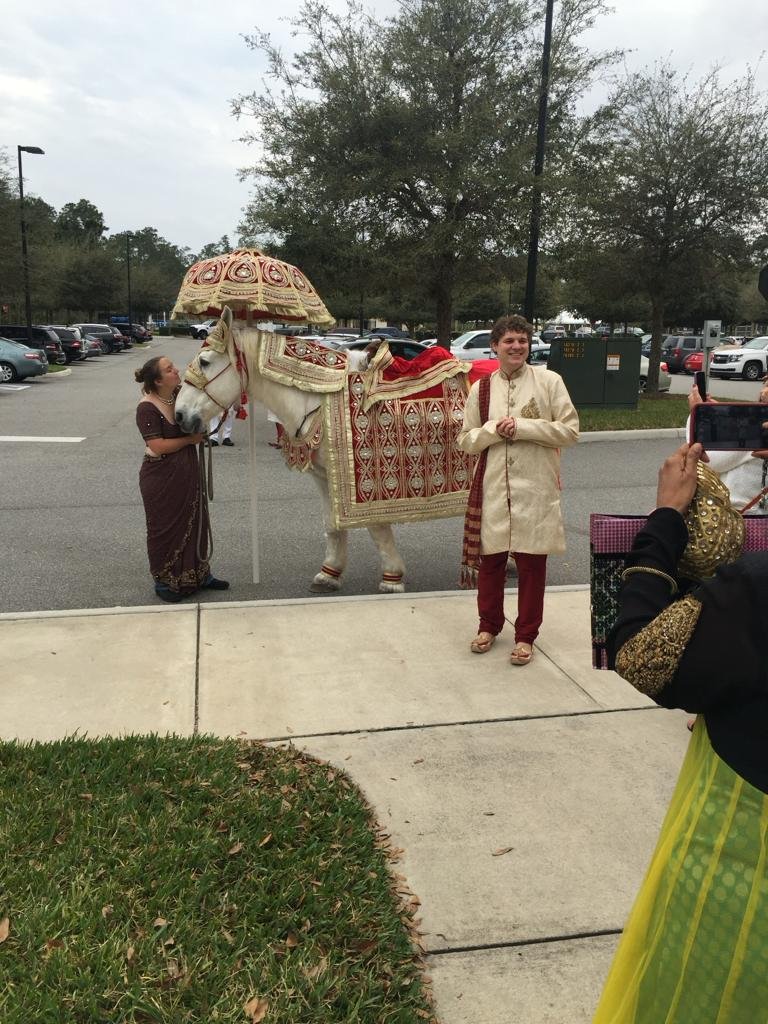
Entrances, blessings, readings, and family gestures can be woven into the ceremony without making it feel crowded.
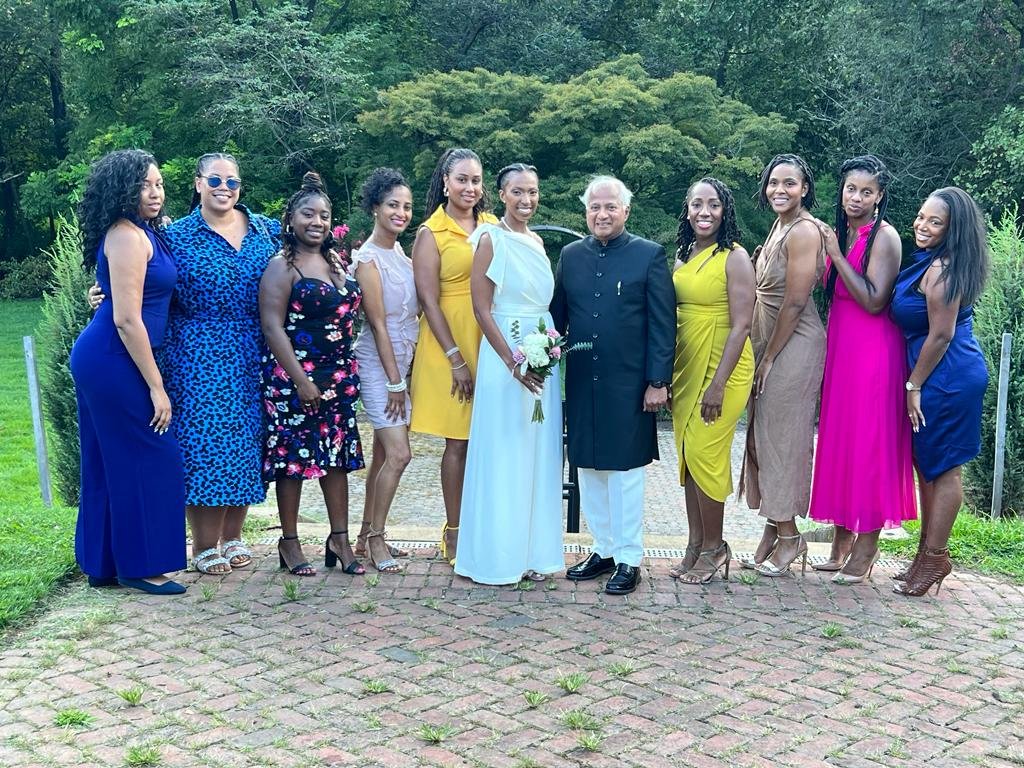
Guests can be welcomed with translations, context, and a message that helps everyone understand what they are witnessing.
The ceremony may be interfaith, intercultural, civil, secular, spiritual, virtual, intimate, public, local, or destination-based. The form follows the couple’s story.
Dr. Mike does not rush couples toward a ceremony. He first takes time to understand the relationship.
Before anything is written, Dr. Mike listens to the couple’s story, their values, their faith and cultural backgrounds, their family expectations, and any sensitive concerns that may need careful handling. Compatibility is central to this process: he wants to know that the couple understands one another, respects one another, and is prepared for the life they are choosing together.
This is why his role goes beyond officiating. He helps couples think through shared values, family concerns, communication, traditions, and the emotional realities of an interfaith union. When needed, he also speaks with parents or family members, helping them move from fear or hesitation toward understanding.
If serious compatibility concerns remain unresolved, Dr. Mike may decline to officiate rather than rush a couple into a ceremony that does not feel right. The goal is not simply to conduct a wedding. The goal is to help the couple begin marriage with clarity, dignity, and confidence.
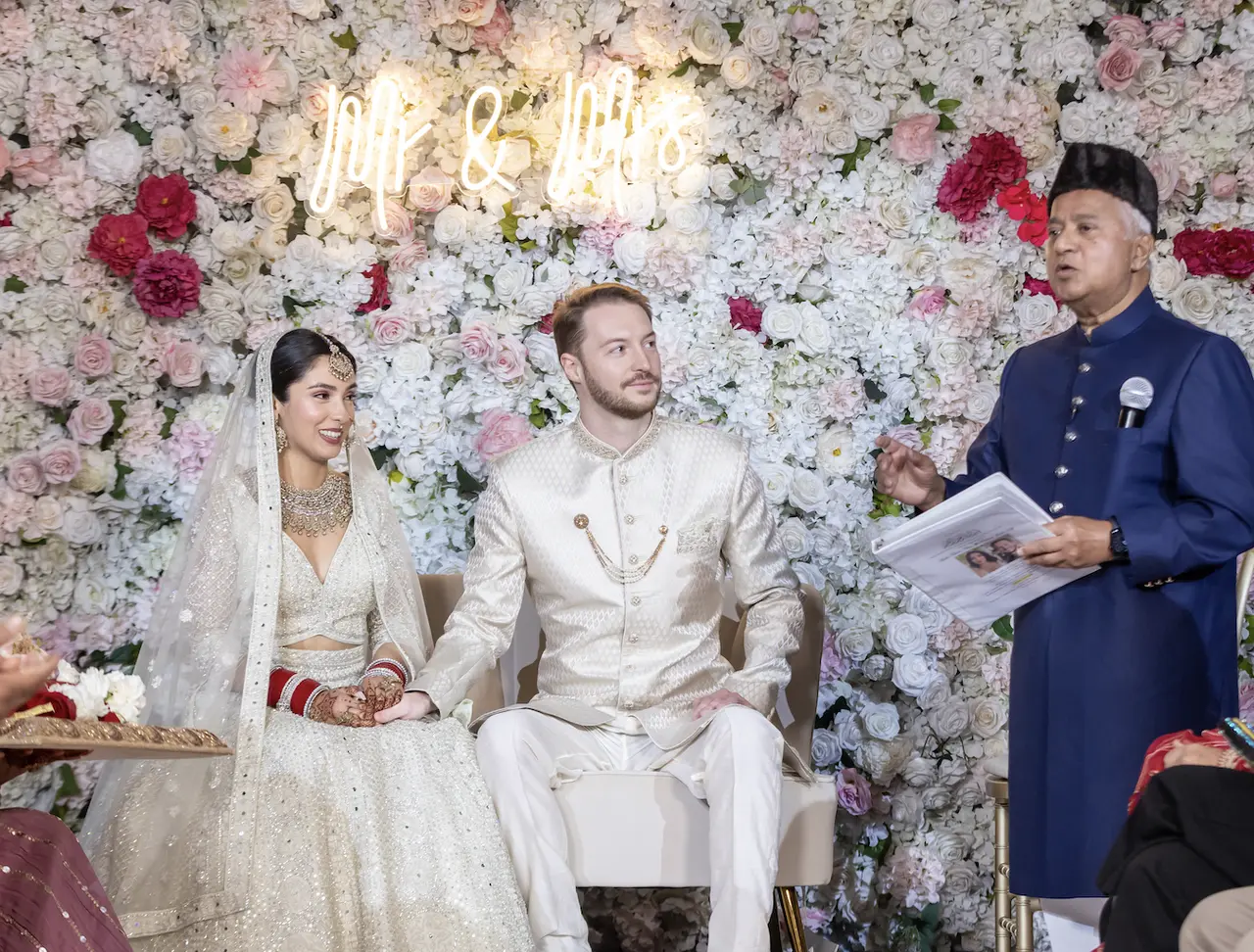
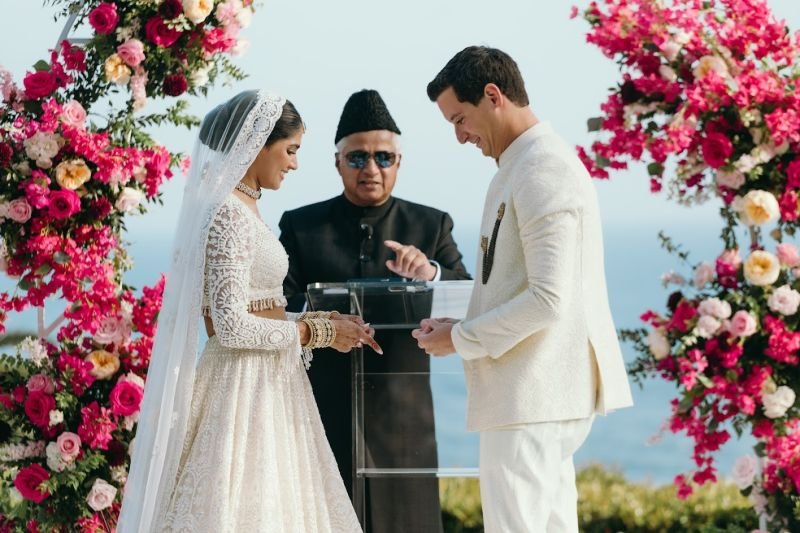
The ceremony is shaped only after the couple, the families, and the concerns are understood.
The process begins with understanding, not paperwork. Dr. Mike learns the couple’s story, beliefs, backgrounds, family dynamics, concerns, values, and hopes for married life.
He also pays attention to compatibility, shared values, emotional readiness, and any family concerns that may need to be addressed before the ceremony moves forward.
When parents or family members are hesitant, Dr. Mike can help open the conversation. He listens to concerns, explains the couple’s intentions, and helps families understand one another with dignity.
This guidance may include conversations about traditions, religious expectations, ceremonies, festivals, children, communication, and the values the couple will build around.
Only after the relationship, families, and expectations are understood does the ceremony take shape. Dr. Mike prepares a personalized structure and script that reflects the couple’s story.
The ceremony is reviewed, revised, and confirmed before the wedding day, so the couple knows exactly what will be said, included, explained, and honored.
It means the ceremony has been carefully prepared around the couple’s compatibility, family realities, traditions, and future life together.
An interfaith wedding often brings two families into the same room carrying different memories, hopes, prayers, and fears.
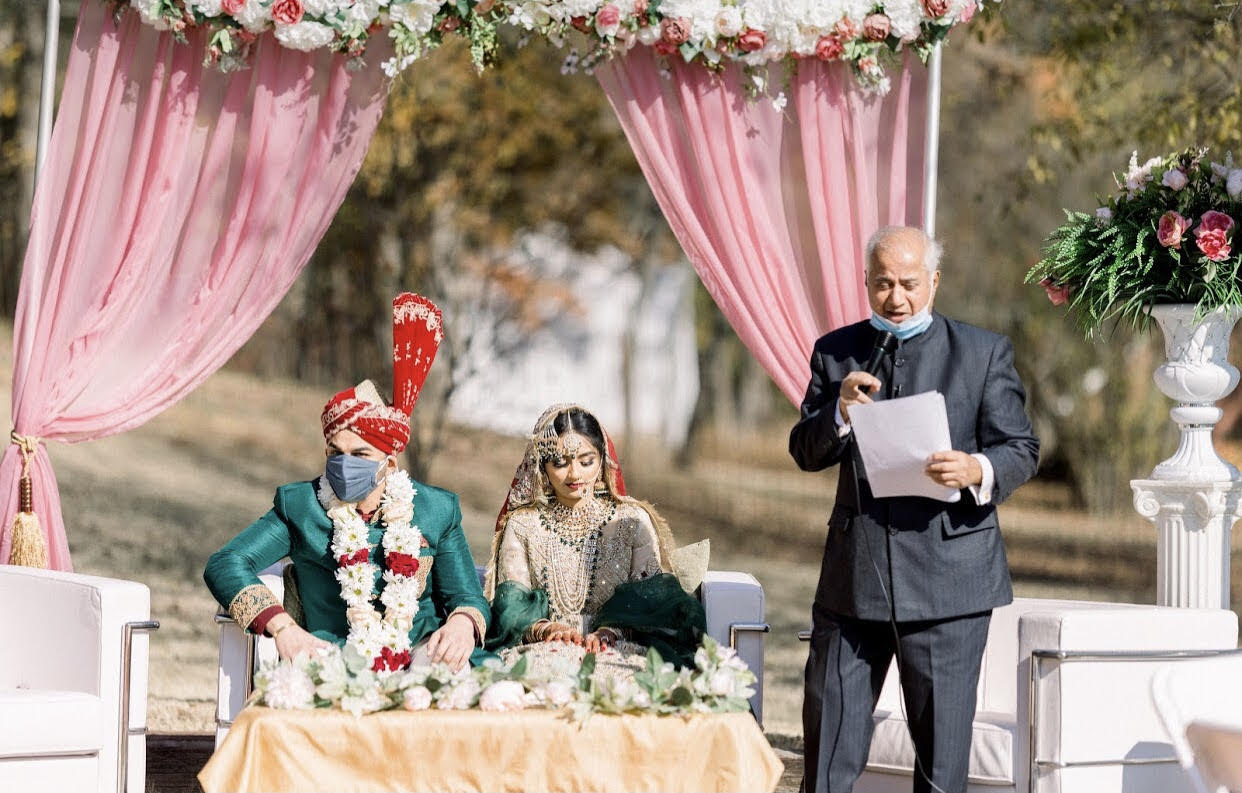
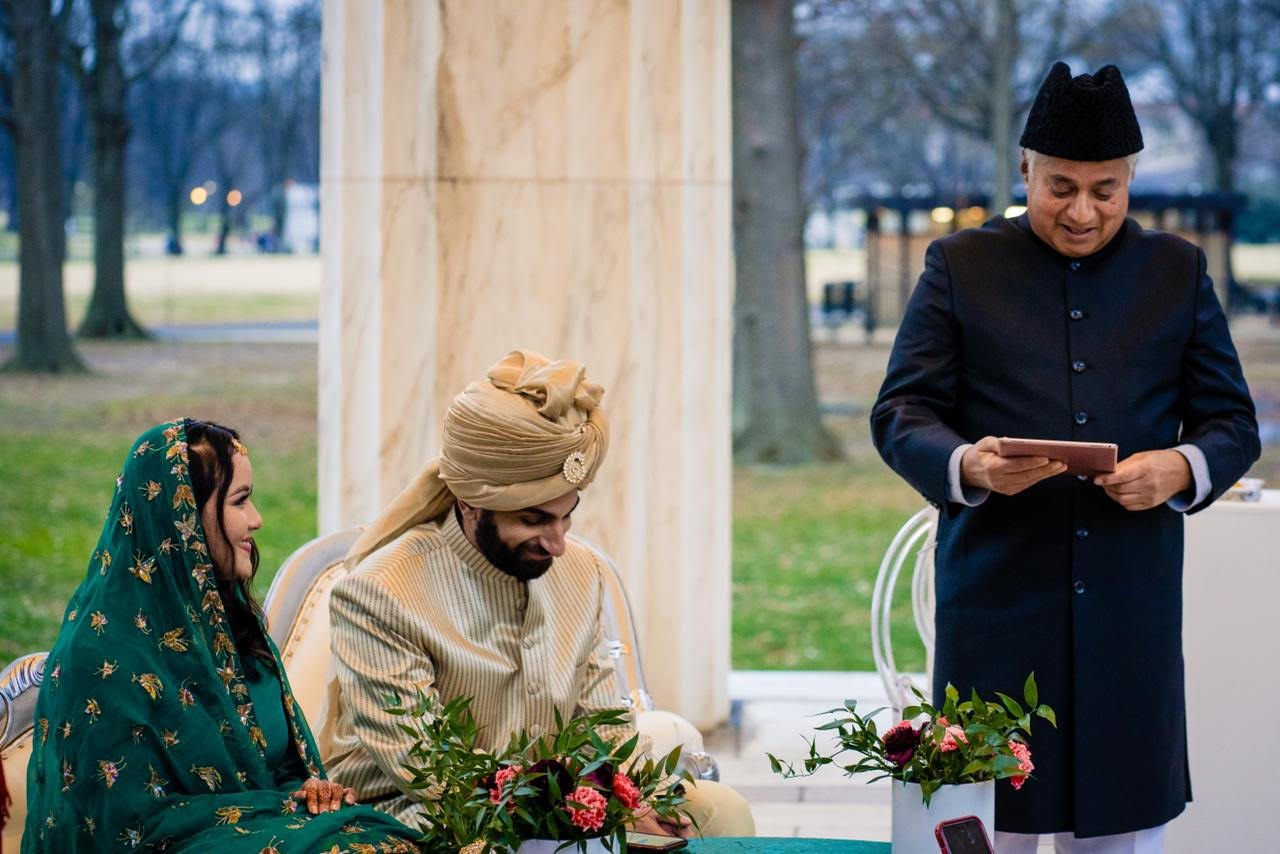
The most beautiful interfaith ceremony is not one where differences disappear. It is one where both families feel honored.
Parents may wonder whether their child’s faith will be forgotten. Relatives may worry that culture, language, rituals, or family continuity will be lost. Some may not know how to participate in a ceremony that includes unfamiliar words, blessings, customs, or clergy.
Dr. Mike understands that these concerns are rarely about rejection alone. Often, they are about love, identity, belonging, and the fear of losing something sacred.
When needed, Dr. Mike speaks with parents and family members before the wedding. He listens to their concerns, explains the couple’s intentions, clarifies the meaning behind traditions, and helps families recognize the shared values beneath different practices.
The goal is not to force agreement. The goal is to create understanding, so families can arrive at the wedding not as anxious observers, but as respected witnesses ready to bless the union.
Dr. Mike can cooperate with clergy and representatives from different traditions so the ceremony feels respectful, balanced, and understandable to both families.
Dr. Mike’s work does not disappear when the ceremony is over.
Marriage continues through ordinary days: learning one another’s rhythms, celebrating festivals comfortably, handling differences with patience, staying connected to families, and building a home where both people feel respected.
Dr. Mike remains available as a thoughtful listener and guide for couples navigating communication, conflict, children, family expectations, festivals, and compatibility questions after the wedding day.
Each year, he reaches out to couples on their anniversaries, celebrating their journey and reminding them that support remains available. This continued relationship is one of the quiet differences between Dr. Mike and officiants who simply conduct the ceremony and disappear.
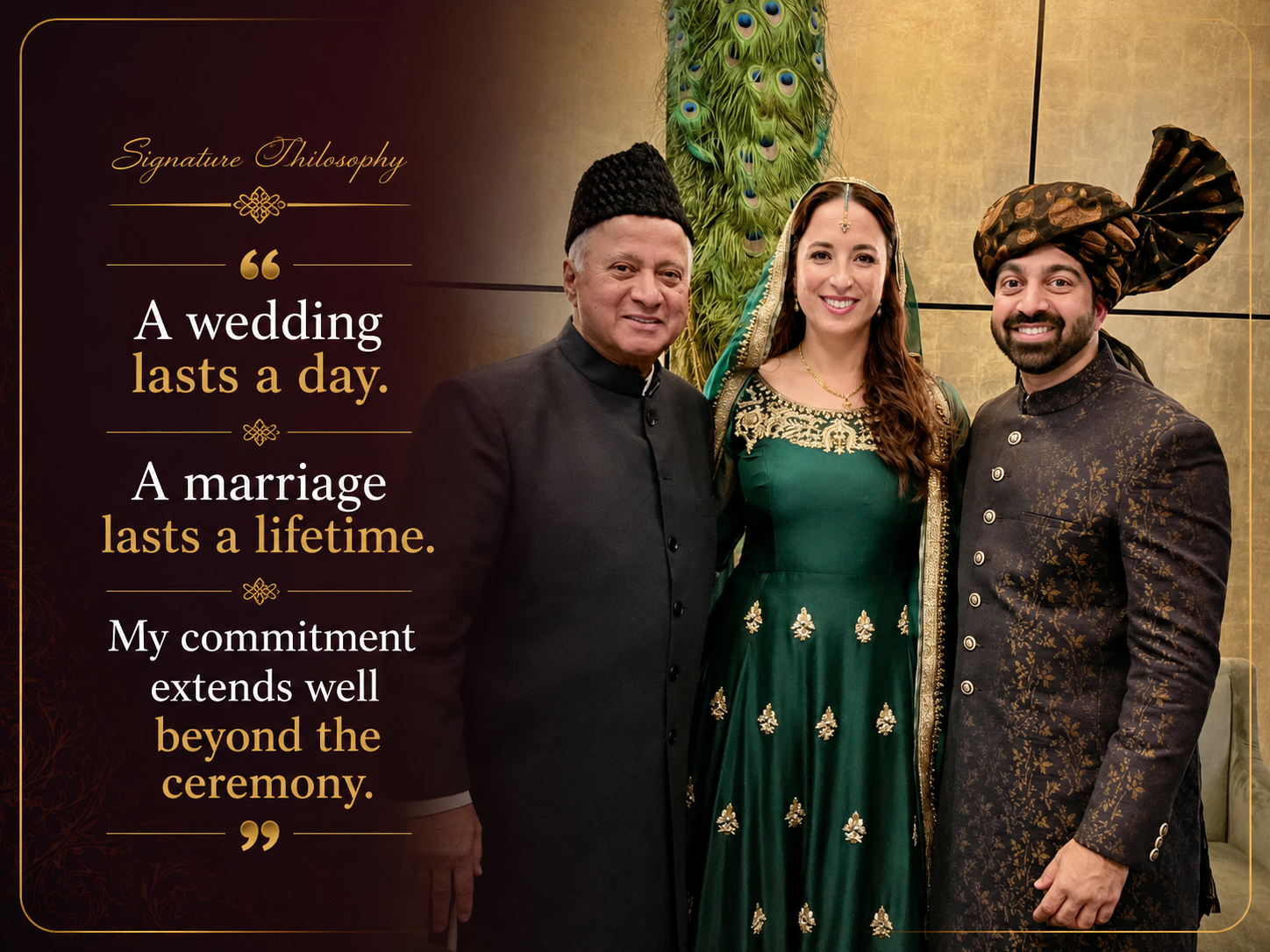
His goal is not only to help couples get married. It is to help them build a harmonious life.
Couples may need help deciding how to celebrate holidays, religious festivals, and family customs in ways that feel comfortable, balanced, and respectful.
Dr. Mike encourages listening, sincere apologies, forgiveness, and renewal when disagreements arise, especially around sensitive family or faith questions.
Raising children in an interfaith or multicultural home can bring meaningful questions about belonging, identity, values, language, and family continuity.
Dr. Mike makes it a point to connect with couples at least once a year on their anniversary and remains available when they need someone to talk to.
Real words
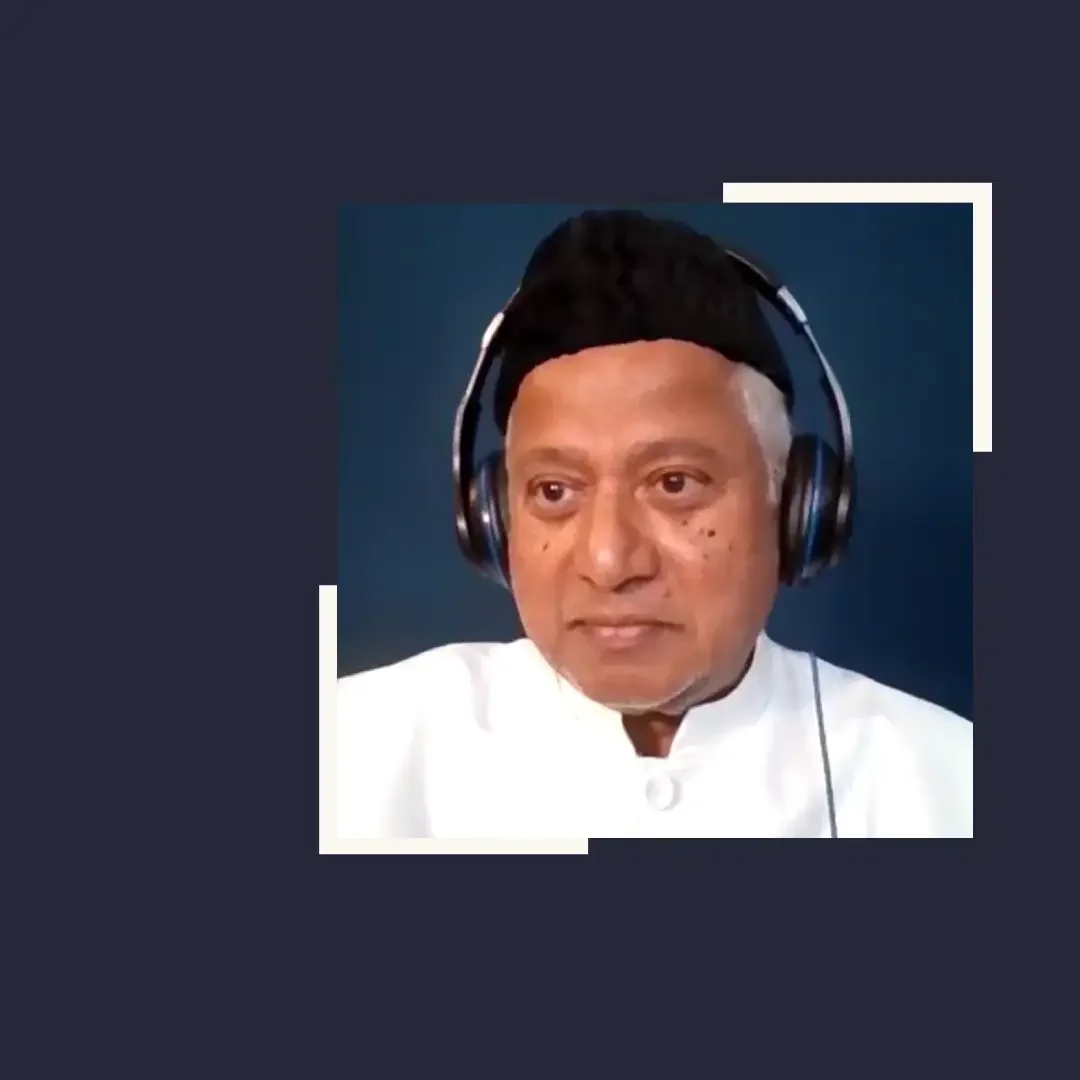
Beyond photographs are the voices of the people who lived the moment. Press play to hear personal reflections from couples and families whose celebrations Dr. Mike helped bring to life.
A personal reflection on the meaning, care and human presence surrounding a wedding celebration.
An honest remembrance, shared directly.
A couple looks back on the ceremony in their own words.
Recognized beyond the ceremony
The confidence couples place in Dr. Mike has been echoed through independent reviews, professional recognition and stories carried by respected publications.
 ↗
↗
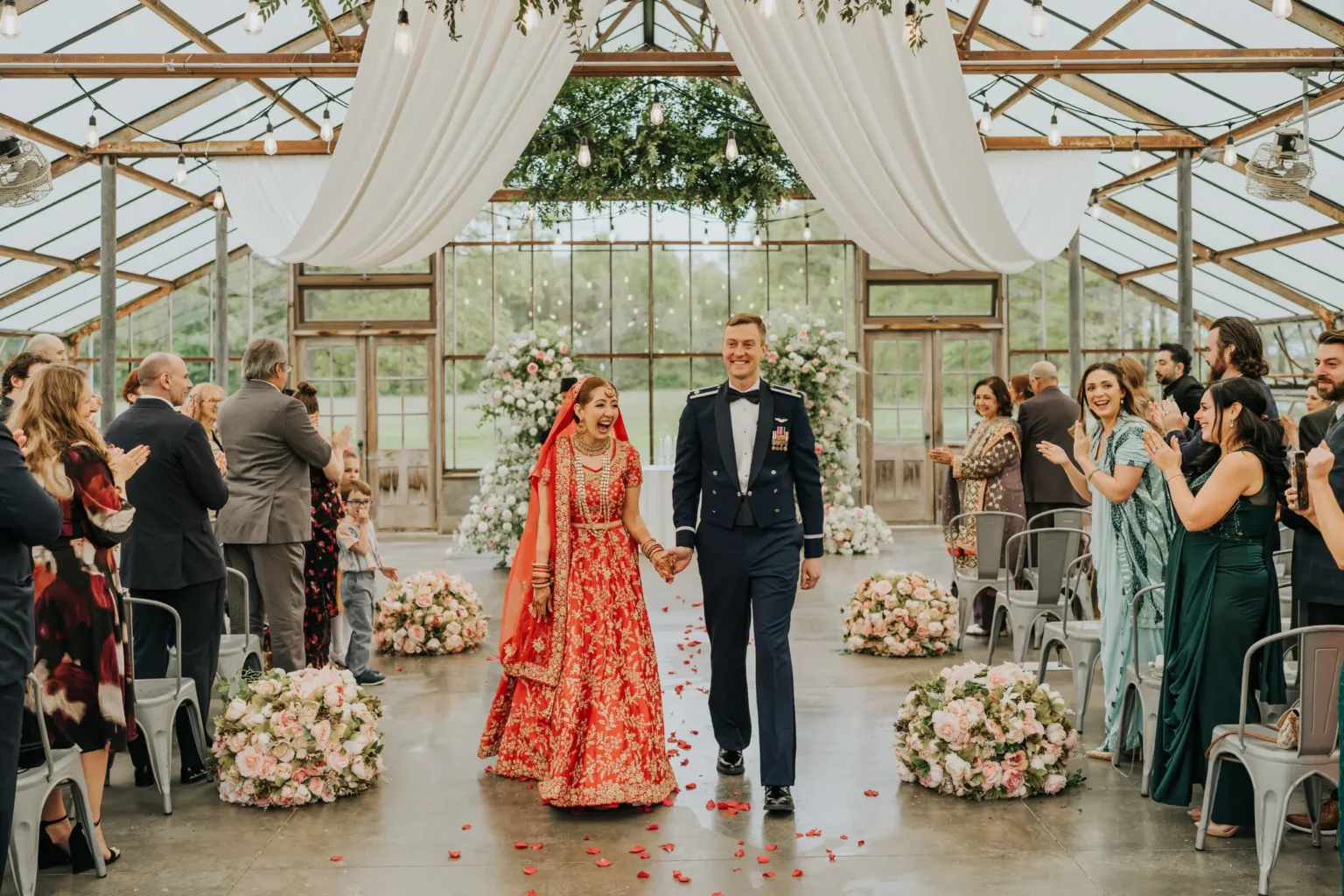
Mariam Khan and Maj. Phillip McCoy’s wedding story, covered in the publication’s Vows section.
 ↗
↗
Interfaith Marriages was recognized for quality, service, responsiveness and professionalism reviewed by couples.
 ↗
↗
A profile of the life, philosophy and public work behind the officiant.
 ↗
↗
Read verified reflections on personalization, inclusion, warmth, flexibility and professionalism.
 ↗
↗
A professional profile of Dr. Mike’s ceremony work, family consultations and marriage coaching.