

Moving from passive acceptance to active respect in everyday life
By Dr. Mike Mohamed Ghouse
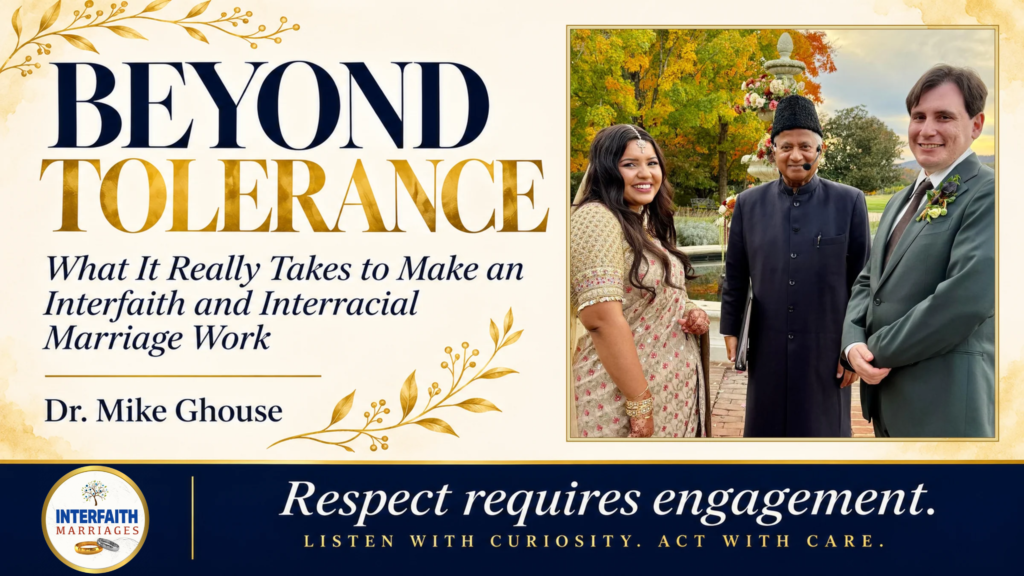
I often use a football analogy to illustrate my point. A running back’s sole focus is to carry the ball to the end zone for a touchdown; nothing else matters to him except achieving that goal. Even if he is pulled back while running toward the end zone, he will get up and run again, repeating to himself, “End Zone, End Zone, End Zone.”
Similarly, I advise couples to continually recite the phrase, “Harmony, harmony, and harmony,” regardless of distractions or attempts to create disharmony. By maintaining this mantra, they can persevere and live in peace and tranquility.
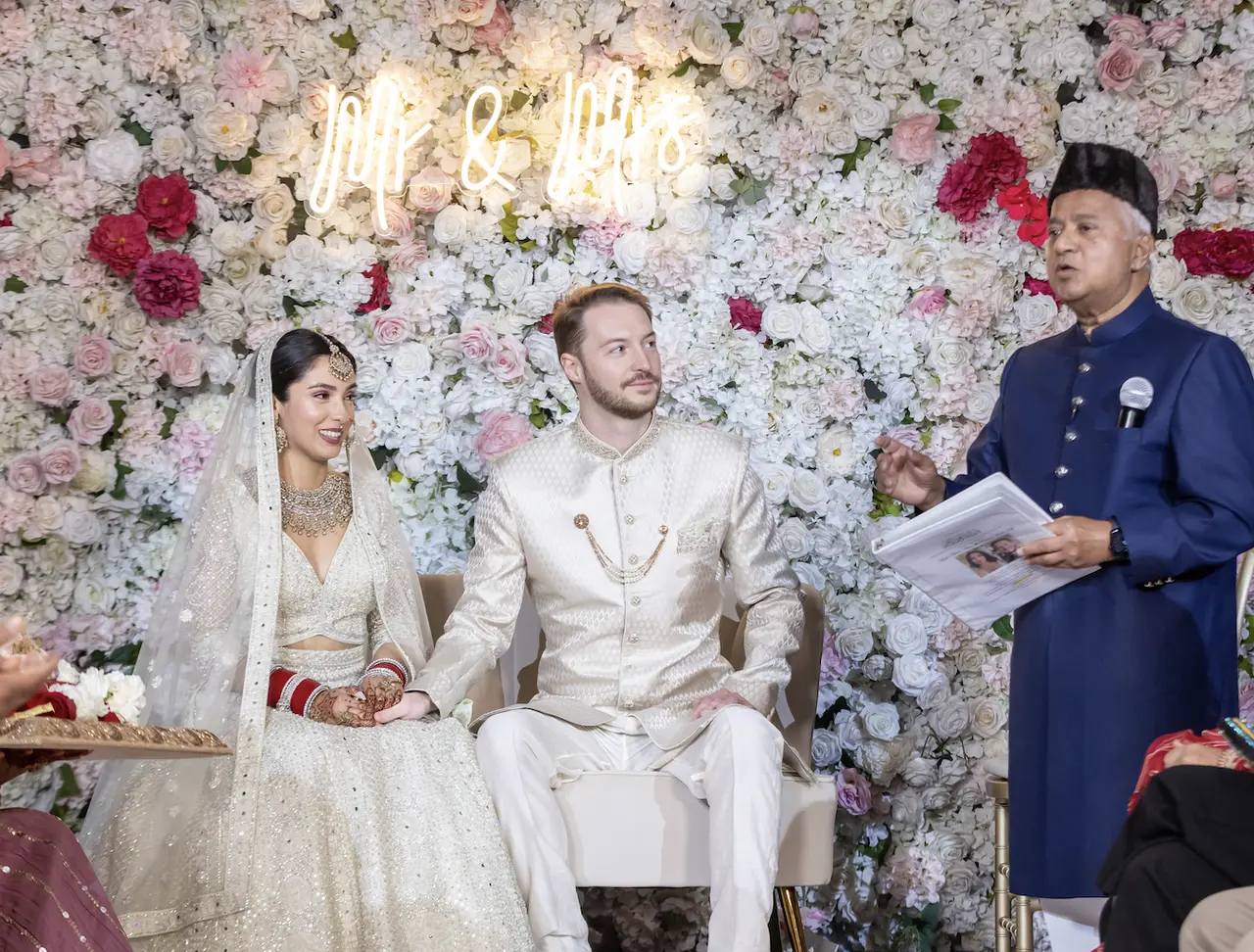
Making Room for Each Other in Everyday Life
It may begin with a holiday invitation. One partner wants to spend the day with family; the other has already made different plans. A familiar disagreement follows. Beneath the calendar, however, a more personal question is waiting: does the life we are building have room for what matters to me?
In an interfaith marriage, that question can surface at the dinner table, during a conversation about children, or when a parent makes an uncomfortable remark. A couple may love each other deeply and still need to learn how to respond when their different backgrounds become part of a decision.
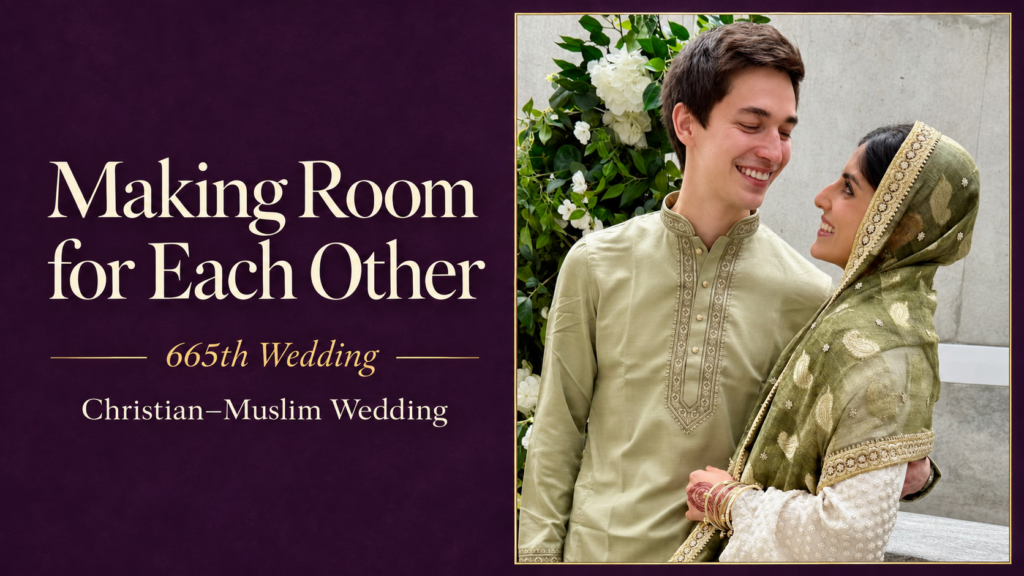
In the first article in this series, Interfaith Marriage Is Not a Compromise, It’s a Higher Form of Commitment, we explored the responsibility of loving someone without asking them to surrender their identity. Here, I want to take that commitment into the home. What does it ask of us on an ordinary day, especially when understanding takes effort?
Tolerance is a beginning. A lasting partnership asks us to go further: to understand what gives the other person a sense of belonging, and to care about how our choices affect it.
When acceptance still leaves someone feeling alone
There is a difference between allowing a partner to observe a tradition and helping them feel welcome while they do so. A person may be free to celebrate a holiday yet feel that the preparations, explanations, and emotional significance belong entirely to them. Their spouse offers no objection, but little interest either.
Over time, that distance can become painful. The concern may have less to do with a particular ritual than with having to carry an important part of life alone.
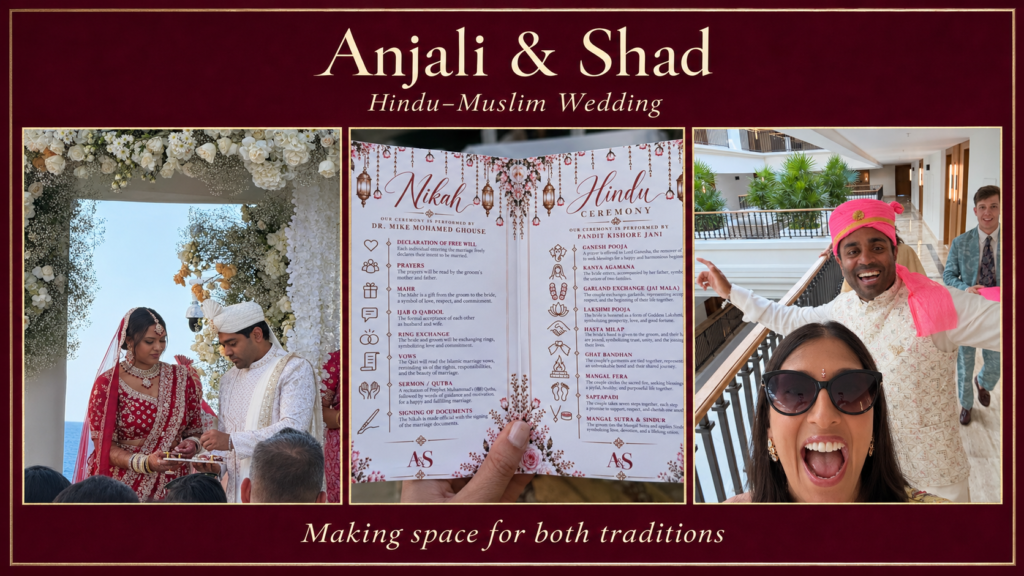
Active respect begins with a question: what does this mean to you? The answer may involve prayer, a childhood memory, gratitude to a parent, or a connection to relatives far away. Knowing the religious label does not tell us the whole story. Even two people raised in the same faith may understand its place in their lives differently.
A spouse need not adopt a belief to take its significance seriously. They can listen, help make arrangements, and ask what kind of involvement would feel supportive. The person observing the tradition can also explain its meaning without assuming that love should make every need obvious.
Experience should deepen curiosity
My year-end wedding figures list 680 ceremonies involving couples from 103 ethnicities across 87 cities, including 25 destination weddings and 35 virtual ceremonies. This work includes interfaith, intercultural, interracial, civil, secular, Muslim Nikah, and Nikah Plus and other ceremonies.
The breadth of those backgrounds reinforces a principle central to my approach: individuals marry one another, Religious and cultural identities matter, but they cannot tell us everything about the people before us. A familiar combination of traditions still requires a fresh conversation with a particular couple.

That principle matters just as much after the ceremony. A partner is the person who can explain what their faith means to them. Their family’s expectations may differ from their own. Something they once practiced casually may become important after a bereavement or the birth of a child.
Curiosity gives a marriage room to respond to those changes. It also prevents experience from becoming an excuse to stop listening.
Give respect something practical to do
Consider a partner who is fasting. Support might mean discussing meal times, adjusting an evening plan, or making space for rest. The useful response depends on what that person actually needs. Some welcome company at the evening meal; others would value help with preparations. Asking is more reliable than guessing.
The same care belongs in a shared kitchen. Food may involve religious commitments, health needs, family habits, or all three. Before hosting relatives, a couple can agree on ingredients and preparation rather than discovering a disagreement while guests are waiting to eat.
Holiday planning benefits from the same attention. Who will travel? Who will host? Which celebration requires time away from work? Whose family has been accommodating the schedule, and has that effort been acknowledged? Fairness includes the work of planning, cooking, explaining customs, and making relatives feel welcome.
These everyday choices make respect visible. A partner experiences care through what we remember and do, as well as through what we say.
Make participation an invitation
A person may feel comfortable attending a family celebration while remaining uncomfortable reciting a statement of belief. Another may gladly help prepare a meal but prefer not to take part in a particular ritual. These distinctions deserve a calm conversation before the occasion arrives.
Partners can ask what participation involves, which elements are essential, and whether there is another meaningful way to show support. A sincere boundary should not become a public test of love. Nor should a partner’s reluctance be interpreted without giving them the opportunity to explain it.

Welcoming someone into a tradition carries a responsibility to explain it without pressure. Entering a partner’s world carries a responsibility to approach unfamiliar practices with courtesy. Both people should be able to speak honestly about conscience.
This is what I mean by respecting the otherness of the other. We can remain close while acknowledging a difference that neither person wishes to erase.
Stand together when family expectations become difficult
An interfaith marriage often joins families whose hopes for the wedding and the future have developed over many years. Parents may fear losing a tradition or a place in their children’s lives. Listening to that fear can open a conversation that an argument about who is right cannot.
Understanding a concern, however, does not settle every request. A couple still needs to decide which choices belong to them. Conversion, the ceremony, and a child’s upbringing should be discussed honestly between the partners before either makes promises to relatives.
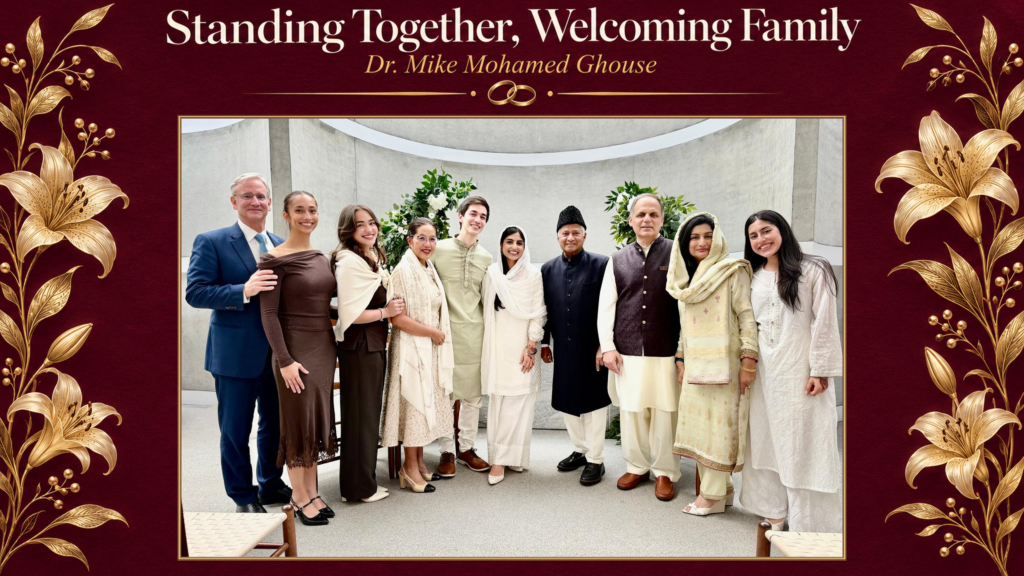
It helps to agree privately on how to respond. If a relative repeatedly questions one partner’s faith, the other can speak with their own family rather than leaving their spouse to defend their belonging alone. A response can be courteous and clear: we understand that this matters to you; this is the decision we have made together.
Goodwill has room to grow when families receive explanations, opportunities to participate, and time to become familiar with one another. A couple can welcome that process while maintaining boundaries around pressure, ridicule, or exclusion. Patience should be shared, rather than demanded continually from the person receiving the hurt.

Talk about children before assumptions become promises
For couples who want children, a broad agreement to respect both backgrounds needs further conversation. What religious education do they envision? Which ceremonies might be important? What have grandparents been led to expect? How will the parents respond when a child asks why they believe or practice differently?
Different couples will reach different arrangements. Some choose one religious upbringing while teaching respect for the other parent’s tradition. Some create space for learning about both. Others take a secular approach. The arrangement needs to be understood and freely agreed upon by both parents, with room to revisit practical questions as family life develops.
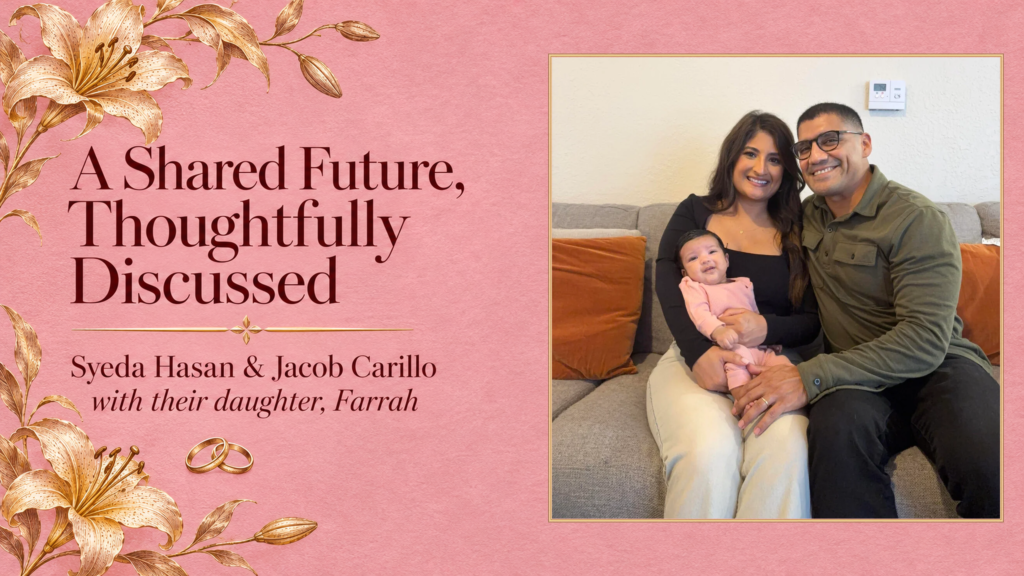
Naming, initiation ceremonies, worship, schooling, and visits with relatives can each carry expectations that remain hidden until someone asks directly. A child should not arrive into a set of competing promises made privately to different sides of the family.
Parents can also consider the language they will use at home. They can explain disagreement without belittling each other’s beliefs. A child deserves the freedom to ask questions without feeling responsible for proving loyalty to one parent or one branch of the family.
Keep disagreement specific enough to resolve
A disagreement becomes harder to repair when a particular action turns into a judgment about an entire identity. A missed family gathering is something a couple can discuss. An accusation that a spouse’s religion makes them uncaring burdens that conversation with an insult neither person can easily answer.
Start with what happened and why it hurt. Explain what would help next time. If a partner felt abandoned while hosting relatives, the discussion might concern preparation, time, or an agreement that was forgotten. Understanding the practical failure gives the couple something they can change.
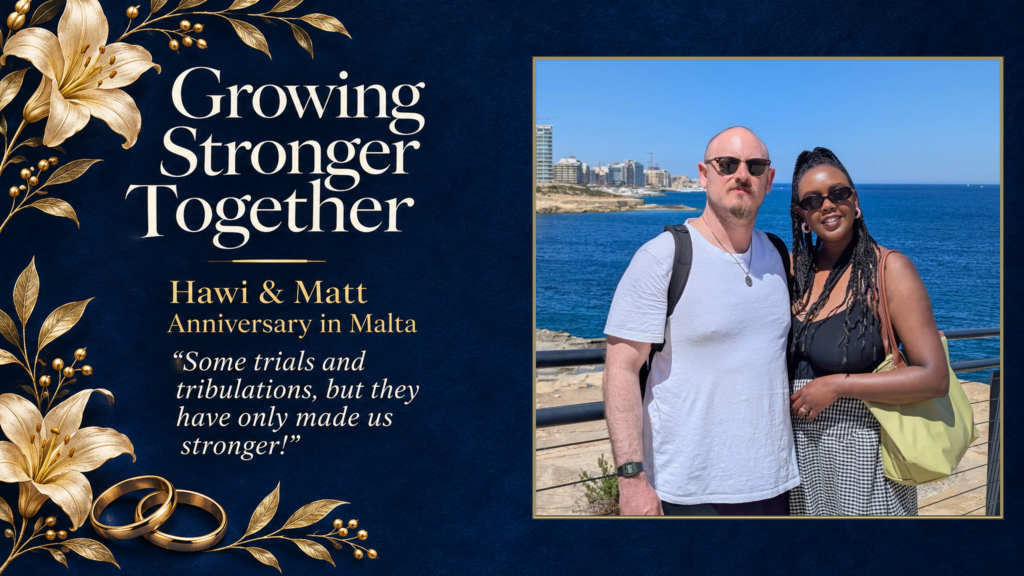
Listening requires allowing that explanation to finish. A partner may hear criticism where the other is trying to express loneliness. Asking what was most painful can reveal a concern that an immediate defense would miss.
Some differences remain substantial even after careful listening. A couple may need several conversations, outside guidance, or an honest examination of compatibility. Respect makes those conversations possible; it does not require either person to pretend that every disagreement has disappeared.
Return to the conversation and repair the hurt
There will be days when a careful conversation does not happen. Someone speaks sharply, withdraws, or dismisses a concern they should have heard. The next step matters.
An apology becomes more useful when it names the action and acknowledges its effect. Dismissing a partner’s holiday, for example, may have left them feeling that their family mattered less. Repair includes understanding that hurt and agreeing on what will happen differently at the next celebration.

If emotions are running high, taking a pause can help, provided both people know when the conversation will resume. A pause with a return time gives space to settle down. Leaving the subject unresolved indefinitely can create another source of distress.
In the anniversary messages I share with couples, I encourage attentive listening, sincere apologies, and a regular opportunity to renew goodwill. A quiet conversation after Sunday breakfast is one possibility. The particular day matters less than keeping time for one another before disappointments accumulate.
Let care carry the commitment through difficult days
The meaning of partnership becomes especially clear when ordinary life is interrupted. Illness, grief, or worry may change what a person needs from their spouse. Religious practices that once seemed secondary may offer comfort. A family custom may become important because it connects someone to a parent they have lost.
In my reflections, I have written about the care Fatima gave me after my open-heart surgery and how much her support meant during recovery. That experience belongs in any conversation about commitment. Being present when a partner needs help gives love a practical expression.
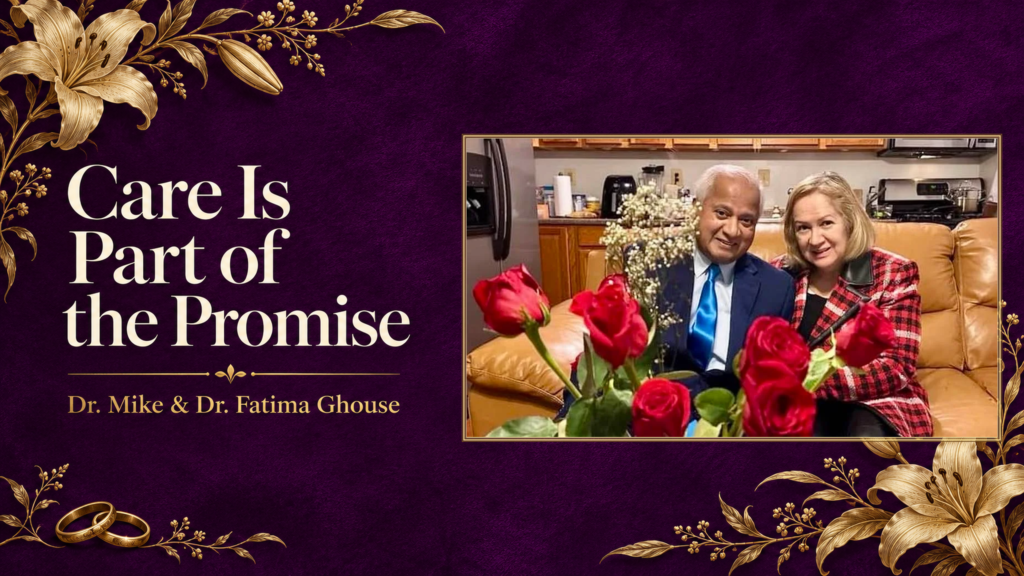
For an interfaith couple, such care can include asking whom a partner wants nearby, which prayers bring comfort, or how they wish to observe a loss. These conversations deserve attention while both people can explain their wishes, rather than being left entirely to a moment of crisis.
The person we marry will encounter experiences we cannot predict. Continuing to learn how to care for them is part of the promise. I help couples resolve conflicts and start fresh each day.
Make pluralism a practice within the home
My work in pluralism is grounded in the hope that every person can feel secure in who they are while living respectfully with others. Marriage gives that hope a very personal setting. It asks whether the person closest to us can speak openly, keep their dignity, and trust us with what matters to them.
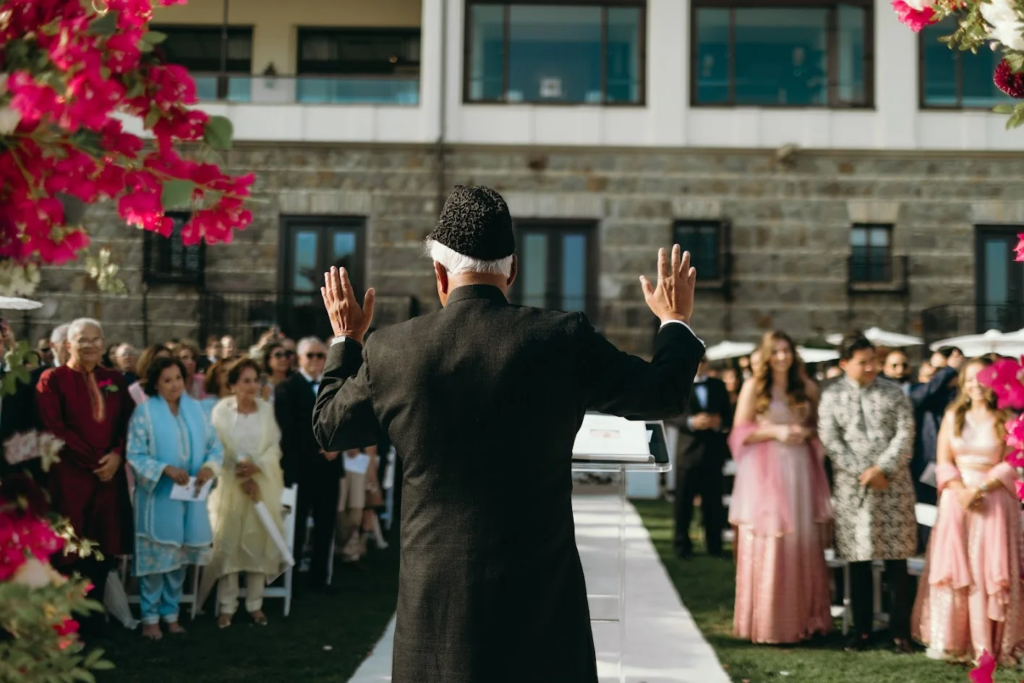
Interfaith couples do not become thoughtful communicators automatically. Like other couples, they develop habits through attention and practice. Their differences can invite valuable conversations, but both partners have to be willing to take part.
One useful place to begin is with a question: is there anything important to you that we have been making too little room for? Listen to the answer. Explain your own needs as clearly. Then choose a practical step you can take together.
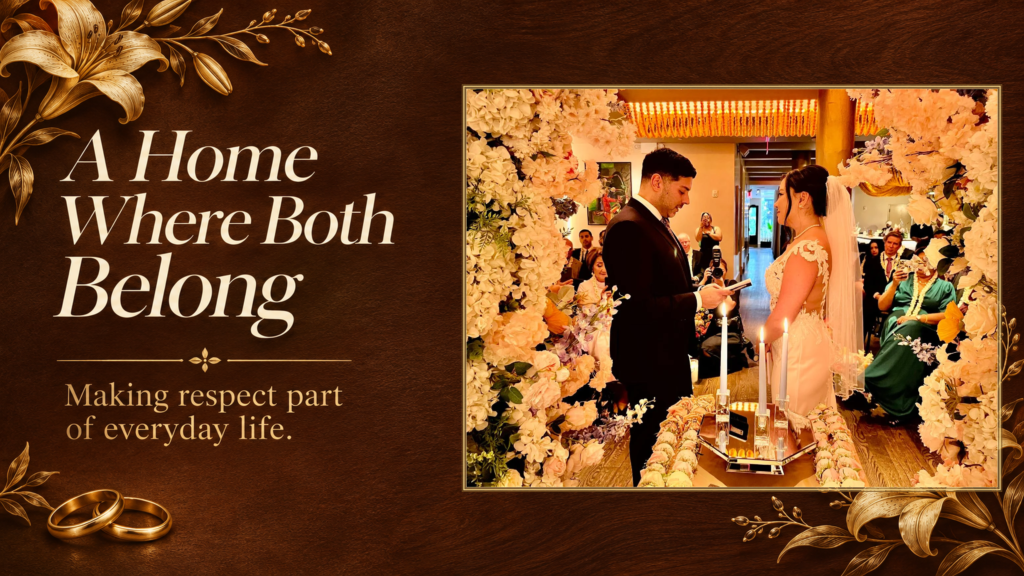
Over time, those steps shape the home. A tradition receives care. A difficult conversation becomes possible. A hurt is acknowledged before it hardens into distance. Each person has more reason to trust that their place in the marriage is secure.
That is how a marriage moves beyond tolerance: through the daily responsibility of making respect something both people can experience.
About the Officiant
Dr. Mike Mohamed Ghouse has officiated 670+ weddings involving couples from 103 ethnicities, including interfaith, intercultural, interracial, civil, secular, Muslim Nikah, Nikah Plus, destination, and virtual ceremonies. He helps couples navigate love, identity, family expectations, and cultural differences through attentive listening and a pluralistic approach to marriage.
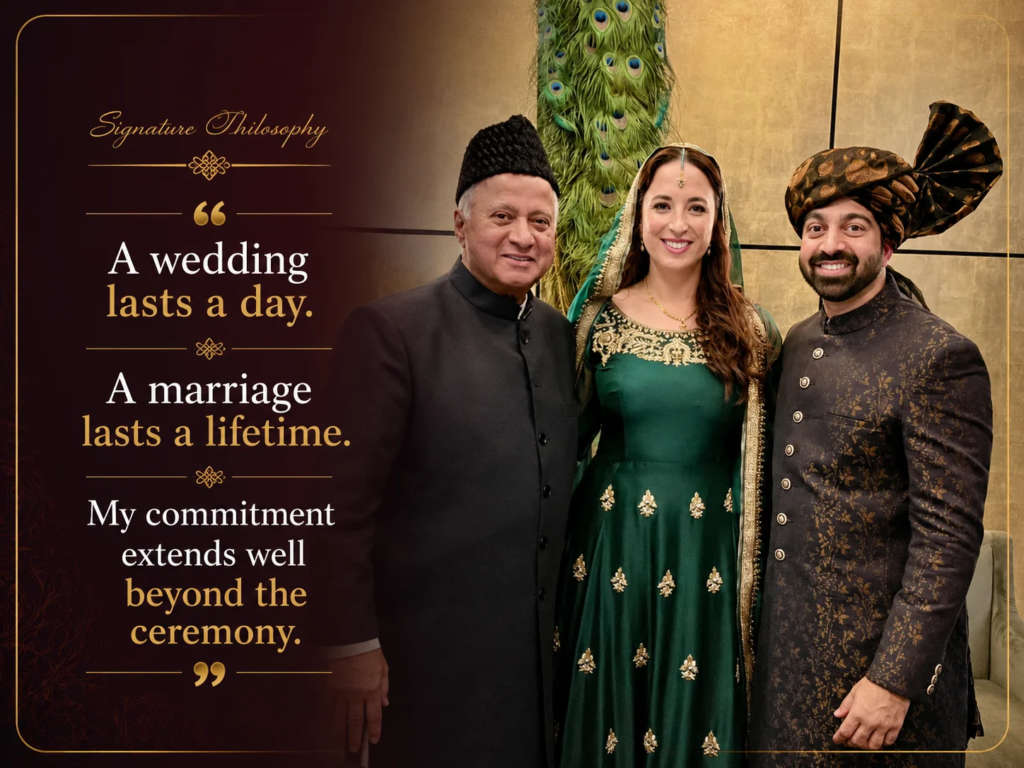
Dr. Ghouse is the President and founder of the Center for Pluralism and director of the World Muslim Congress. He is an Interfaith Wedding Officiant for InterfaithMarriages.org and a Muslim Wedding Officiant. He is a Muslim, Pluralist, activist, speaker, author, and social scientist. He is also a member and supporter of Muslims for Progressive Values (MPVUSA). More on Google
Further Reading About Dr. Mike Mohamed Ghouse
1. New York Times on a Wedding Officiated by Mike Ghouse: on a wedding I officiated
2. Mr. Pluralist of America – Mr. Pluralist of America
3. A Heart that connects – A Lamp that connects hearts
4. Mission Accomplished – Mission Accomplished Dallas-Washington-Dallas
5. Background of Mike Ghouse Background of Mike Ghouse
6. America’s New Frontier: America’s new frontier for the next 250 years
7. More at https://interfaithmarriages.org/about-mike-ghouse/